

Honey Mead Explained: Ingredients, Fermentation and Serving
Learn what honey mead is, its three basic ingredients, fermentation timeline and how to serve it. A beginner's guide to this traditional honey wine.
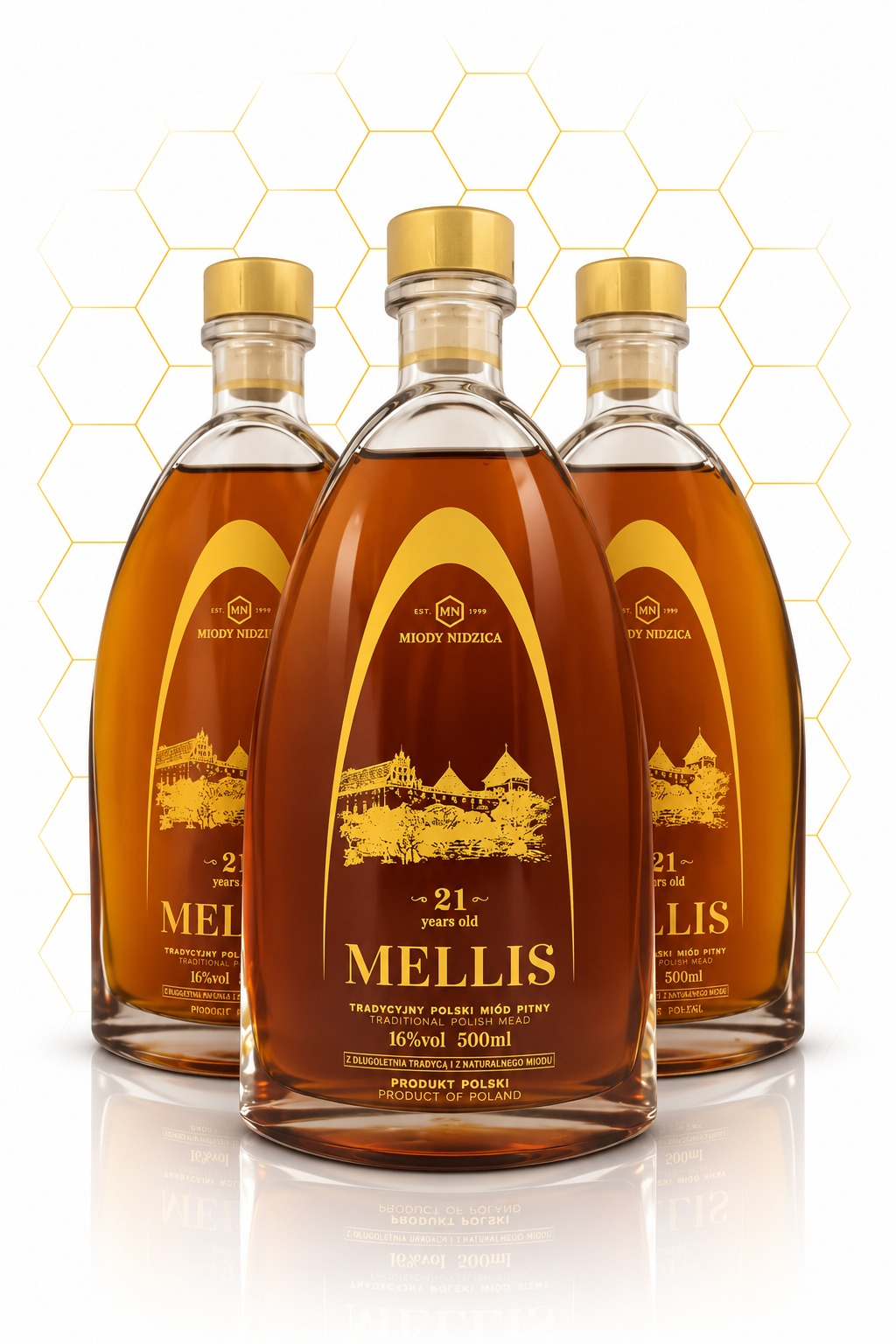
A neighbour hands you a bottle of something golden, says it's homemade, and you wonder what's actually in it.
is an alcoholic drink made from honey, water and yeast, usually between 8% and 18% alcohol by volume. Sweet Honey Co. stocks honey mead alongside its Polish raw honey range, so you can try a finished bottle before deciding whether to brew your own.
What is honey mead?
In its simplest form, mead is fermented diluted honey and nothing else. Wine comes from grapes and beer from grain, but here the honey sets the character. Three ingredients, then, and a good deal of patience.
- Choose your honey: it makes all the difference
Heather honey gives a full-bodied, earthy mead. Acacia is lighter, floral and gently honeyed. Buckwheat heads the other way, with dark, molasses-like depth, and it's not for everyone.
The honey you pick shapes the finished drink, so it's worth tasting a few before you commit to a batch. Wildflower and blended UK honeys bring more complexity but less predictability, which suits brewers who like a surprise. We'd steer you towards raw bee honey for a first batch. If you're looking for raw honey in the UK, check the label says unpasteurised.
2. Fermentation takes patience
Plan for months. Primary fermentation can run to several months, depending on the honey, the yeast strain and the must, and maturing before bottling takes more time on top.
Pick a stable spot indoors, away from draughts and direct sun, because Britain's cool temperatures can slow things down. Autumn or winter suits many home brewers. Longer ageing softens harsh notes and lets the flavours settle.
3. Temperature and serving style transform the drink
Serve the same bottle three ways and you'll taste three drinks.
Chilled: dry mead is crisp and wine-like, while sweet mead turns dessert-like. Good for summer.
Room temperature: the honey and yeast character come through, so this suits slow sipping.
Warm: mulled with cinnamon, cloves and star anise, it's a proper British winter ritual.
What you need to get started
You need good bee honey, water and yeast. Use filtered water if your tap water has a strong taste, and ask at a homebrew shop for a wine yeast suited to mead.
A demijohn or food-grade bucket, an airlock, a funnel, a hydrometer and a siphon make life easier. Yeast nutrient and citric acid help but aren't essential for a simple batch. Once you're confident, try fruit (melomel) or spices (metheglin).
Get your honey mead started
Sweet Honey Co. supplies raw Polish honey and honey mead across England, Scotland and Wales. Call +44 7735565882 or use the contact page to ask about the range.
Frequently Asked Questions
Can I make mead without special equipment?
Yes, a clean demijohn or food-grade bucket, an airlock and a funnel will do. A hydrometer and siphon are helpful extras.
Why does mead take longer to ferment than beer or wine?
It often does, taking several months. The exact time depends on the honey type, the yeast strain and the composition of the must, so a patient approach pays off.
What is the difference between sweet and dry mead?
Dry mead has little sugar left after fermentation and tastes crisp, like wine. Sweet mead keeps more residual sugar and drinks like a dessert wine.
What is metheglin and how is it different from traditional mead?
Metheglin is mead flavoured with spices or herbs. Traditional mead uses just honey, water and yeast.

Acacia stays liquid for a long time, and its flavour is gentle. That makes this mild organic acacia easy to whisk into dressings and thin batters without gumminess. Darker honeys announce themselves. Acacia lets white tea, a light sponge or goat's cheese keep the flavour you've worked to build.













Comments (0)