

Heart Rhythm Clinic Abu Dhabi: Expert Care for Heart Rhythm Disorders
Early evaluation can help identify the cause and determine suitable treatment options. Visiting a Heart Rhythm Clinic Abu Dhabi can help patients receive specialised assessment and guidance for managing different cardiac electrical conditions.

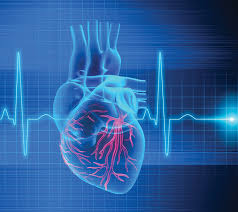
The heart depends on a coordinated electrical system to maintain a steady heartbeat and circulate blood throughout the body. When these electrical signals become disrupted, the heart may beat too quickly, too slowly or irregularly. Such disturbances are known as heart rhythm disorders or arrhythmias.
Symptoms such as palpitations, dizziness, breathlessness and unexplained fainting may indicate an underlying rhythm problem. Early evaluation can help identify the cause and determine suitable treatment options. Visiting a Heart Rhythm Clinic Abu Dhabi can help patients receive specialised assessment and guidance for managing different cardiac electrical conditions.
What Is Cardiac Electrophysiology?
Cardiac electrophysiology is a specialised field of cardiology that focuses on the electrical activities of the heart. It involves diagnosing and managing conditions that affect the speed, regularity and coordination of the heartbeat.
A cardiac electrophysiologist evaluates the heart's electrical pathways to identify abnormalities that may cause irregular rhythms. Depending on the diagnosis, management may involve medication, lifestyle guidance, device-based treatment or specialised procedures.
At a Heart Rhythm Clinic Abu Dhabi, patients can receive an individualised evaluation based on their symptoms, medical history and diagnostic findings. The objective is to identify the underlying rhythm disturbance and develop an appropriate care plan.
Common Heart Rhythm Disorders
Several conditions can affect the heart's electrical system. Some may cause occasional symptoms, while others require regular monitoring and specialist management.
1. Atrial Fibrillation (AFib)
Atrial fibrillation is a common heart rhythm disorder in which the upper chambers of the heart beat irregularly. It may cause palpitations, fatigue, breathlessness and dizziness. AFib can also increase the risk of stroke, making proper medical evaluation important.
2. Bradycardia
Bradycardia refers to an unusually slow heart rate. It may cause weakness, tiredness, dizziness or fainting when the heart cannot maintain adequate blood circulation.
3. Supraventricular Tachycardia (SVT)
SVT involves episodes of an abnormally fast heartbeat originating above the heart's ventricles. Patients may experience sudden racing heartbeats, chest discomfort or light-headedness.
4. Heart Palpitations
Palpitations are sensations of fluttering, pounding or racing in the chest. They can occur due to stress, caffeine, medications or underlying electrical problems. Persistent or unexplained palpitations should be medically assessed.
Warning Signs That Should Not Be Ignored
Heart rhythm disorders do not always produce noticeable symptoms. However, certain warning signs may indicate the need for specialist evaluation.
Common symptoms include:
-
Sudden or recurring episodes of a racing heartbeat.
-
Fluttering or pounding sensations in the chest.
-
Unexplained dizziness or light-headedness.
-
Shortness of breath during routine activities.
-
Unusual fatigue or reduced exercise tolerance.
-
Episodes of fainting or near-fainting.
Severe chest pain, significant breathing difficulty or fainting requires urgent medical attention. Patients should not assume that symptoms are caused by stress without an appropriate medical assessment.
How Are Heart Rhythm Disorders Diagnosed?
Accurate diagnosis is essential for identifying the type of arrhythmia and determining suitable management. A specialist may recommend different investigations depending on the patient's symptoms and medical history.
Common diagnostic tests include:
-
Electrocardiogram (ECG): Records the heart's electrical activity and helps identify rhythm abnormalities.
-
Holter Monitoring: Uses a portable device to record heart rhythm continuously over an extended period, commonly 24 to 48 hours.
-
Event Monitoring: Records heart rhythm during episodes of symptoms over a longer monitoring period.
-
Echocardiogram: Uses ultrasound to assess the heart's structure and pumping function.
-
Exercise Stress Testing: Evaluates how the heart responds to physical activity when clinically appropriate.
These investigations help specialists understand the nature of the rhythm disturbance and decide whether additional evaluation or treatment is required.
Treatment Options for Heart Rhythm Conditions
Treatment depends on the type of arrhythmia, its severity and the patient's overall health. Not every rhythm disorder requires an invasive procedure.
Common management approaches include:
Medication: Certain medicines help control heart rate, maintain normal rhythm or reduce the risk of complications associated with specific arrhythmias.
Pacemaker Implantation: A pacemaker may be recommended for selected patients with symptomatic slow heart rhythms or certain electrical conduction disorders. It helps maintain an appropriate heart rate.
Catheter Ablation: This procedure uses specialised catheters to identify and treat targeted areas responsible for certain abnormal electrical signals. It may be suitable for conditions such as SVT and selected cases of atrial fibrillation.
Regular Monitoring: Some patients may benefit from periodic cardiac assessments and lifestyle modifications rather than immediate intervention.
A cardiac electrophysiologist determines the most appropriate approach after reviewing diagnostic results and individual treatment requirements.
Specialist Heart Rhythm Care at Bone Care One Day Surgery Center
Choosing an experienced specialist is important when managing electrical disorders of the heart. Patients should look for appropriate diagnostic facilities, specialist expertise and personalised treatment planning.
Bone Care One Day Surgery Center in Abu Dhabi has a dedicated electrophysiology department focused on evaluating and managing heart rhythm conditions. The department operates under the supervision of Dr. Moutaz El Kadri, Consultant Cardiologist and Electrophysiologist (MD, MSc, PhD, FRCP, FHRS).
Patients looking for a Heart Rhythm Clinic Abu Dhabi can explore the centre's electrophysiology services, which include the evaluation of palpitations, bradycardia, atrial fibrillation and supraventricular arrhythmias.
Visit Bone Care One Day Surgery Center to learn more about specialist services and arrange a consultation.
Frequently Asked Questions
1. What does a cardiac electrophysiologist treat?
A cardiac electrophysiologist specialises in diagnosing and managing electrical problems of the heart, including atrial fibrillation, SVT, bradycardia and other arrhythmias.
2. When should I visit a heart rhythm specialist?
You should consider a consultation if you experience recurring palpitations, unexplained dizziness, fainting or an unusually fast or slow heartbeat.
3. Are heart rhythm disorders dangerous?
Some arrhythmias are harmless, while others may increase the risk of complications such as stroke or heart failure. Their seriousness depends on the underlying condition.
4. Can stress cause irregular heartbeats?
Yes. Stress and anxiety can trigger palpitations or temporarily increase heart rate. However, recurring symptoms should be evaluated to rule out underlying cardiac problems.
5. Is an ECG enough to diagnose an arrhythmia?
An ECG can identify many rhythm abnormalities, but intermittent conditions may require Holter monitoring or longer-term heart rhythm recording.
6. Does every patient with arrhythmia need surgery?
No. Many rhythm disorders can be managed with medication, monitoring or lifestyle changes. Procedures are recommended only when clinically appropriate.
7. Can heart rhythm disorders be managed long-term?
Yes. Many patients can manage their conditions through appropriate treatment, regular monitoring and guidance from a cardiac specialist.
8. Where can I consult a heart rhythm specialist in Abu Dhabi?
Bone Care One Day Surgery Center offers electrophysiology services under Dr. Moutaz El Kadri. Patients can contact the centre to arrange a specialist consultation.
Conclusion
Heart rhythm disorders can affect daily activities, physical well-being and overall cardiac health. Recognising symptoms and obtaining an accurate diagnosis are important steps towards appropriate management.
Consulting a specialist at a Heart Rhythm Clinic Abu Dhabi can help patients understand their condition, explore available treatment options and receive an individualised care plan. With proper evaluation, specialist guidance and regular follow-up, many heart rhythm conditions can be effectively managed.












Comments (0)