

Salt Air and Heat Pumps: Protecting Outdoor Units in Coastal Cape Cod Homes
Protect coastal equipment with practical advice for salt-air maintenance, outdoor unit placement, rinsing, corrosion checks, and seasonal care for heat pumps in coastal homes
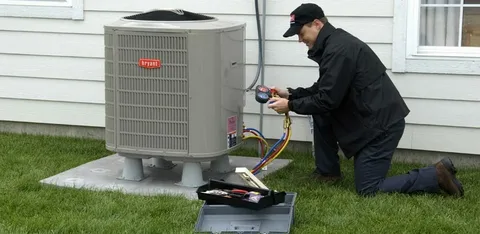
An outdoor heat pump can keep a Cape Cod home comfortable, but the unit faces a harsh mix of salt, wind, rain, and summer heat. The most useful protection starts with airflow, careful placement, and regular rinsing rather than a tight cover that traps moisture. Blue Pacific Cape Cod can be one local point of contact when a homeowner needs system questions checked against the property and equipment. For that reason, heat pumps in coastal homes need a maintenance plan that treats salt exposure as a year-round concern, not a problem that begins only when heating season arrives.
Key Takeaways
-
Salt residue can damage coil fins, fasteners, cabinets, and electrical connections.
-
A clean, open area around the outdoor unit supports airflow and easier inspection.
-
Gentle rinsing can remove deposits, but pressure washing may bend delicate fins.
-
Covers should not block an operating heat pump or trap damp air around it.
-
A technician should check corrosion, drainage, wiring, and refrigerant lines before small issues grow.
Why Salt Air Is Hard on Outdoor Equipment
Salt air carries tiny chloride particles that can settle on the outdoor condenser. Wind may push those particles into coil fins, cabinet seams, screws, and electrical connection points. When moisture remains on the surface, the salt can help corrosion start. Aluminum fins may become rough or pitted, while steel fasteners can rust and make later repairs harder.
The outdoor coil also has to move heat through many thin metal fins. Salt buildup, leaves, lint, and dirt can reduce the open space between those fins. The heat pump may then work harder to move heat, and a blocked coil may make heating or cooling less steady. A dirty coil can also make it harder for the system to complete a normal defrost cycle in cold weather.
Marine exposure varies from one property to another, particularly for heat pumps in coastal homes. A home facing open water, a beach, or a windy inlet may receive more salt spray than a property farther inland. A unit installed beneath a roof edge may collect dripping water, while equipment near a sprinkler system may develop mineral deposits that contribute to surface corrosion. The right maintenance plan should account for the equipment's exact location, surrounding conditions, and exposure to moisture rather than relying on distance from the shoreline alone.
How Heat Pumps in Coastal Homes Handle Salt Exposure
A homeowner may first notice a pale crust on the cabinet, dark spots on the coil, or rust around the service panel. These signs do not always mean the system has failed, but they deserve attention. Corrosion often begins in places that are easy to miss, such as the back side of the coil or the fasteners beneath the top grille.
Warning Signs Worth Checking
-
White, gray, or green residue on metal surfaces or coil fins.
-
Bent fins, dark patches, flaking paint, or rust around fasteners.
-
Repeated ice buildup, weak airflow, or unusual changes in operating sound.
-
Water collecting near the pad or dripping onto the unit from above.
A seasonal homeowner may return after several weeks and find that the system still runs but looks heavily stained. That is a useful time for inspection, not a reason to spray the equipment with a pressure washer. A system can continue to operate while corrosion is slowly affecting heat transfer or electrical parts.
Build a Maintenance Plan for Coastal Equipment
A Cape Cod heat pump maintenance routine should match the property’s exposure, occupancy, and equipment instructions. A home occupied all year may receive regular visual checks, while a seasonal home may need a caretaker or service visit after major storms and before the owners return. The goal is to spot deposits and blocked airflow before the unit has to work through a demanding heating or cooling period.
Rinsing can help remove loose salt and dirt, but it should be done carefully. The system should be turned off according to the manufacturer’s instructions, and a gentle clean-water rinse is safer than a high-pressure spray. Pressure can bend coil fins, force water into electrical areas, or push dirt deeper into the coil. A service professional can clean stubborn buildup without damaging the coil surface.
-
Look over the coil, grille, cabinet, pad, and fasteners during regular property checks.
-
Keep grass, leaves, beach debris, and stored items away from the unit.
-
Check that condensate water can drain away without pooling around the base.
-
Arrange a professional inspection when corrosion, ice, noise, or electrical problems appear.
Indoor parts matter as well. A clogged indoor filter can restrict airflow and make the outdoor unit work harder, even when the condenser looks clean. The thermostat, air handler, drain line, and refrigerant lines all affect how the system operates. Coastal care should therefore include the full heat pump system, not only the visible outdoor cabinet.
Protect Placement, Airflow, and Drainage
Good placement can reduce the amount of salt, splash, and debris that reaches the outdoor unit. The equipment should sit on a stable pad with enough clearance for airflow and service access. Site conditions may call for an elevated installation, especially where standing water or heavy runoff is a concern. The final height and location should follow equipment instructions and applicable local requirements.
For many properties, coastal HVAC care in Massachusetts starts with checking the space around the unit. Shrubs, fences, decks, and storage boxes can block air or make corrosion harder to see. A unit should not sit directly below a roof drip edge, beside a regularly used sprinkler, or in a low spot where water remains after rain. Clear space also gives a technician room to inspect wiring and clean the coil safely.
A protective coating may be an option for some equipment, but it is not a universal answer. The coating must be compatible with the coil and approved for the application. A thick or poorly applied product can interfere with heat transfer, cover damage, or complicate future repairs. A homeowner considering a coating should ask what surface will be treated, how the product affects the warranty, and how the unit will be cleaned later.
-
Compare wind, spray, drainage, and shade conditions before choosing a new location.
-
Confirm the manufacturer’s clearance needs on every side of the outdoor unit.
-
Check whether the pad remains stable after heavy rain, frost, and seasonal ground movement.
-
Ask for a written explanation of any coating, relocation, or corrosion repair.
A tight winter cover is another common concern. A heat pump that operates during cold weather needs open airflow, so a cover left in place can block the fan and trap moisture. If the equipment will be shut down for an extended period, only a cover allowed by the manufacturer should be considered, and it should be removed before operation resumes.
Common Mistakes That Shorten Equipment Life
One mistake is waiting for visible rust before arranging service. Salt damage may be developing on the hidden side of a coil or inside a connection box before it becomes obvious. Another mistake is assuming rain will wash away all residue. Rain may remove loose material, but wind-driven spray and dried deposits can remain in seams and on fins.
Homeowners also sometimes use household cleaners, bleach, or strong degreasers on the coil. These products may damage metal or leave residue that attracts more dirt. Clean water and equipment-approved products are safer choices. The service manual should be checked before any cleaning method is used.
Choosing and maintaining heat pumps in coastal homes also requires attention to the system’s age and condition. A newer unit with early surface staining may need cleaning and better drainage. An older unit with widespread pitting, damaged fins, and corroded electrical parts may need a careful repair comparison before more money is spent. A professional can explain whether the problem is cosmetic, limits performance, or creates a safety concern.
Choosing the Next Maintenance Step
The first decision is whether the issue is simple buildup or a sign of deeper damage. A homeowner can document the unit’s location, take clear pictures of residue or rust, and note changes in noise, airflow, or ice formation. Those details help a technician understand whether the problem may involve the coil, fan, controls, drainage, or electrical system.
The next step should also account for the property’s use. A full-time home may benefit from routine visual checks, while a vacation home may need scheduled visits between stays. Before hiring a professional, the property owner should ask whether the inspection includes the outdoor coil, electrical connections, pad, drainage, indoor filter, and refrigerant lines. They should also ask which cleaning products and protective measures fit the specific equipment.
Frequently Asked Questions
Can Salt Air Damage a Heat Pump That Still Runs Normally?
Yes. A heat pump can continue to heat and cool while salt residue slowly affects coil fins, screws, wiring, or cabinet seams. Normal operation does not rule out early corrosion, so visible deposits and staining should still be checked.
How Often Should a Coastal Outdoor Unit Be Rinsed?
There is no single schedule for every property. Homes exposed to frequent spray may need more frequent visual checks and gentle rinsing than homes farther from open water. The equipment manual and a technician’s advice should determine the safe method and timing.
Should an Outdoor Heat Pump Be Covered During Winter?
Not while it is operating. A cover can block airflow and hold moisture against the cabinet. If the system is shut down for a long period, the manufacturer’s instructions should be followed, and any approved cover must be removed before the unit runs.
Do Anti-Corrosion Coatings Stop Salt Damage?
They may offer added protection for some systems, but they do not eliminate the need for cleaning and inspection. Compatibility, application quality, coil airflow, and warranty terms should all be reviewed before a coating is applied.
Does Outdoor Unit Placement Really Affect Corrosion?
Yes. Wind direction, roof runoff, sprinkler spray, standing water, and blocked airflow can all change the unit’s exposure. A location with good drainage and service clearance is usually easier to maintain than a cramped or constantly damp location.
When Should a Professional Inspect a Coastal Heat Pump?
An inspection is appropriate when the unit shows rust, pitting, repeated icing, unusual sounds, weak airflow, or electrical interruptions. It is also useful before a major repair or when a seasonal property is being prepared for extended occupancy.
Closing Thoughts
Salt air does not make outdoor heat pump equipment impossible to maintain, but it does change the level of care the system needs. Clean airflow, sound drainage, gentle rinsing, suitable placement, and timely inspections can help a property owner make better repair decisions. The most useful plan is one based on actual exposure and equipment instructions rather than a one-size-fits-all routine.
Plan the Next Inspection
Before the next heating or cooling season, a homeowner can arrange an outdoor-unit check with a qualified HVAC professional. The visit should cover salt buildup, coil condition, electrical connections, drainage, mounting height, airflow, and any signs of corrosion. They should also ask which rinsing method, coating, cover, and service schedule fit the equipment warranty. Early planning gives the property owner time to correct placement or maintenance issues before a coastal storm or seasonal change exposes a weakness in the system.

Hi, I’m Freya Parker, an automotive expert focused on helping car owners make smarter decisions when selling their vehicles. I specialise in breaking down the car-selling process in a simple, practical way from understanding your car’s real value to reading market trends and spotting the right time to sell. My goal is to give you clear, honest guidance so you can confidently get the best possible price for your car without confusion or stress. Whether you’re selling for the first time or just want a better deal, I’m here to make the process straightforward, transparent, and rewarding












Comments (0)