

Best Halal Verification Scanners for Food, E-Numbers and Ingredients
A halal verification scanner answers a simple question: what is in this food, and does it fit halal rules? The answer is rarely a single yes or no. Most products sit in a middle ground of doubtful ingredients, and the scanner that helps you most is the one that shows its working.


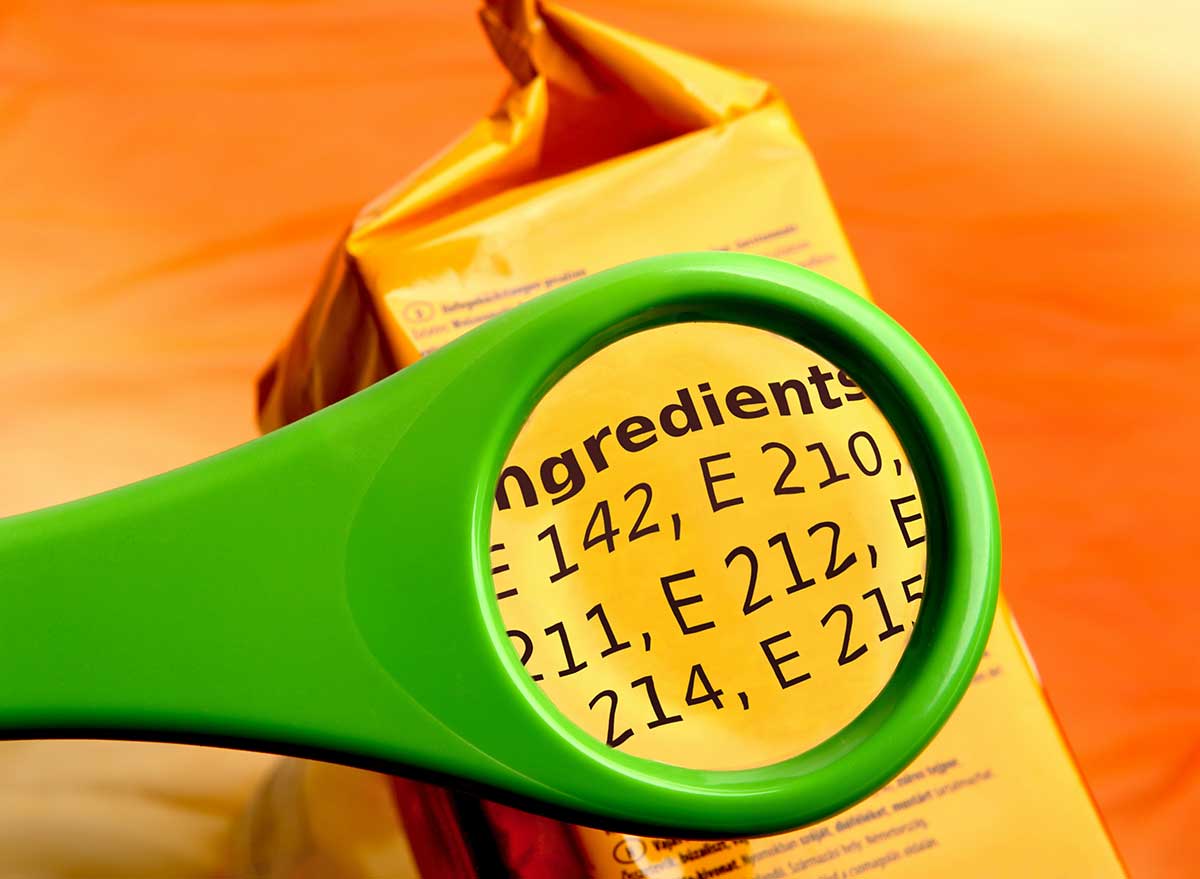
A halal verification scanner answers a simple question: what is in this food, and does it fit halal rules? The answer is rarely a single yes or no. Most products sit in a middle ground of doubtful ingredients, and the scanner that helps you most is the one that shows its working.
This guide looks at the best scanners for three different jobs: scanning a barcode in the shop, reading an ingredient photo, and looking up a single E-number or ingredient. The tools were researched in November 2026 against their own official sites and store listings.
What verification actually means
Barcode verification checks a product code against a database. It is fast, but it only works if the product is in the database. Ingredient verification reads the ingredient list, by photo or by typed text, and checks each item. E-number verification looks up one additive code, such as E631 or E261. Certification verification checks whether a product carries a real halal certificate from a recognised body. It does not analyse ingredients. For meat, chicken, and ready meals, this is the check that matters most, alongside the ingredients.
1. Halal Check Online, best overall verification scanner
Halal Check Online (https://halalcheckonline.com/) is the strongest all-round scanner in this guide because it does all three jobs in one place, in a browser, with no app and no sign-up. Scan a barcode, photograph a label, or paste the ingredients. The checker matches them against a curated database of 336 E-numbers and 126 named ingredients. Every verdict is halal, doubtful (mushbooh), or haram, with the reason named. The E-number classifications were last audited on 3 November 2026 by the editor and by software, which the site states is not a scholar's review.
Its E-number coverage is the most complete in this list: 336 additives, of which 2 are haram, 58 doubtful, and 276 halal. You can look up a single code directly, for example E631 (https://halalcheckonline.com/e-numbers/e631/) or E261 (https://halalcheckonline.com/e-numbers/e261/), and read what the code is and why it is classified that way.
It is also the only scanner here that works offline for pasted-ingredient checks. Label photos are read on the device and never uploaded, and pasted text is checked in the browser, not sent anywhere.
The site's own check of 1,318 UK products shows why the doubtful category matters. Only 6.0% contained a clearly haram ingredient, but 51.7% contained at least one doubtful ingredient, and only 32 carried a halal label at all. The most common doubtful flags were flavourings with no stated source (529 products), emulsifier with no stated source (122), whey (116), cheese with unstated rennet (86), and E471 (73). Pork was the most common haram reason, in 36 products.
You can also adjust the standard to your own position: Hanafi or general, strict or standard, and settings for insect colours, seafood, and carmine E120. Labels are read in ten languages, including French, German, Turkish, Arabic, and Russian.
Beyond food, it covers certification bodies, so you can read what HFSAA certified (https://halalcheckonline.com/certification/hfsaa/) means before trusting a logo, and it lists prayer times for 280 UK cities and 1,350 mosques.
Price: free, no sign-up. Platforms: any browser.
2. Helal Scan, best free E-number reference
Helal Scan's most useful feature is its free web E-number list, covering 170 additives, each with a status and a reason. The app scans a barcode or photographs an ingredient list. It gives four verdicts: Verified Halal, Halal with no issue found, Doubtful or Mushbooh, and Not Halal. It also shows Hanafi, Maliki, Shafi'i, and Hanbali positions on common doubtful ingredients. Fresh scans need a connection, so only products you have already scanned stay readable offline. Its verdicts differ from Halal Check Online on some codes: Helal Scan treats gelatine E441 as not halal unless its source is verified, while Halal Check Online lists E441 as Doubtful.
Price: free, no account. Platforms: iPhone and Android. Official site: https://helalscan.com/
3. HalalVerify, best for E-number range lookups on the web
HalalVerify is a newer, smaller scanner, and it should be used with that caveat. Its Play listing was updated on 18 November 2026 and shows around 220 installs. Its database is community driven, and the site itself says to compare recorded details with the current packaging. You can look up any E-number from E100 to E1521, and search products by name or barcode without installing the app. It covers more than 80,000 products according to its Play listing.
Price: free. Platforms: Android and web. Official site: https://halalverify.co/
4. Halal Food Check, best browser scanner for typed E-numbers
Halal Food Check works in a browser as well as in an app, and it lets you type an E-number or ingredient directly, without scanning anything. You can also scan a barcode, type a barcode number, or photograph the ingredient list. Its verdicts are Halal, Haram, Doubtful, or Unknown, and it names the deciding ingredient. Its data comes from Open Food Facts, a volunteer database, so entries can be incomplete or out of date. The site says so itself.
Price: free daily scans, with an ad for more. Platforms: iPhone, Android, and browser. Official site: https://halalfoodcheck.com/
5. Halal Scanner (halalscanner.org), best AI photo reader on iPhone
This is the iOS app at halalscanner.org, not one of the other apps with the same name. It photographs the ingredient list and AI reads every ingredient. The free tier is 10 scans, one-off, not monthly, with no card or account. After that, PRO gives unlimited scans. It is iOS only, and its own FAQ admits the barcode database does not cover every product in every country.
Price: 10 free scans, then PRO. Platforms: iOS only. Official site: https://halalscanner.org/
6. Scan Halal, best for ingredient sources and alternatives
Scan Halal scans a barcode or searches by product name, then breaks each ingredient down by source: plant, animal, or synthetic. Its site claims 2 million or more products and says the service is free with no subscription required. Check the current version before relying on it: an App Store snapshot checked in August 2026 showed its last update was April 2025.
Price: free. Platforms: iOS and Android. Official site: https://scanhalal.com
7. Verify Halal, best for checking a certificate
Verify Halal does not scan ingredients at all. It verifies certification. Scan the barcode or QR code of a certified product and it checks the record against JAKIM, Malaysia's halal authority, and more than 30 partner certification bodies. Use it when the question is whether a certificate is real. It is free to download, but the App Store listing shows Premium tiers.
Price: free to download, Premium tiers as above. Platforms: iOS and Android. Official listing: https://play.google.com/store/apps/details?id=com.serunai.verifyhalal&hl=en_GB

How to verify a product yourself, step by step
1. Scan the barcode first. If the product is in the database, you get a verdict in seconds.
2. If the barcode returns nothing, photograph the label or paste the ingredients.
3. Read the reason, not just the colour. A doubtful flag should name the ingredient, such as E471, whey, or flavourings with no stated source.
4. Look up any single E-number that worries you.
5. For meat, chicken, and ready meals, look for a recognised halal logo as well.
6. When two scanners disagree, read both reasons. Disagreement usually comes from a different rule for doubtful ingredients, not from a mistake. E441 gelatine is the classic example.
Which scanner should you use?
If you want one tool for everything, use the Halal Food Scanner at Halal Check Online (https://halalcheckonline.com/). It covers barcode, photo, and pasted ingredients, has the fullest E-number list in this guide, works offline for pasted checks, and is free with no sign-up. Before you shop, it also helps to check the specific foods you buy often, for example is Sainsbury's meat halal (https://halalcheckonline.com/supermarkets/sainsburys/) or is Botox haram (https://halalcheckonline.com/halal-or-haram/botox/).










Comments (0)