

How Occupational Therapy Supports Older NDIS Participants with Daily Living Needs
Through NDIS Occupational Therapy Blacktown, participants and families can learn more about occupational therapy options that may support their everyday needs.

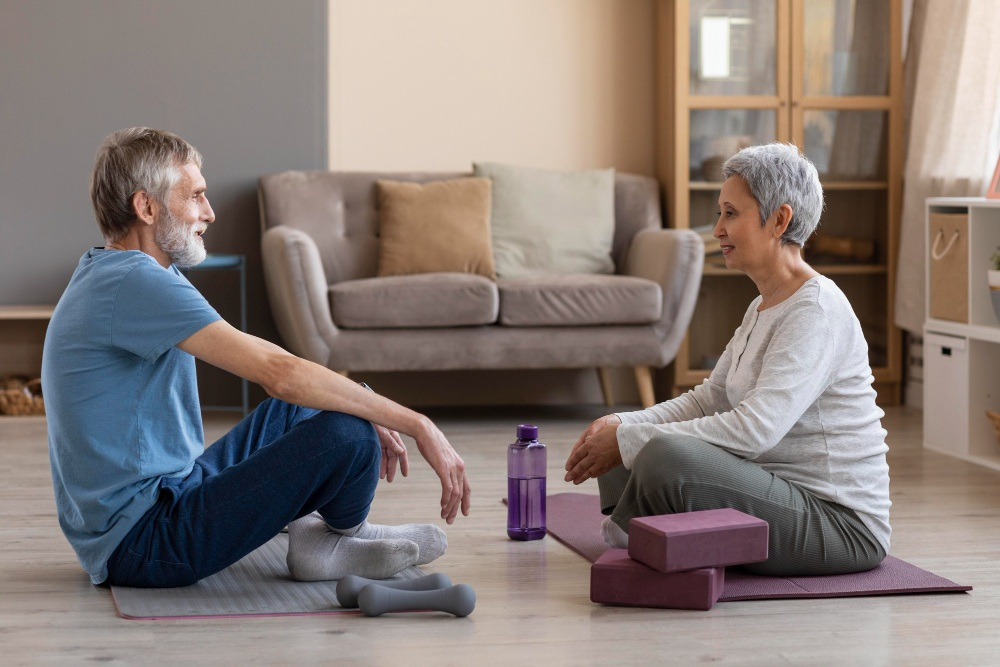
As people grow older, everyday activities can sometimes become more challenging, especially for those living with disabilities. Simple tasks such as getting dressed, preparing meals, taking a shower, and moving around the home may require additional support. These difficulties can affect a person's comfort, confidence, and independence.
Occupational therapy helps older people with disabilities manage their daily routines and develop practical skills. NDIS Occupational Therapy Blacktown can provide valuable support for participants who want to improve their everyday abilities and maintain a comfortable lifestyle.
AD Healthcare understands that older participants have different needs, preferences, and support requirements. With suitable guidance, they can work towards greater independence and enjoy better participation in everyday life.
What Is Occupational Therapy for Older NDIS Participants?
Occupational therapy is an allied health service that helps people with disabilities participate in daily activities. An occupational therapist assesses a person's abilities and identifies areas where additional support may be helpful.
Through NDIS Occupational Therapy Blacktown, older participants can explore suitable support for personal care, household activities, mobility, home safety, and assistive technology.
The main goal is to help participants manage everyday tasks more comfortably while maintaining their independence wherever possible.
How Occupational Therapy Supports Older Participants
Occupational therapists focus on practical activities that are important for everyday living. Here are some ways they can help older NDIS participants.
1. Supporting Personal Care Activities
Personal care is an important part of maintaining comfort and dignity. However, some older participants may experience difficulties with bathing, dressing, grooming, and maintaining personal hygiene.
Occupational therapists can recommend simple techniques and suitable equipment to make these activities easier. These may include shower chairs, dressing aids, and grab rails, depending on individual requirements.
2. Improving Mobility and Balance
Movement difficulties can make everyday activities more challenging. Older participants may experience problems with walking, standing, maintaining balance, or moving between rooms.
NDIS Occupational Therapy Blacktown can help identify suitable strategies and assistive equipment to support safer movement. Recommendations may include walking frames, wheelchairs, or other mobility aids based on an individual assessment.
3. Making the Home Environment Safer
A safe home environment is important for older people with disabilities. Slippery floors, stairs, narrow doorways, and inaccessible bathrooms can create everyday challenges.
An occupational therapist can assess the home and recommend suitable modifications. These may include ramps, bathroom grab rails, handrails, and accessible shower areas.
Such changes can help participants move around more comfortably and reduce potential safety risks.
4. Supporting Cooking and Household Activities
Preparing meals, washing clothes, cleaning, and organising household items can become difficult for some older participants.
Occupational therapists can suggest practical ways to manage these activities. They may recommend adapted kitchen utensils, simple task routines, and changes to household arrangements.
Through NDIS Occupational Therapy Blacktown, participants can explore strategies that make everyday household responsibilities more manageable.
5. Recommending Assistive Technology
Assistive technology can help older participants complete daily activities with greater comfort and safety.
An occupational therapist can assess whether equipment such as shower chairs, mobility aids, adapted utensils, or dressing tools may be suitable.
The recommendations should match the participant's abilities, daily routine, and support needs.
6. Building Confidence and Independence
Growing older with a disability can sometimes affect confidence when managing everyday activities. Occupational therapy encourages participants to practise useful skills and make choices about their daily routines.
With appropriate support, participants can work towards completing more activities independently and maintaining control over their everyday lives.
Who Can Benefit from Occupational Therapy?
NDIS Occupational Therapy Blacktown may benefit older participants who:
-
Experience difficulty with personal care.
-
Need assistance with household activities.
-
Have mobility or balance challenges.
-
Require assistive technology.
-
Need home accessibility improvements.
-
Want to maintain their independent living skills.
-
Need support with everyday routines.
Occupational therapy should be based on individual assessments and disability-related support needs.
Why Choose AD Healthcare?
AD Healthcare understands that older participants deserve respectful support that considers their personal preferences and abilities.
The focus is on exploring suitable support options that help participants improve daily living skills, maintain confidence, and work towards greater independence.
Through NDIS Occupational Therapy Blacktown, participants and families can learn more about occupational therapy options that may support their everyday needs.
Take the Next Step Towards Better Daily Living
Occupational therapy can make everyday activities easier for older people with disabilities. From personal care and mobility to home safety and household tasks, suitable support can help participants enjoy a more comfortable lifestyle.
If you are looking for NDIS Occupational Therapy Blacktown, contact AD Healthcare to learn more about available support options. Take the next step towards supporting your loved one's independence, comfort, and everyday wellbeing.













Comments (0)