

Balancing Effective Snow Management With Responsible Commercial Property Care

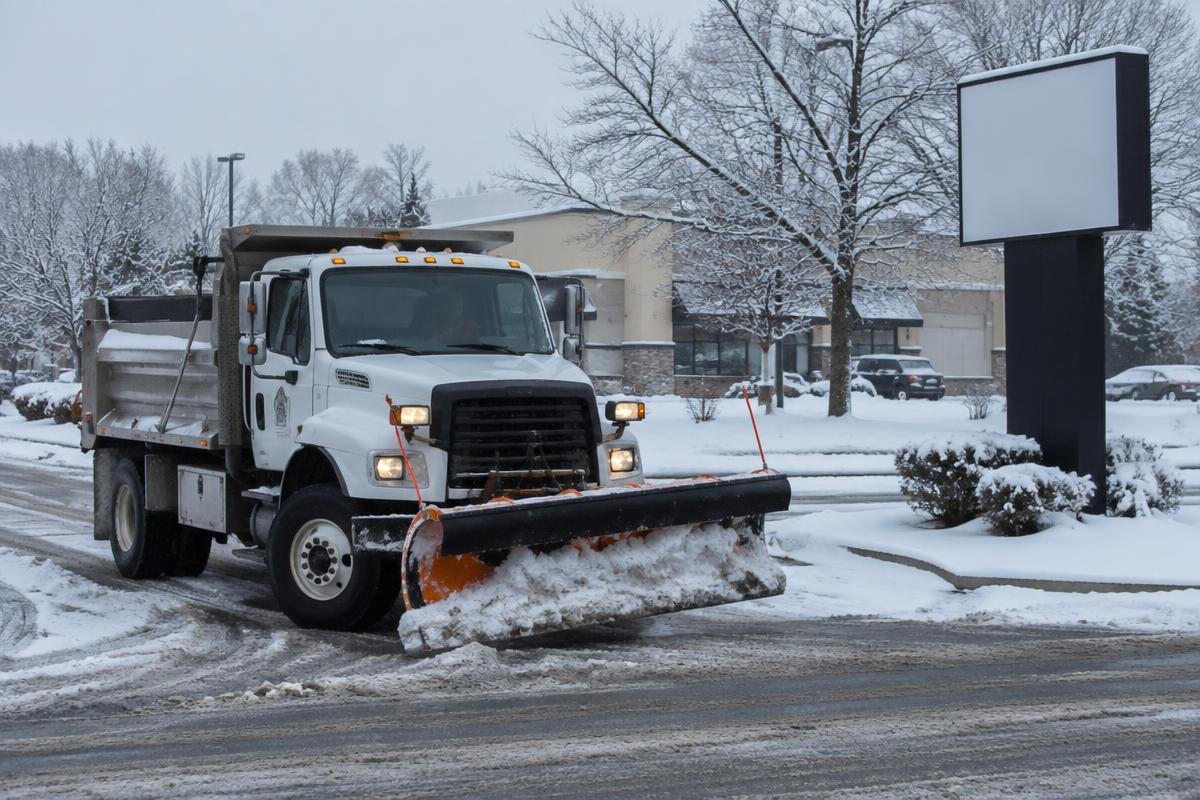
Winter maintenance is an essential responsibility for businesses that manage large outdoor spaces. Snow-covered parking areas, entrances, and access routes can interfere with everyday activities, but the methods used to maintain these spaces also affect the surrounding property. Commercial managers must consider efficiency, surface conditions, landscaping, drainage, and the long-term condition of exterior features when preparing for winter weather.
Businesses exploring commercial snow removal Edison NJ should consider how professional snow management can fit into a broader property care strategy. Removing accumulated snow is only one part of the process. Equipment selection, snow placement, material use, and ongoing site observations all influence the quality of winter maintenance.
A balanced approach helps commercial properties remain functional while limiting unnecessary disruption to their exterior surroundings. By considering both immediate maintenance requirements and longer-term property needs, managers can make more informed decisions throughout the winter season.
Choose Snow Storage Locations With Care
Snow storage is an important consideration for commercial sites with limited outdoor space. Placing cleared snow in convenient locations may seem practical initially, but poorly selected areas can eventually restrict parking, obstruct visibility, or interfere with pedestrian movement.
Property managers should identify suitable storage locations before winter begins. These areas should account for drainage patterns, nearby structures, landscaping, and normal vehicle movement. It is also useful to consider how storage capacity may change after repeated snowfall. A planned approach prevents snow piles from gradually occupying spaces needed for everyday business activities.
Consider the Effect of De-Icing Materials on Exterior Areas
De-icing products can support winter maintenance, but their selection and application deserve careful consideration. Different products have different characteristics, and their suitability may depend on surface materials, temperatures, surrounding vegetation, and manufacturer recommendations.
Commercial property managers should discuss appropriate options with qualified service providers and avoid assuming that applying more material will always produce better results. Following product directions and considering the surrounding environment can help prevent unnecessary use. A thoughtful approach also makes it easier to evaluate how winter treatments affect pavement, landscaping, and nearby building features.
Protect Landscaping From Repeated Snow Placement
Commercial landscaping contributes to the appearance and usability of business premises. Trees, shrubs, planting beds, decorative stones, and lawn areas can all be affected by repeated snow placement and winter maintenance activity.
Managers should identify vulnerable landscape features and communicate their locations before snow-clearing work begins. Suitable storage areas should be selected with these features in mind. It may also be useful to review landscaping boundaries and identify locations where equipment movement requires additional care. Protecting these areas during winter can reduce the amount of restoration work needed when warmer weather returns.
Prevent Snow Piles From Blocking Important Drainage Routes
Snow storage should not interfere with the property's ability to manage water. Drains, channels, low points, and other drainage features need to remain part of the winter maintenance plan, especially when accumulated snow begins to melt.
Property managers can review how water normally moves across the site and identify locations where snow placement could create problems. Particular attention may be useful around building foundations, paved entrances, and areas with a history of water accumulation. Monitoring drainage after snowfall helps managers recognize when additional maintenance may be needed.
Select Equipment With the Property Layout in Mind
Commercial snow-clearing equipment should be suitable for the size, design, and condition of the property. Large open parking areas may allow different equipment arrangements than narrow walkways, compact entrances, or spaces surrounded by landscaping.
Managers should explain the property's layout and any sensitive exterior features when discussing service requirements. Equipment movement, turning space, surface conditions, and access restrictions should all be considered. Matching the maintenance approach to the site helps reduce unnecessary disruption and allows snow-clearing work to be organized around the property's physical characteristics.
Keep Outdoor Fixtures and Signs Visible
Commercial properties often contain signs, lighting fixtures, parking indicators, utility covers, and other features that help people navigate the site. Snow accumulation can make these features harder to identify or may interfere with their visibility.
Before winter, managers should inspect important exterior fixtures and determine whether their locations need to be marked for maintenance purposes. Snow storage should also be planned so that it does not unnecessarily block signs or lighting. Maintaining visibility helps preserve the property's normal layout and makes it easier for visitors, employees, and delivery personnel to understand where they need to go.
Manage Winter Waste and Material Storage Properly
Snow and ice maintenance may involve the use of different materials and equipment throughout the season. Commercial facilities should consider where these supplies will be stored and how waste generated by exterior maintenance will be handled.
Storage areas should be organized, accessible to authorized personnel, and appropriate for the materials being kept. Managers should also ensure that containers and supplies do not obstruct vehicle routes, pedestrian access, or building service areas. Good organization makes routine maintenance easier and helps prevent seasonal supplies from becoming another source of property clutter.
Consider How Winter Maintenance Affects Nearby Businesses
Commercial properties may share access roads, parking arrangements, or boundaries with neighboring businesses. Snow-clearing activity at one site can influence how vehicles and pedestrians move through nearby spaces, particularly where properties have connected entrances or shared facilities.
Managers should understand which areas fall within their maintenance responsibilities and communicate with neighboring property representatives when coordination is necessary. This can help reduce confusion about snow placement, access arrangements, and shared exterior spaces. For commercial locations in Edison, NJ, considering the surrounding property layout can make winter planning more practical.
Evaluate the Long-Term Condition of Exterior Surfaces
Repeated winter maintenance can provide useful information about the condition of a commercial property's exterior. Areas that frequently collect water, develop uneven surfaces, or require additional attention may indicate underlying maintenance needs.
Managers should record recurring concerns rather than treating every issue as an isolated winter problem. Pavement inspections, drainage assessments, and landscaping reviews can help identify improvements that may benefit the property beyond the current season. Snow Patrol LLC is an option property managers may consider when exploring seasonal snow service arrangements, alongside other maintenance professionals who can assess longer-term exterior care requirements.
Plan a Post-Winter Property Restoration Review
Once winter conditions have passed, commercial property managers should examine the areas affected by snow storage, equipment movement, and seasonal treatments. Parking surfaces, curbs, planting beds, signs, drainage openings, and exterior fixtures may all need attention.
A post-winter review can identify cleaning requirements, damaged features, and repairs that should be included in the upcoming maintenance schedule. Managers can also assess whether snow storage locations and equipment arrangements worked as expected. Recording these findings provides useful information when preparing the next winter plan and helps connect seasonal maintenance with the property's overall upkeep.
Conclusion
Responsible commercial snow management involves more than clearing outdoor surfaces after snowfall. Snow storage, drainage, landscaping protection, equipment selection, de-icing materials, and exterior inspections all influence how well a property handles winter conditions. Considering these factors together can help managers maintain functional premises while protecting important exterior features.
For businesses in Edison, NJ, a thoughtful commercial snow removal strategy should support both immediate access requirements and long-term property care. Snow Patrol LLC is one option for managers exploring seasonal snow services, while consistent planning and post-winter evaluations help keep commercial properties better prepared for future weather challenges.











Comments (0)