

Commercial HVAC and Electrical Systems: What a Building Inspection Reviews
Essential details on commercial hvac and electrical inspection, from equipment and panels to safety concerns, records, timing, and next steps for property owners
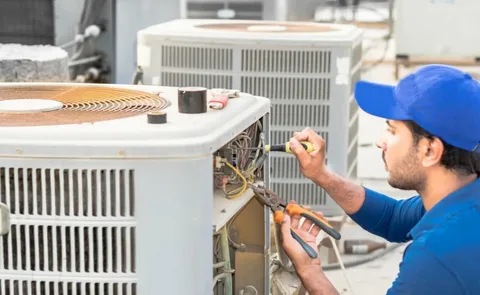
A commercial building inspection looks at far more than visible wear on walls, floors, and ceilings. For heating, cooling, and power systems, the review focuses on condition, safety, performance, access, and signs of deferred maintenance. For a property owner, a clear report from Casablanca Environmental & Building Diagnostics can turn those observations into a practical picture of current building-system risk. That is the purpose of a commercial hvac and electrical inspection: to identify what deserves attention now, what may need specialist testing, and what should be budgeted for later.
Key Takeaways
-
The review usually examines accessible equipment, distribution components, controls, visible defects, and maintenance concerns.
-
Building use, equipment age, service records, access, and the inspection goal all affect the scope and meaning of the findings.
-
A useful report separates urgent safety concerns from planned repairs, future capital needs, and items that only require monitoring.
What the Inspection Is Meant to Reveal
A building inspection provides a condition snapshot. It is normally based on visible and accessible components, normal operating observations when permitted, available records, and conversations with people familiar with the property. The inspector may note unusual sounds, leaks, corrosion, overheating signs, poor airflow, damaged insulation, exposed wiring, or equipment that appears neglected.
The review is not automatically a complete performance test or a certification that every component meets current code. Some questions require specialized instruments, shutdowns, energized testing, load calculations, refrigerant work, or access to concealed areas. Those limits should be stated clearly so that a property owner does not mistake a visual observation for a full engineering study.
The central concern is decision support. A buyer may need to understand near-term capital exposure. An owner may need to plan replacement work without interrupting tenants. A facility manager may need a written record of conditions that have been noticed informally for months. The same equipment can carry a different level of concern depending on the reason for the inspection.
The Main Systems Under Review
Commercial mechanical and electrical systems are connected, but they are not reviewed in exactly the same way. Heating and cooling equipment depends on electrical supply, controls, ventilation, drainage, and safe service access. Electrical distribution supports those systems while also serving lighting, appliances, life-safety equipment, elevators, and tenant improvements.
A typical visual review may address the following areas:
-
Heating and cooling equipment: Rooftop units, air handlers, heat pumps, boilers, chillers, condensers, exhaust fans, and related service clearances.
-
Air movement and comfort controls: Ductwork, insulation, dampers, thermostats, building automation components, filters, condensate management, and signs of uneven operation.
-
Electrical distribution: Main service equipment, panels, feeders, disconnects, breakers, visible conductors, labeling, grounding and bonding indicators, and panel working space.
-
Support and safety components: Emergency power equipment, lighting controls, equipment disconnects, fire-related interfaces, access platforms, guards, and visible hazards.
-
Physical condition: Corrosion, water intrusion, vibration, overheating marks, loose covers, damaged enclosures, poor housekeeping, and modifications that appear incomplete.
The list is a starting point rather than a promise that every component will be tested. A locked electrical room, an inaccessible roof, an operating restriction, or a tenant-controlled area can limit what the inspector can see. Those access limits should appear in the report because an unseen component remains an uncertainty.
Condition, Capacity, and Safety Are Different Questions
An older unit is not automatically a failed unit. Age can increase the chance of worn parts, obsolete controls, difficult repairs, or replacement planning, but age alone does not show how well a system serves the building. Visible condition, service history, operating symptoms, parts availability, and the effect of failure all matter.
Capacity is another separate issue. A system may run but still struggle after a space changes use, gains equipment, adds occupants, or receives a new layout. An inspection can identify clues such as temperature complaints, short cycling, overloaded-looking components, or mismatched additions. A formal load calculation may still be needed before a replacement size is selected.
Safety deserves its own review. Missing panel covers, open junction boxes, blocked disconnects, damaged wiring, leaking equipment near electrical components, and poor service access can create immediate concerns. The report should distinguish a visible hazard from a suspected hidden defect and should explain when a qualified electrical or mechanical specialist should investigate further.
Why Property Context Changes Findings
The building itself gives each observation meaning. A light-duty office, a restaurant, a warehouse, a medical space, and a retail property can place very different demands on their systems. Kitchen exhaust, refrigeration, process equipment, extended operating hours, and sensitive indoor conditions may change both maintenance needs and the consequences of an outage.
A rooftop unit with limited remaining life may be a manageable planning item in one building and a major business risk in another. A panel with little spare capacity may be acceptable for current use but a serious constraint before a renovation. In commercial property due diligence, the inspection should therefore connect observed conditions to planned occupancy, leases, renovations, and known operational demands.
Environmental exposure also matters. Moisture, dust, heat, vibration, poor drainage, and corrosive air can affect equipment and enclosures. The inspector should record where those conditions are present without assuming that a single visual sign proves the cause. Further testing or repair review may be needed before a final budget is prepared.
Records That Make Findings More Useful
Documents do not replace a site inspection, but they help explain what the site visit cannot show. A clean-looking unit may have a history of repeated failures, while a weathered enclosure may have consistent service records and no major operational complaints. Records also help separate a one-time issue from a pattern.
Useful information may include:
-
Equipment lists and age records: Model numbers, installation dates, warranty information, and known replacement history.
-
Service and repair records: Repeated calls, replaced parts, seasonal work, filter changes, cleaning, and unresolved recommendations.
-
Electrical and building documents: Panel schedules, one-line diagrams, renovation plans, permit records when available, and equipment specifications.
-
Operating information: Tenant hours, comfort complaints, production needs, utility concerns, shutdown limitations, and areas with restricted access.
Records should be reviewed for gaps as well as details. Missing maintenance history does not prove that work was ignored, but it lowers confidence in assumptions about condition. This matters in facility maintenance planning because an owner may need to reserve funds for investigation before choosing repair or replacement.
Choosing Scope and Timing
The right scope depends on the decision that follows the report. A baseline condition review may be suitable for an owner who wants to organize maintenance priorities. A transaction inspection may need a stronger focus on capital costs, safety concerns, remaining service life, and conditions that could affect negotiations. A renovation review may need attention to electrical capacity, equipment relocation, ventilation, controls, and access for new work.
Routine Condition Review
A routine review emphasizes visible defects, operating concerns, maintenance needs, and items that could become more costly if ignored. It can support an annual planning process, a change in facility management, or a review after a major weather event. It may not answer detailed design questions for a replacement project.
Transaction Or Due Diligence Review
A purchase or lease decision often calls for a wider look at deferred maintenance and likely capital exposure. The report should identify limitations, separate immediate concerns from longer-term needs, and flag systems that deserve specialist review before a deadline. A buyer should not treat a limited visual inspection as a final repair estimate.
Targeted Specialist Testing
Specialist testing becomes more useful when the concern involves performance, power quality, refrigerant systems, combustion, concealed wiring, structural support, or a proposed equipment change. The general inspection can identify the reason for that next step. It should not imply that a specialized test was completed when it was not.
Common Mistakes That Distort the Decision
One mistake is treating every recommendation as an emergency. Reports often contain a mix of safety items, maintenance tasks, planning concerns, and conditions to monitor. Ranking each finding by urgency, consequence, and uncertainty produces a clearer action plan than reacting to every note in the same way.
Another mistake is assuming that replacement is always better than repair. Replacement may make sense when failures are repeated, parts are difficult to source, capacity is unsuitable, or a larger renovation is already planned. Repair may be reasonable when the defect is isolated and the equipment remains suitable. The decision should account for access, downtime, operating needs, and the expected life of the repair.
A third mistake is ignoring access limitations. If the inspector could not enter a locked room or safely reach a rooftop unit, the report should say so. A follow-up visit or specialist review may be more useful than a confident conclusion based on incomplete evidence.
Finally, owners sometimes focus only on equipment and overlook the space around it. Blocked service clearances, poor drainage, damaged curbs, missing labels, crowded panels, and difficult routes for future replacement can add cost even when the main unit still operates. These conditions belong in the planning discussion.
A Practical Review Sequence
A clear process helps property stakeholders use the findings without overreading them:
-
Define the decision: State whether the purpose is maintenance planning, a purchase, a lease, a renovation, insurance documentation, or a response to a known problem.
-
Gather available records: Provide equipment data, service history, drawings, schedules, tenant concerns, and known access restrictions before the site visit.
-
Review accessible conditions: Record what is visible, operating, damaged, modified, missing, or difficult to service.
-
Separate observation from testing: Mark which conclusions come from visual review and which require electrical, mechanical, controls, or engineering follow-up.
-
Rank the next steps: Place safety concerns, likely repairs, capital planning items, and monitoring tasks into a practical order.
The final report is most useful when it explains why an item matters. A note about corrosion should indicate its location and apparent extent. A note about limited electrical capacity should explain whether it is an observed condition or a question that requires a load study. A note about poor cooling should distinguish an operating symptom from a confirmed equipment failure.
Conclusion
A commercial HVAC and electrical systems inspection is a decision-making tool, not just a checklist of equipment. The strongest review connects visible condition, safety, access, records, building use, and future plans while making its limits clear. Property owners and other stakeholders can then decide which items need immediate specialist attention, which belong in scheduled maintenance, and which should be included in longer-term capital planning.
Arrange the Next Inspection Step
An inspection is most useful when its purpose is clear before the site visit. Property owners, buyers, and facility managers can assemble available plans, service records, utility information, and access details, then ask the inspector to separate visible conditions from items needing specialist testing. A written scope also helps avoid surprises about equipment operation, electrical access, or destructive procedures. Scheduling the review before a lease, purchase, renovation, or major repair can support a calmer budget and priority discussion.
Frequently Asked Questions
What Does a Commercial Building Inspection Cover?
It commonly covers accessible heating, cooling, ventilation, electrical distribution, controls, visible safety concerns, service access, and signs of deferred maintenance. The exact scope depends on the property, the inspection purpose, and any access limits.
Does an Inspection Test Every HVAC Component?
No. A general review may observe equipment operation when safe and practical, but detailed performance testing, refrigerant work, combustion analysis, load calculations, and concealed-condition testing may require qualified specialists and a separate scope.
Can an Inspection Confirm That an Electrical System Meets Code?
A visual inspection can identify conditions that appear unsafe, incomplete, or inconsistent with expected installation practices. It is not automatically a formal code determination. Local authority requirements and specialist evaluation may be needed for a definitive answer.
When Should a Property Owner Schedule the Review?
Timing depends on the decision. Reviews are often useful before a purchase, lease, renovation, major repair, or annual capital planning cycle. Earlier scheduling allows time for specialist testing and budgeting when a concern is found.
What Records Should Be Available for the Inspector?
Useful records include equipment lists, service invoices, repair histories, panel schedules, renovation drawings, warranty information, operating hours, tenant complaints, and known restrictions on roof or electrical-room access.
How Are Inspection Findings Usually Prioritized?
Findings are best ranked by safety, likelihood of failure, effect on operations, repair urgency, cost uncertainty, and the time needed for further testing. That approach keeps immediate hazards separate from routine maintenance and future replacement planning.

Hi, I’m Freya Parker, an automotive expert focused on helping car owners make smarter decisions when selling their vehicles. I specialise in breaking down the car-selling process in a simple, practical way from understanding your car’s real value to reading market trends and spotting the right time to sell. My goal is to give you clear, honest guidance so you can confidently get the best possible price for your car without confusion or stress. Whether you’re selling for the first time or just want a better deal, I’m here to make the process straightforward, transparent, and rewarding











Comments (0)