

Landscape Lighting in Redmond, WA: Choosing Warm vs. Cool Color Temperature
Create a welcoming outdoor setting with landscape lighting in redmond, wa. Learn how warm and cool color temperatures affect plants, paths, architecture, glare, and evening comfort
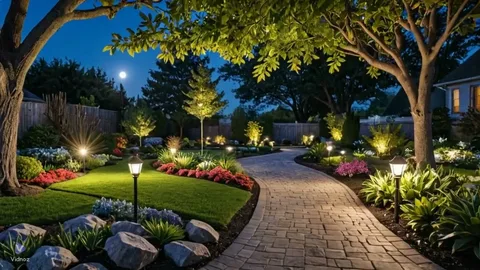
An evening walk can reveal a lighting problem that daylight hides: a path may be safe but feel harsh, while a patio may look flat under a bright white lamp. In most homes, warm light creates a relaxed feel, while cool light gives clearer, crisper detail; the best choice depends on materials, plants, tasks, and viewing distance. Economy Landscaping can be part of a property owner’s planning conversation when the goal is to balance comfort, visibility, and curb appeal. For anyone comparing landscape lighting in redmond, wa, color temperature should be chosen as part of the whole lighting plan, not as a stand-alone bulb decision.
Key Takeaways
-
Warm light usually suits patios, porches, wood, brick, and planting beds.
-
Cool light can bring out detail in pale stone, water, metal, and modern surfaces.
-
Glare, beam direction, fixture height, and brightness matter as much as color temperature.
-
A nighttime test is more useful than judging a lamp only in a showroom.
What Landscape Lighting in Redmond, WA Should Achieve
The best color temperature supports the way a property is used after sunset. A seating area needs comfort and a soft view, while steps and entry paths need clear edges without shining light into people’s eyes. A property owner choosing bulbs only by brightness may solve one problem and create another, such as glare on a wet walkway or a cold look across a warm wood deck.
When planning landscape lighting in Redmond, WA, color temperature is an important factor to consider. It is measured in Kelvin, or K. Lower numbers look warmer and more amber, while higher numbers look whiter or bluer. Warm landscape lamps often fall near 2200K to 3000K, while cool lamps may begin around 4000K and rise higher. A middle range can work when a property needs a cleaner look without a noticeably blue cast.
Local conditions also affect the choice. Damp evenings can make stone, concrete, leaves, and glass reflect light more strongly. A cool lamp aimed across a wet surface may look sharper than expected, while a shielded warm lamp can feel calmer. Close neighbors, bedroom windows, and views from inside the home should be considered before a fixture is aimed toward a property line.
Warm and Cool Light in Real Outdoor Settings
Warm Light for Comfort and Texture
Warm light works well around porches, dining areas, cedar siding, brick, and natural stone. It can make green plants and wood feel connected to the home instead of making the yard look like a brightly lit work area. It is often a natural fit for entertaining spaces where people sit for long periods.
Warm light is not ideal for every task. A very amber lamp may soften the appearance of blue-gray stone or make detailed work near a doorway less clear. The answer may be a slightly higher color temperature in that one area rather than changing every fixture on the property.
Cool Light for Detail and Contrast
Cool light can help pale stone, silver foliage, water features, metal railings, and modern concrete stand out. It may also give steps and service areas a more defined appearance. However, cool light does not automatically mean better visibility. Brightness, beam spread, placement, and glare control determine how useful the light feels.
Too many cool fixtures can make a residential yard feel stark, especially when they are aimed directly at windows or placed beside warm indoor lighting. A cooler lamp often works best as a limited accent or task light instead of the default temperature for every zone.
Match Color Temperature to the Setting
A useful starting point is to match the lamp to the material and activity, then check the result from normal viewing locations. These ranges are starting points, not strict rules:
-
Use 2200K to 2700K around intimate patios, seating areas, and warm-toned materials.
-
Consider 2700K to 3000K for general paths, entries, planting beds, and front approaches.
-
Test 3000K to 4000K near work areas, pale stone, water, or modern architectural details.
-
Use higher temperatures carefully, with shielding, when crisp detail matters more than a relaxed mood.
A mixed plan can work when each temperature has a clear reason. For example, a warm patio may connect to a path with a similar warm tone, while a small cool accent highlights a metal gate. The transition should feel intentional from the main viewing angle.
Plan the Installation Around the Property
Redmond outdoor lighting choices should begin with the property itself, not a catalog picture. The view from the kitchen, the front walk, the street, and nearby rooms may all be different. A lamp that looks balanced from the sidewalk could create glare when seen from a living room chair.
Before fixtures are selected, property owners can identify the areas that need comfort, direction, safety, or visual focus. They can also mark locations that should remain darker. This prevents the common mistake of lighting every shrub and path at the same level, which can flatten the yard and reduce contrast.
Important checks include:
-
Note whether siding, paving, stone, or plant colors look better under warm or cool light.
-
Check how mature trees and shrubs may block or reflect light as they grow.
-
Look for wet surfaces that could create glare during rainy weather.
-
Plan wire runs, transformer capacity, and separate lighting zones before installation.
-
Choose controls that allow lower output, schedules, or different areas to operate separately.
Fixture optics matter as much as the Kelvin rating. A narrow beam can highlight a tree trunk, while a wider beam can wash a wall or spread light across a path. Downlighting from a stable, well-placed location may look more natural than several small fixtures aimed upward. Shielded or hooded fixtures can reduce glare without making the area dark.
Outdoor-rated equipment, protected connections, and correct installation practices are essential. Local electrical requirements should be checked, and a qualified electrical professional may be needed for work that falls outside a simple low-voltage landscape system. A small nighttime test with the intended fixture is worthwhile because showroom lighting rarely matches the property’s actual surfaces and sightlines.
Avoid Common Color Temperature Mistakes
For Puget Sound landscape lighting, color temperature is only one part of a comfortable result. The following mistakes can make a carefully chosen lamp look wrong once it is installed:
-
Using one color temperature everywhere, even when patios, paths, and walls serve different purposes.
-
Choosing cool light to compensate for poor fixture placement or too little light on a path.
-
Aiming fixtures at eye level, windows, or reflective surfaces where glare is likely.
-
Installing every fixture in a straight row instead of varying height, spacing, and beam direction.
-
Forgetting to review the design after plants grow or furniture changes the view.
Color rendering also deserves attention. Two lamps with the same Kelvin rating may show plant leaves, stone, or painted surfaces differently. A high color-rendering lamp can reveal more natural tones, but it still needs the right brightness and position. Property owners can ask to see the actual fixture output on similar materials before making a final choice.
Another practical tip is to check the property after rain and again from inside the home. Reflections and glare may not appear on a dry evening. Timers, dimmers, or separate zones can then reduce output late at night while keeping entry areas easy to find.
Frequently Asked Questions
Does Warm Light Work for Every Outdoor Area?
No. Warm light is comfortable in many residential settings, but a cooler tone may show pale stone, metal, water, or detailed work areas more clearly. The material and purpose of each zone should shape the choice.
Can Warm and Cool Fixtures Be Used Together?
Yes, but the change should have a reason. Warm light may define a seating area while a slightly cooler lamp highlights a gate or water feature. Randomly mixing temperatures across nearby fixtures can make the design feel uneven.
Does Cool Lighting Improve Outdoor Security?
Cool light can make some edges and surfaces look more defined, but security depends on coverage, glare control, access points, and visibility from the home. A harsh lamp aimed at a window may reduce comfort without improving the useful view.
What Color Temperature Is Best for Path Lighting?
Many residential paths work well around 2700K to 3000K because that range can provide clear direction without a strong blue cast. The right choice still depends on paving color, nearby lighting, and how the path is viewed.
How Can Property Owners Test a Color Temperature?
They can place a temporary fixture or sample lamp at the planned height and view it from the patio, windows, entry, and street. Testing after dark, especially on a damp evening, gives a more realistic sense of comfort and reflection.
Conclusion
Warm and cool color temperatures each have a place in outdoor design. Warm light often supports comfort and natural materials, while cool light can add detail to selected features. The strongest plan considers the property’s surfaces, activities, views, weather, fixture optics, and controls together. A nighttime test helps confirm that the final lighting feels clear without becoming harsh.
Plan the Next Step
Before selecting fixtures, property owners can walk the site after dark and note where shadows, glare, or missing path markers affect comfort. A lighting professional can then review color temperature, beam spread, fixture placement, transformer capacity, and controls as one plan. Bringing photos of the home, a site sketch, and a list of outdoor activities can make that conversation more useful. The next step is a balanced lighting review that keeps the property welcoming, clear, and respectful of nearby homes.

Hi, I’m Freya Parker, an automotive expert focused on helping car owners make smarter decisions when selling their vehicles. I specialise in breaking down the car-selling process in a simple, practical way from understanding your car’s real value to reading market trends and spotting the right time to sell. My goal is to give you clear, honest guidance so you can confidently get the best possible price for your car without confusion or stress. Whether you’re selling for the first time or just want a better deal, I’m here to make the process straightforward, transparent, and rewarding












Comments (0)