

Creating a Connected Living Space Through Thoughtful Home Technology Design
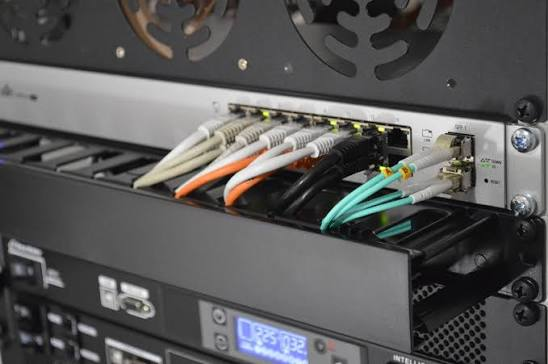
A comfortable home is shaped by more than its furniture, lighting, and interior design. The technology behind everyday activities also influences how efficiently a household operates. Reliable internet, accessible entertainment systems, organized wiring, and convenient device controls can make residential spaces easier to use. As more households adopt connected products, planning the supporting infrastructure has become an important part of maintaining a functional home.
Homeowners considering Home Technology Services in Longview, TX should understand how low-voltage installations can support different residential needs. From structured cabling to network connectivity and integrated entertainment equipment, these solutions help establish connections between devices throughout a property.
The most effective residential technology arrangements are designed around actual household routines. Considering where equipment will be installed, how different rooms are used, and which upgrades may be needed later can help homeowners make practical decisions.
Making Technology an Integral Part of Home Design
Technology is often easier to incorporate when it is considered during the initial design or renovation process. Planning cable outlets, equipment locations, and control points alongside furniture arrangements can create a more organized result.
For example, a living room may require television connections and speaker wiring, while a home office may need multiple network outlets. Bedrooms and shared family spaces can have different requirements depending on the devices used there.
Integrating these considerations into the overall design helps reduce unnecessary visible wiring. It also gives installers a clearer understanding of the household's expectations before work begins.
Choosing the Right Locations for Network Equipment
The placement of networking equipment can influence how well connected devices communicate throughout a home. Routers, switches, and wireless access points should be positioned with the property's layout and connectivity requirements in mind.
Placing equipment inside enclosed cabinets or areas with limited ventilation may create unnecessary operating challenges. Accessibility is also important because homeowners may occasionally need to inspect connections, restart devices, or perform maintenance.
For larger properties, additional wireless access points may be useful to improve coverage in distant rooms. A combination of wired connections and properly positioned wireless equipment can provide a practical approach to residential networking.
Understanding the Benefits of Wired Connectivity
Wireless technology offers convenience, but certain devices benefit from direct network connections. Desktop computers, televisions, gaming equipment, and other stationary electronics may use Ethernet connections for consistent communication with the home network.
Structured cabling allows these connections to be distributed throughout suitable areas of the property. It also provides a more organized alternative to running temporary cables across floors or around furniture.
Homeowners should consider their existing equipment and expected internet usage when planning network outlets. Installing suitable connections in frequently used areas can make everyday technology arrangements more convenient.
Designing Entertainment Systems Around Household Needs
A residential entertainment system should complement the way people use their living spaces. Some households prefer a simple television and streaming setup, while others may want additional speakers, receivers, and equipment for multiple rooms.
Planning the wiring before installing displays and furniture can help prevent exposed cables and inconvenient connection locations. Speaker placement should also account for room dimensions, seating arrangements, and the intended listening experience.
Multi-room audio is another possibility for homeowners who want music available in different parts of their property. The selected system should provide appropriate controls and compatibility with the equipment being used.
Making Everyday Routines Easier With Smart Home Technology
Smart home devices allow homeowners to manage selected household functions through compatible applications and control systems. Depending on the products installed, these features may include lighting adjustments, temperature management, connected doorbells, and other automated functions.
Before purchasing equipment, it is useful to identify which routines could benefit from additional convenience. This helps prevent unnecessary spending on devices that may not provide meaningful value to the household.
Compatibility should remain a priority throughout the selection process. Products using different platforms may require additional configuration or specific equipment to communicate properly.
Organizing Low-Voltage Wiring for Easier Maintenance
An organized wiring arrangement makes residential technology systems easier to inspect and maintain. Poorly managed cables can become difficult to identify, especially when several devices connect through a central equipment location.
Cable labels help homeowners and installation professionals distinguish individual connections. Proper routing and secure installation also reduce unnecessary strain on wiring and help maintain a tidy equipment area.
Homeowners should consider asking about cable documentation after installation. Knowing where important connections terminate can simplify future upgrades and troubleshooting.
Adapting Home Technology to Different Property Layouts
Residential installation requirements depend heavily on the property's construction and layout. A single-story home may offer different cable routing opportunities than a multi-level property with several separate living areas.
Older homes can present additional considerations when existing walls, ceilings, and wiring pathways limit installation access. Renovation projects may provide opportunities to address these requirements while other construction work is underway.
Homeowners researching Home Technology Services in Longview, TX should consider having their property's existing conditions assessed before choosing an installation plan. This helps establish realistic expectations about equipment placement and available connection routes.
Considering Equipment Safety and Environmental Conditions
Electronic equipment requires suitable installation conditions to operate reliably. Network components and related devices should have appropriate ventilation and protection from excessive moisture, dust, and physical interference.
Outdoor or garage installations may require equipment specifically designed for the intended environment. Homeowners should follow manufacturer recommendations concerning temperature limits, mounting, enclosure protection, and maintenance.
Power protection is another consideration for sensitive electronics. Suitable protective equipment can help address certain electrical disturbances, although the appropriate solution depends on the devices and installation conditions.
Careful equipment placement supports a more manageable residential technology environment.
Planning for Future Household Technology Requirements
Household technology needs rarely remain exactly the same over time. Families may introduce additional televisions, improve their internet equipment, expand entertainment systems, or add compatible smart home products.
A flexible installation can make these changes easier. Spare cable pathways, accessible connection points, and organized equipment locations may provide room for future improvements without requiring major modifications.
It is not necessary to install every possible feature during the initial project. Instead, homeowners can prioritize essential requirements while considering how the infrastructure might accommodate additional equipment later.
This approach makes long-term planning an important part of evaluating residential technology installations.
Evaluating Professional Installation Options in Longview
Choosing a home technology provider requires attention to the specific work involved. Homeowners should review proposed wiring arrangements, equipment recommendations, installation methods, and the overall project scope.
It is also useful to discuss how connections will be tested and identified after installation. Clear communication about access requirements, scheduling, and equipment placement can prevent confusion during the project.
Shilowe Electric Data is a business homeowners can research when exploring low-voltage residential technology solutions. Reviewing its available service information and discussing individual property requirements can help determine which options are suitable for a particular installation.
Comparing project details rather than focusing exclusively on price can lead to better-informed decisions.
Conclusion
A thoughtfully designed home technology system brings together connectivity, entertainment, wiring, and compatible smart devices in a practical way. Careful planning helps ensure that equipment is positioned appropriately, connections remain organized, and the infrastructure can support future household requirements.
For homeowners in Longview, Texas, understanding the property's layout and everyday technology needs is an important starting point. By considering installation quality, equipment compatibility, and long-term flexibility, households can create connected living spaces that remain useful as technology changes. Shilowe Electric Data is one resource homeowners can explore when researching low-voltage solutions for modern residential environments.

Shillowe Electric Data provides professional electrical and data solutions for residential, commercial, and industrial clients. The company specializes in electrical installations, network cabling, data infrastructure, maintenance, and technology solutions, delivering reliable service, quality workmanship, and efficient results tailored to each project's needs.











Comments (0)