

Rhinoplasty Surgery in Dubai for Nose Symmetry
Discover how Rhinoplasty Surgery in Dubai can address nasal asymmetry, refine uneven contours, and improve the relationship between facial features.
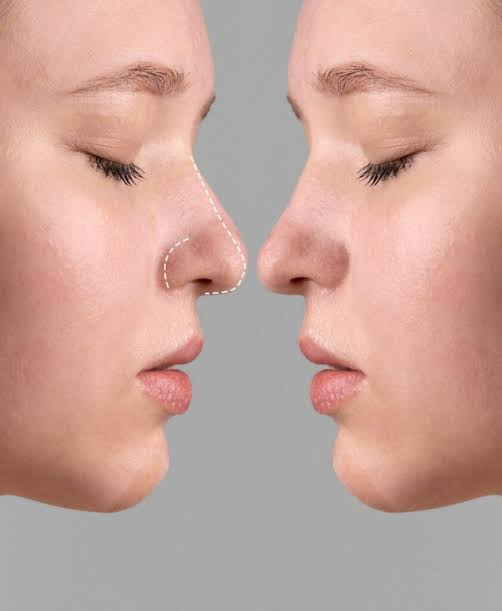
Facial symmetry is often associated with balanced and harmonious features, but natural differences between the two sides of the face are completely normal. The nose can have uneven contours, a slightly crooked bridge, different nostril shapes, or an asymmetrical tip. These characteristics may be present from birth or develop following an injury.
People who feel that their nasal appearance is uneven sometimes explore surgical reshaping to improve its proportions. Rhinoplasty Surgery in Dubai offers an option for addressing selected structural differences while considering the natural shape of the face. Understanding the causes of nasal asymmetry and the possible treatment approaches can help individuals develop realistic expectations.
What Is Nasal Asymmetry?
Nasal asymmetry refers to differences between the right and left sides of the nose. These differences may involve the bridge, tip, nostrils, or overall alignment.
Some individuals have a nose that appears slightly crooked from the front, while others notice uneven nostril shapes or an off-centre nasal tip. In certain cases, the underlying nasal septum may also be deviated, potentially affecting airflow.
Not every difference requires correction. The importance of treatment depends on individual concerns, structural findings, and whether functional problems are present.
Common Causes of an Uneven Nose
Several factors can contribute to differences in nasal shape and alignment.
Natural Facial Development
The nose develops as part of the overall facial structure. Small differences in bone, cartilage, and soft tissue can create natural asymmetry.
Previous Nasal Injuries
An accident, sports injury, or other trauma may change the position of nasal bones or cartilage. This can result in a crooked appearance or uneven contours.
Deviated Nasal Septum
The septum separates the two nasal passages. When it is displaced from the centre, it may contribute to an uneven external appearance and sometimes interfere with breathing.
Differences in Cartilage Structure
Uneven cartilage shape or strength can influence the appearance of the nasal tip and lower nasal framework.
Rhinoplasty Surgery in Dubai for Improving Nose Symmetry
Rhinoplasty can address selected structural differences by modifying the bone, cartilage, or soft tissues of the nose. The specific adjustments depend on the location and cause of asymmetry.
Correcting a Crooked Nasal Bridge
A visibly crooked bridge may result from differences in bone alignment or previous trauma. Surgical adjustments can help improve its position and create a more balanced profile.
Refining an Uneven Nasal Tip
The tip may appear tilted or asymmetrical because of differences in cartilage structure. Carefully planned reshaping can improve its definition and alignment while maintaining appropriate support.
Addressing Uneven Nostrils
Differences in nostril shape or width can influence the appearance of the lower nose. Selected modifications may improve the overall balance when suitable for the individual's anatomy.
Improving Overall Nasal Alignment
Some cases involve several structural differences rather than one isolated concern. A comprehensive approach considers the bridge, tip, septum, and surrounding tissues together.
The Role of Facial Proportions
Improving nasal symmetry does not mean creating a perfectly identical appearance on both sides. The nose should complement the natural characteristics of the entire face.
Factors such as cheekbone position, jaw alignment, chin projection, and facial width can influence how nasal symmetry is perceived. Considering these relationships helps establish more realistic aesthetic goals.
How Is the Appropriate Surgical Approach Selected?
The surgical plan depends on the underlying cause of asymmetry and the extent of correction required.
Open rhinoplasty may be considered when detailed access to the nasal framework is necessary. Closed rhinoplasty may be suitable for selected cases where the required adjustments can be performed through internal incisions.
When a deviated septum contributes to the problem, septorhinoplasty may be considered to address both external appearance and internal structure.
Previous surgery and existing cartilage weakness may require additional planning.
What to Expect During Recovery
After surgery, swelling and bruising may temporarily make the nose appear uneven. This does not necessarily represent the final outcome because the tissues require time to settle.
A protective splint may be used during the first week. As healing continues, visible swelling gradually decreases, allowing the nasal contours to become more noticeable.
Subtle swelling can remain for several months, especially around the tip. Final changes may take approximately a year or longer, depending on the complexity of the procedure.
Can Perfect Nose Symmetry Be Achieved?
Perfect symmetry is not always possible because natural facial structures are rarely identical on both sides. Even after careful surgical correction, small differences may remain.
The realistic objective is to improve noticeable irregularities while maintaining natural proportions and appropriate nasal function.
Individuals should understand these limitations before proceeding and avoid expecting an exact copy of a reference photograph.
Possible Risks and Important Considerations
Rhinoplasty involves potential complications such as bleeding, infection, prolonged swelling, scarring, breathing changes, residual asymmetry, and dissatisfaction with the appearance.
Additional treatment or revision surgery may sometimes be required. A thorough understanding of these risks is important when considering nasal correction.
Conclusion
An uneven nose can result from natural development, structural differences, previous injuries, or septal deviation. Rhinoplasty Surgery in Dubai offers different approaches for improving selected nasal irregularities while considering facial proportions and breathing function. Understanding the causes of asymmetry, surgical possibilities, and realistic outcomes helps individuals make informed decisions. Those interested in personalised nose reshaping and improved nasal balance can consider TAJMEELS CLINIC as part of their journey towards exploring suitable aesthetic options.
For More Details, Contact Us Through:
WhatsApp: +971 56 203 8751
Phone: +971 4 373 9000
Social Media:

Provide health services












Comments (0)