

How Does Tajmeels Clinic Evaluate Facial Muscle Activity Before Botox?
how Tajmeels Clinic evaluates facial muscle activity before Botox to support personalised treatment planning and natural-looking aesthetic results.
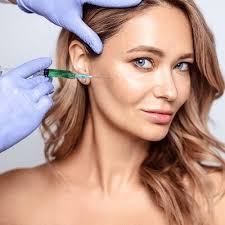
Botox is a popular non-surgical aesthetic treatment used to soften dynamic wrinkles and reduce the appearance of expression lines. However, achieving balanced and natural-looking results involves more than identifying visible wrinkles. Facial muscles play an important role in how the skin moves, folds, and develops lines over time. Understanding their activity helps determine an appropriate treatment approach for individual facial features.
Before recommending Botox, a professional assessment of facial muscle activity can help identify areas of repeated movement, differences in muscle strength, and individual expression patterns. This evaluation also helps establish realistic treatment goals while considering facial anatomy, skin condition, and personal preferences.
Why Is Facial Muscle Activity Important Before Botox?
Facial expressions are created through coordinated muscle movements. Smiling, frowning, raising the eyebrows, and squinting involve different facial muscles working together. Repeated contractions can gradually contribute to dynamic wrinkles, particularly around the forehead, eyes, and between the eyebrows.
Botox works by temporarily reducing signals between nerves and targeted muscles, limiting their ability to contract. Therefore, understanding which muscles contribute to specific expression lines is an important part of treatment planning.
An assessment helps practitioners consider whether visible wrinkles are primarily related to muscle movement or other factors, such as skin ageing, sun exposure, or reduced skin elasticity. This distinction is important because Botox does not address every type of wrinkle.
How Are Facial Muscles Evaluated Before Botox?
A facial muscle assessment generally involves observing the face at rest and during different expressions. This allows the practitioner to understand how individual muscles contribute to facial movement.
1. Observing the Face at Rest
The first step is examining the face without intentional muscle movement. Practitioners observe existing wrinkles, natural facial symmetry, skin texture, and areas where lines remain visible even when the face is relaxed.
This helps distinguish between dynamic wrinkles, which appear during facial expressions, and static wrinkles, which remain visible at rest.
The assessment may also identify differences between the left and right sides of the face. These natural variations are important considerations when developing an individualised Botox treatment plan.
2. Assessing Muscle Movement During Expressions
The next step involves observing facial movements. Patients may be asked to raise their eyebrows, frown, smile, or gently close their eyes.
These movements help demonstrate how different muscle groups contract and where expression lines become more noticeable.
For example:
-
Forehead: Raising the eyebrows activates the frontalis muscle and creates horizontal forehead lines.
-
Between the eyebrows: Frowning activates muscles such as the corrugator supercilii and procerus, contributing to vertical frown lines.
-
Around the eyes: Squinting or smiling activates the orbicularis oculi muscles, which can contribute to crow's feet.
Understanding these patterns helps practitioners identify the muscles associated with the patient's aesthetic concerns.
3. Identifying Differences in Muscle Strength
Not everyone has the same facial muscle strength or movement patterns. Some individuals naturally have stronger forehead contractions, while others show more noticeable activity around the eyes or between the eyebrows.
Muscle strength can influence how expression lines develop and how a person responds to treatment.
During evaluation, practitioners consider the intensity and frequency of muscle contractions. They also assess whether certain muscles appear more active than others.
This information supports decisions about treatment areas and helps avoid unnecessary muscle relaxation.
4. Checking Facial Symmetry
Facial symmetry is another important consideration before Botox. Although perfect symmetry is uncommon, differences in muscle activity can make one eyebrow appear higher or one side of the face seem more expressive.
A practitioner may compare both sides of the face during rest and movement to understand these differences.
This assessment helps establish realistic expectations and supports a balanced approach. However, Botox cannot guarantee perfect facial symmetry, particularly when differences are related to bone structure, skin laxity, or other anatomical factors.
What Other Factors Are Considered During a Botox Assessment?
Facial muscle activity is only one part of the evaluation. A comprehensive consultation should also consider several individual factors.
Skin condition and elasticity: Skin quality can influence how wrinkles appear and whether they remain visible when facial muscles are relaxed.
Age-related changes: Natural ageing can affect muscle movement, skin elasticity, and facial volume. These changes may influence treatment goals.
Medical history: Previous treatments, existing medical conditions, allergies, medications, and relevant neuromuscular concerns should be reviewed before treatment.
Previous Botox experience: Patients who have received Botox before may discuss their previous results, duration of effects, and any unwanted reactions.
Personal aesthetic goals: Some people want to soften prominent expression lines while maintaining movement. Others may have specific concerns involving the forehead or eye area.
These considerations help determine whether Botox is appropriate and whether alternative treatments or additional assessments may be necessary.
How Does Muscle Evaluation Help Achieve Natural-Looking Results?
Natural-looking Botox results depend on understanding facial movement rather than simply reducing all muscle activity.
Excessive relaxation of certain muscles can affect facial expressions, eyebrow positioning, or normal movement. Therefore, treatment planning should consider the relationship between different muscle groups.
A detailed evaluation helps practitioners identify the areas that contribute most to the patient's concerns while considering the importance of maintaining natural expressions.
It also supports realistic expectations. Botox results are temporary, and the degree of improvement varies depending on individual anatomy, muscle activity, treatment area, and other factors.
What Should You Discuss During Your Botox Consultation?
A consultation provides an opportunity to understand the treatment process and discuss personal concerns before making a decision.
Patients should consider discussing:
-
Which facial areas are responsible for their visible expression lines.
-
Whether their wrinkles are dynamic or static.
-
What level of facial movement they want to maintain.
-
Possible side effects and treatment limitations.
-
Expected results and how long they may last.
-
Whether Botox is suitable considering their medical history.
Botox may cause temporary side effects such as redness, swelling, bruising, or discomfort at injection sites. Less commonly, eyelid or eyebrow drooping can occur. A qualified medical professional should explain the risks and appropriate precautions before treatment.
Botox Treatment Assessment at Tajmeels Clinic in Dubai
At tajmeels clinic dubai, the Botox consultation process focuses on understanding individual facial features, expression patterns, and aesthetic concerns before considering treatment. Facial muscle activity, existing wrinkles, symmetry, and skin condition are important elements of personalised treatment planning.
The consultation provides an opportunity to discuss treatment expectations, medical history, suitability, and potential limitations. Rather than following the same approach for everyone, treatment recommendations should reflect individual facial anatomy and desired outcomes.
For people considering Botox in Dubai, a professional assessment at Tajmeels Clinic can help clarify whether the treatment is appropriate and what approach may support their aesthetic goals. The priority is informed decision-making, patient safety, and maintaining natural facial expressions.
Conclusion
Evaluating facial muscle activity is an important part of planning Botox treatment. Observing the face at rest, assessing expression patterns, identifying muscle strength, and checking symmetry can help practitioners understand the causes of visible dynamic wrinkles. When combined with medical history, skin assessment, and individual expectations, this evaluation supports more personalised treatment decisions.
Choosing Botox should always begin with a consultation with a qualified medical professional who can assess suitability, explain potential risks, and recommend an appropriate approach.
More Information
Tajmeels Clinic Dubai
WhatsApp: +971 56 203 8751
Phone: tel:+971 43739000
Social Media:

Tajmeels clinic is different from other cosmetic resorts because our doctors are specialized in their fields from the best organizations in the world










Comments (0)