

Heart Pacemaker Surgery in UAE: A Complete Guide to Heart Rhythm Treatment
For patients exploring heart pacemaker surgery in UAE, understanding how pacemakers work, when they are recommended and what recovery involves is an important step towards informed treatment decisions.
The human heart relies on electrical signals to maintain a regular heartbeat and circulate blood throughout the body. When these signals become irregular or slow, the heart may not pump blood efficiently. This can lead to symptoms such as dizziness, tiredness, shortness of breath and occasional fainting.
Medical advancements have made it possible to manage several heart rhythm disorders through specialised devices. For patients exploring heart pacemaker surgery in UAE, understanding how pacemakers work, when they are recommended and what recovery involves is an important step towards informed treatment decisions.
Understanding the Role of a Pacemaker
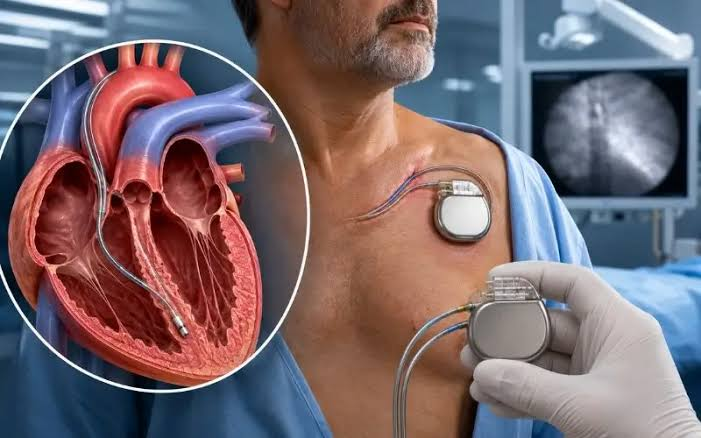
A pacemaker is a small electronic device designed to monitor and regulate the heartbeat. It sends electrical impulses to the heart when the natural electrical system cannot maintain an adequate heart rate.
Most conventional pacemakers consist of two main components: a pulse generator containing the battery and electronic circuitry, and one or more leads that carry electrical signals to the heart.
Some patients may also be suitable for leadless pacemakers. These compact devices are placed directly inside the heart without conventional leads.
The type of pacemaker recommended depends on the patient's diagnosis, heart function and overall medical condition.
Heart Conditions That May Require a Pacemaker
Pacemakers are primarily recommended for specific electrical problems affecting the heart. A cardiologist or electrophysiologist may consider implantation in the following situations:
1. Bradycardia
Bradycardia refers to a slower-than-normal heart rate. When it causes symptoms or affects blood circulation, a pacemaker may help maintain an appropriate rhythm.
2. Heart Block
Heart block occurs when electrical signals travelling through the heart's conduction system become delayed or interrupted. Depending on its severity, a pacemaker may be necessary.
3. Sick Sinus Syndrome
This condition affects the heart's natural pacemaker, known as the sinus node. It can cause an unusually slow heartbeat or alternating periods of slow and fast rhythms.
4. Selected Heart Failure Cases
Cardiac resynchronisation therapy (CRT) may be recommended for certain patients with heart failure and electrical conduction abnormalities. It helps synchronise the contractions of the heart's chambers.
How Does the Pacemaker Implantation Procedure Work?
Before undergoing heart pacemaker surgery in UAE, patients receive a detailed evaluation to determine whether implantation is appropriate. This assessment may include an electrocardiogram (ECG), echocardiogram, Holter monitoring and blood investigations.
The conventional implantation procedure generally involves the following steps:
-
Anaesthesia: Local anaesthesia is administered around the implantation area. Sedation may also be provided.
-
Incision: A small incision is made, usually below the collarbone.
-
Lead Placement: Thin insulated wires are guided through a vein into the appropriate heart chambers.
-
Device Connection: The leads are connected to the pulse generator, which is positioned beneath the skin.
-
Device Testing: The specialist checks the electrical connections and programmes the device according to the patient's requirements.
Leadless pacemaker implantation follows a different approach, using a catheter inserted through a vein, usually in the groin.
The procedure typically takes one to two hours for conventional implantation, although the duration can vary depending on its complexity.
What Are the Advantages of Pacemaker Treatment?
A pacemaker can help patients manage symptoms caused by certain heart rhythm disorders. Its potential benefits include:
-
Heartbeat Regulation: Helps maintain an appropriate heart rate when the natural electrical system is impaired.
-
Reduced Symptoms: May improve dizziness, fainting and fatigue caused by slow heart rhythms.
-
Better Daily Functioning: Patients may experience improved ability to perform everyday activities.
-
Long-Term Rhythm Support: Provides continuous monitoring and pacing when required.
-
Specialised Cardiac Support: CRT devices can improve the coordination of heart contractions in selected heart failure patients.
The results vary according to the patient's condition, device type and overall heart health.
Recovery After Pacemaker Implantation
Recovery is an important part of successful pacemaker treatment. After implantation, patients are monitored to confirm that the device is functioning correctly and that there are no immediate complications.
Most patients can return home within a day, depending on their recovery and medical condition.
During the initial recovery period, patients should:
-
Keep the incision area clean and follow wound-care instructions.
-
Avoid heavy lifting and strenuous exercise until cleared by the specialist.
-
Follow recommendations regarding arm movement on the implantation side.
-
Attend scheduled appointments for device monitoring.
-
Take prescribed medications as directed.
Mild discomfort, bruising or swelling around the implantation site can occur. However, increasing redness, discharge, fever or worsening pain should be reported to the medical team.
Most patients can gradually return to their normal routines. They should also carry their pacemaker identification card and inform healthcare professionals about the implanted device before undergoing medical procedures.
Are There Any Risks Associated with Pacemaker Surgery?
Like other medical procedures, pacemaker implantation carries certain risks. Although complications are not common, patients should understand the possibilities before treatment.
Potential complications include:
-
Infection at the implantation site.
-
Bleeding or bruising.
-
Blood vessel damage.
-
Movement of the pacemaker leads.
-
Rare complications involving the lungs or heart.
A specialist evaluates individual risk factors and explains the precautions required before and after implantation.
Finding the Right Cardiac Specialist in the UAE
Selecting an experienced cardiac electrophysiologist is essential when considering treatment for heart rhythm disorders. Patients should look for specialist expertise, appropriate diagnostic facilities and a clear long-term follow-up plan.
The Heart.ae offers specialised care for heart rhythm conditions under the guidance of Dr Moutaz El Kadri, a cardiac electrophysiologist with extensive qualifications and experience in electrophysiology.
Patients researching heart pacemaker surgery in UAE can explore treatment information and specialist cardiac services through The Heart. A consultation can help determine the most suitable approach based on individual medical needs.
Frequently Asked Questions
1. Who is an ideal candidate for a pacemaker?
Patients with symptomatic bradycardia, significant heart block or certain other electrical conduction disorders may be suitable candidates. A specialist assessment is necessary.
2. How long does pacemaker implantation take?
Conventional pacemaker implantation usually takes around one to two hours. The duration depends on the device and complexity of the procedure.
3. Can a patient feel the pacemaker working?
Most patients do not feel the electrical impulses delivered by a pacemaker. The device operates automatically when pacing is required.
4. Can someone exercise after pacemaker implantation?
Yes. Many patients can return to physical activities after recovery. The type and intensity of exercise should be discussed with the treating specialist.
5. How long does a pacemaker last?
A pacemaker's battery generally lasts several years. Its lifespan depends on the device model, settings and how frequently pacing is required.
6. Is hospital admission necessary after implantation?
Some patients can return home on the same day, while others may need overnight observation.
7. Can a person travel by air with a pacemaker?
Yes. Most patients with pacemakers can travel by air. They should carry their device identification card and follow airport security guidance.
8. Does a pacemaker cure heart disease?
A pacemaker manages specific electrical rhythm problems. It does not cure underlying heart disease or replace other treatments that may be necessary.
Conclusion
Pacemaker implantation is an established treatment option for patients with certain heart rhythm disorders. It can help maintain an appropriate heartbeat, reduce related symptoms and support everyday activities.
Before choosing heart pacemaker surgery in UAE, patients should understand their diagnosis, available device options, procedural risks and long-term monitoring requirements. Consulting an experienced cardiac electrophysiologist helps ensure that treatment decisions are based on individual medical needs and appropriate clinical evaluation.











Comments (0)