

Debris Removal in Granite City, IL: Yard, Shed, and Old Fence Waste
Clear out yard waste, shed remains, and old fence panels with dependable debris removal in granite city, il. Plan pickup, loading, sorting, and disposal with less hassle
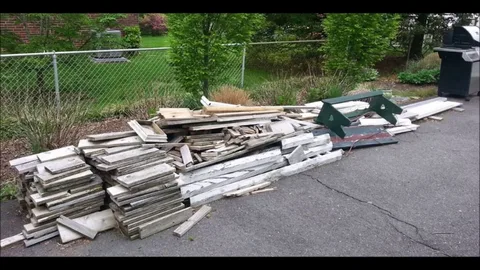
Yard cleanups often leave behind branches, brush, broken boards, and other bulky waste. For a local hauling option, J&S Hauling and Junk Removal may help move the heavier pieces after a cleanup or small demolition job. A shed tear-down can add nails, panels, roofing, and mixed construction debris to the pile. For homeowners and property managers, debris removal in granite city, il can bring yard waste, shed remains, and old fence materials together into one organized removal plan.
Key Takeaways
-
Yard, shed, and fence waste may need different sorting and disposal steps.
-
Nails, rotten wood, glass, and heavy pieces can create safety risks.
-
Clear access and an accurate debris description help the pickup run smoothly.
-
Special materials should be identified before loading begins.
The best approach is to separate reusable items from waste, keep people away from unstable piles, and confirm what the disposal site accepts. A well-planned pickup saves time and helps prevent usable material, recyclable metal, and ordinary trash from being mixed together.
Why This Mix of Waste Needs a Plan
Yard debris is usually made up of branches, leaves, brush, grass clippings, and small roots. This type of green waste may be handled differently from treated lumber or household trash. Keeping natural material separate can make disposal easier and may reduce the amount sent to a landfill when local facilities accept it for composting or other processing.
Shed waste tends to be less predictable. A small structure may contain wood siding, roof shingles, windows, shelving, wire, and old tools. Demolition debris can also hide loose nails or sharp screws. Before anyone begins loading, the area should be checked for unstable walls, exposed fasteners, broken glass, and items that could contain fuel or chemicals.
Old fence waste often includes long boards, posts set in concrete, metal gates, and tangled wire. Fence posts can be heavy even when the wood looks worn. Concrete chunks may damage a driveway or be difficult to lift safely. Cutting long pieces into manageable sections, when safe and allowed, can improve handling and reduce the space needed in a hauling vehicle.
What Debris Removal Usually Covers
A removal plan may include gathering loose yard waste, taking down remaining shed parts, and collecting fence panels or posts from the property. It may also include loading the material, sweeping the work area, and transporting the waste to an approved disposal, recycling, or transfer location. The exact work depends on the material, pile size, access, and whether any dismantling remains.
Metal hinges, wire, gates, and certain tools may have recycling value. Clean wood may be accepted separately from painted, treated, or rotted boards. Shingles, concrete, soil, and mixed trash may each have different handling rules. Sorting before pickup gives the hauler a clearer picture of the job and reduces surprises at the disposal facility.
-
Yard waste can include brush, branches, leaves, and grass clippings.
-
Shed debris may include wood, roofing, windows, shelving, and hardware.
-
Fence waste can include panels, posts, wire, gates, and concrete footings.
-
Recyclable metal should be separated when practical.
-
Chemicals, fuel, paint, and other restricted items need special attention.
One common question is whether every item can go into the same load. Usually, mixed materials can be collected together, but they may still need to be separated later for proper disposal. Items such as propane cylinders, wet paint, asbestos-containing materials, and unknown liquids should be identified before scheduling because ordinary hauling may not cover them.
Planning the Work Before Pickup
The first step is to estimate what needs to leave the property. A simple list can note the number of fence panels, the rough size of the shed, the length of the debris pile, and whether concrete or soil is included. Photos taken from several angles can also show narrow gates, steps, low branches, or other access limits.
Access affects both safety and the time needed for loading. The path from the pile to the vehicle should be clear of toys, planters, hoses, and loose tools. If debris is placed near the curb, property owners should check whether local rules or neighborhood conditions allow it there. A pile should not block sidewalks, drains, driveways, or nearby entrances.
For Granite City yard waste, the most useful preparation is often simple separation. Branches and brush can be kept in one area, while lumber, metal, and concrete remain in separate piles. This makes the material easier to inspect and helps prevent small sharp objects from hiding under soft green waste.
-
Describe the material instead of giving only a general pile size.
-
Keep children and pets away from sharp or unstable debris.
-
Clear a safe path from the pile to the loading area.
-
Set aside items that may need special disposal.
A practical tip is to remove personal items before the crew arrives. Old sheds sometimes hold tools, papers, paint cans, or family belongings that should not be discarded. Another useful step is to mark anything that must stay, especially when several piles are close together.
Choosing Debris Removal in Granite City, IL
When comparing hauling options, property owners should ask what the service includes. Some providers only collect material that is already loose and ready to load. Others may handle light dismantling, cutting, or sweeping, while larger demolition work may require a separate contractor. Clear questions prevent a simple pickup from turning into an unfinished project.
A removal quote can also depend on volume, weight, material type, labor, travel, and disposal charges. A pile of dry branches is handled differently from a load containing concrete, shingles, or wet soil. The most accurate estimate usually comes from a detailed description and clear photos rather than a short label such as shed cleanup.
A search for junk removal Granite City may bring up several service types, but not all of them handle building materials or outdoor debris. Providers should be asked whether they accept fence posts, roofing, treated wood, concrete, and mixed demolition waste. They should also explain whether sorting and final cleanup are included.
-
Confirm that the provider handles the types of debris on site.
-
Ask whether loading, dismantling, and sweeping are included.
-
Share photos and access details before receiving an estimate.
-
Check how restricted or recyclable materials will be handled.
The lowest quote may not be the best fit if it excludes heavy materials, extra labor, or disposal fees. A clear written scope is more useful than a vague promise to remove everything. Property owners should also confirm the pickup window and make sure the vehicle can reach the loading area without damaging landscaping or pavement.
Common Problems to Avoid
One frequent mistake is placing new waste on top of an older pile without checking what is underneath. Hidden wire, glass, and nails can injure anyone who tries to move it. Another problem is leaving fence posts or concrete mixed with light branches, which makes the load harder to sort and may affect the final disposal charge.
Shed demolition can also create more waste than expected when walls, flooring, and roofing come apart. If the structure is unstable, it should not be entered or pulled apart without a safe plan. In some cases, a building may contain old insulation, electrical parts, or other materials that need a qualified assessment before removal.
Property owners should avoid burning or burying unwanted materials. Those actions can create smoke, soil, water, and fire risks, and they may not follow local requirements. Proper disposal keeps the cleanup from creating a second problem elsewhere.
Frequently Asked Questions
Can yard waste and construction debris be hauled together?
They may be collected during the same visit, but natural yard waste, lumber, metal, shingles, and concrete often need separate handling. The provider should know about the mixed load before pickup so the vehicle and disposal plan fit the material.
Does a shed need to be empty before removal?
An empty shed is easier and safer to take apart. Property owners should remove tools, chemicals, glass containers, and personal items first. If the shed remains standing, they should also report its size, condition, and any attached utilities.
Can old fence posts with concrete be removed?
They can often be collected, but posts with concrete are heavier and may need extra labor. The estimate should state whether digging, cutting, or lifting the footings is included. Loose concrete should be kept separate from branches and light wood.
What happens to metal fence parts?
Metal gates, wire, hinges, and some fasteners may be directed to a recycling facility when accepted. Rust or mixed attachments do not always prevent recycling, but the final decision depends on the receiving facility and the condition of the material.
Should property owners dismantle a shed themselves?
They should consider the shed’s condition before starting. Rotten framing, unstable walls, exposed nails, and damaged roofing can make dismantling unsafe. If the structure is weak or contains unknown materials, professional assessment may be safer than taking it apart without help.
How can a removal estimate be more accurate?
Photos, measurements, material details, and access information give the hauler a better view of the work. Notes about stairs, narrow gates, long carries, concrete, and restricted items are especially helpful. Accurate details reduce the chance of delays or added charges.
Final Thoughts
Yard waste, shed remains, and old fence materials are common after outdoor improvement projects, but they should not be treated as one simple pile. Sorting the material, checking for hazards, preparing access, and confirming disposal needs can make removal safer and more predictable. With those steps handled early, property owners can clear the site without overlooking items that require separate care.
Arrange the Next Step
Property owners who are ready to clear a yard, shed, or fence area can start by listing the waste, checking site access, and noting any items that need special handling. A clear description helps a hauler explain the next steps and prepare the right crew and vehicle. Scheduling removal before the debris spreads keeps the project area safer and easier to use. Local disposal questions can be addressed during the initial conversation so expectations are clear before work begins onsite.

Hi, I’m Freya Parker, an automotive expert focused on helping car owners make smarter decisions when selling their vehicles. I specialise in breaking down the car-selling process in a simple, practical way from understanding your car’s real value to reading market trends and spotting the right time to sell. My goal is to give you clear, honest guidance so you can confidently get the best possible price for your car without confusion or stress. Whether you’re selling for the first time or just want a better deal, I’m here to make the process straightforward, transparent, and rewarding














Comments (0)