

Is Gelatine Halal? E441, E470 and the Additives That Decide Your Food
Gelatine is the single ingredient that decides more halal questions than any other. This guide works through gelatine and the additives around it, E441, E470a, E470b, E422, E120, E150d and E471, plus vanilla extract, whey and lard.

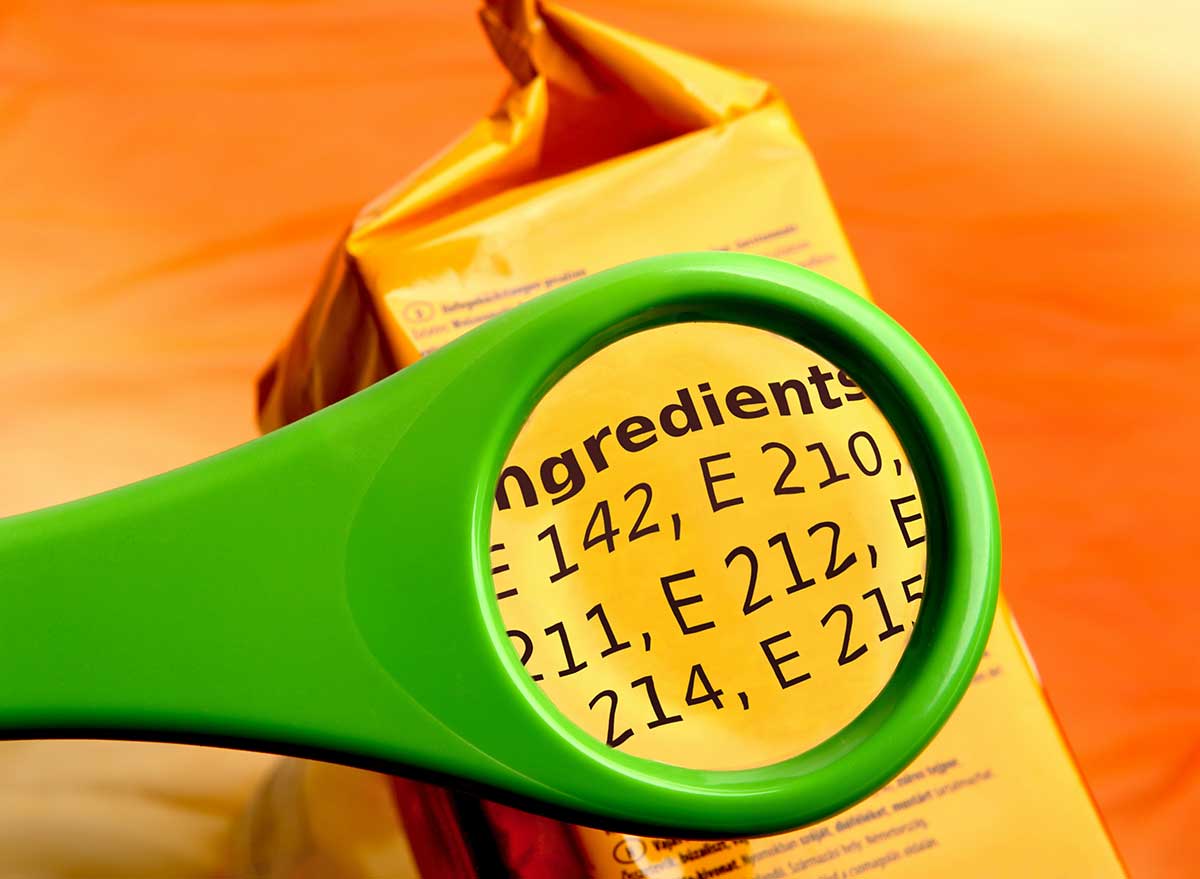
Gelatine is the single ingredient that decides more halal questions than any other. It hides in sweets, yoghurt, cakes, capsules and sauces, and it is almost never labelled with its source. This guide works through gelatine and the additives around it, E441, E470a, E470b, E422, E120, E150d and E471, plus vanilla extract, whey and lard, using the same method as always: check what it is, check where it comes from, and say plainly where the answer is doubtful rather than settled.
The facts here were researched in November 2026 from official sources and from Halal Check Online (https://halalcheckonline.com/), a free browser checker that covers 336 E-numbers and 126 named ingredients, with no app and no sign-up.
Why gelatine decides so many questions
Gelatine is made from collagen, taken from animal skin, bones and connective tissue. The animal can be a pig, a cow or a fish, and the label usually just says gelatine. That is the whole problem. If the source is not stated, you cannot settle the question from the label alone.
Halal Check Online lists E441, gelatine, as doubtful, and the full entry at is E441 halal (https://halalcheckonline.com/e-numbers/e441/) explains why. Other checkers treat it as not halal unless the source is verified. Either way, the rule is the same: do not assume a product with gelatine is halal. Look for a halal gelatine statement, a fish gelatine statement, or a recognised halal logo.
In a check of 1,318 UK products on Halal Check Online, only 6.0% contained a clearly haram ingredient, but 51.7% contained at least one doubtful ingredient. Gelatine and the additives in this guide are a large part of that doubtful half.
E470a and E470b: the fatty acid salts
E470 is not one additive. The site splits it into two entries, because the two forms behave differently, and the bare E470 page returns a 404, so link the two pages, not the bare code.
E470a, sodium, potassium and calcium salts of fatty acids. These are used as emulsifiers and anti-caking agents in bread, cakes and powdered foods. Halal Check Online lists E470a as doubtful, because the fatty acids can come from plant oils or animal fats. Read the entry at is E470a halal (https://halalcheckonline.com/e-numbers/e470a/).
E470b, magnesium salts of fatty acids. The same question, with magnesium instead of sodium, potassium or calcium. Halal Check Online also lists E470b as doubtful for the same reason. Read the entry at is E470b halal (https://halalcheckonline.com/e-numbers/e470b/).
For both, the question is the source of the fatty acids. Plant based is fine. Animal based depends on the animal and on how it was slaughtered. When the label does not say, the honest answer is doubtful.
E422: glycerol
Glycerol, also called glycerine, is used as a sweetener, a humectant and a solvent in food, toothpaste and medicines. It can be made from plant oils or from animal fats. Halal Check Online's entry at is E422 halal (https://halalcheckonline.com/e-numbers/e422/) sets out the position. As with E470, the source decides it, and the source is often not stated on the label. Vegetable glycerine is the version to look for.
E471: the emulsifier in almost everything
E471, mono and diglycerides of fatty acids, is one of the most common additives in the supermarket. It is in bread, cakes, ice cream, margarine and biscuits. The fatty acids can come from plants or animals, so Halal Check Online lists it as doubtful when the source is not stated. It was the fifth most common doubtful flag in the 1,318-product check, appearing in 73 products. If you eat bread, cakes or ice cream, E471 is the code you will meet most often, and it is worth learning.
E120: carmine
E120, carmine, is a red colour made from cochineal insects. Whether it is an issue depends on your school of thought, and Halal Check Online lets you set that in its settings. Read the entry at is E120 halal (https://halalcheckonline.com/e-numbers/e120/). It is found in red sweets, drinks, yoghurts and cosmetics, so it is worth knowing even though it is not a gelatine or a fat.
E150d: caramel colour
E150d is the caramel colour used in cola, sauces and baked goods. It is made from sugar, and the entry at is E150d halal (https://halalcheckonline.com/e-numbers/e150d/) gives the full position. It is one of the simpler codes to clear, and it is a useful contrast with the codes above: not every E-number is a problem, and a short check can clear a worry in seconds.
Vanilla extract: the alcohol question
Vanilla extract is often listed as doubtful, because it is commonly made by soaking vanilla beans in alcohol. Halal Check Online's page on is vanilla extract halal (https://halalcheckonline.com/ingredients/vanilla-extract/) sets out the issue. Vanilla flavouring, which is usually made without alcohol, is a different product from vanilla extract, so read the label and check which one the product actually contains.
Whey: the cheese question
Whey is the liquid left over when milk is turned into cheese, and it is used in protein powders, bread, biscuits and chocolate. The question is the rennet used to make the cheese. If the rennet came from an animal, the whey carries the same question. Halal Check Online's page on is whey halal (https://halalcheckonline.com/ingredients/whey/) explains it. Whey was one of the most common doubtful flags in the 1,318-product check, appearing in 116 products.
Lard: the clear one
Lard is pork fat, and it is haram. There is no source question and no school-of-thought question. Halal Check Online's page on is lard halal (https://halalcheckonline.com/ingredients/lard/) states it plainly. Lard is found in some pastries, biscuits and fried foods, and in the 1,318-product check pork was the most common haram reason, in 36 products. If a product lists lard, the answer is settled.
A short checklist for additives
- If the label says gelatine, E441, E471, E470a, E470b or E422, ask where it came from. If the source is not stated, treat it as doubtful.
- Learn the five most common doubtful flags: flavourings with no stated source, emulsifier with no stated source, whey, cheese with unstated rennet, and E471.
- Do not link or trust the bare E470 page. Use E470a and E470b, which are the real entries.
- For vanilla, check whether it is extract or flavouring. Extract is usually made with alcohol.
- Lard means pork fat, and the answer is haram.
- When two checkers disagree, read both reasons. Disagreement usually comes from a different rule for doubtful ingredients, not from a mistake.
Frequently asked questions
Is gelatine halal? It depends on the source. Gelatine can come from pork, beef or fish, and the source is often not stated. Halal Check Online lists E441 as doubtful. Check the entry at is E441 halal (https://halalcheckonline.com/e-numbers/e441/).
What is the difference between E470a and E470b? Both are salts of fatty acids. E470a uses sodium, potassium or calcium. E470b uses magnesium. Both are listed as doubtful when the source of the fatty acids is not stated.
Is E422 halal? Glycerol can come from plant oils or animal fats, so the source decides it. Look for vegetable glycerine, and check the entry at is E422 halal (https://halalcheckonline.com/e-numbers/e422/).
Is whey halal? It depends on the rennet used to make the cheese the whey came from. If the source is not stated, treat it as doubtful.
Is lard halal? No. Lard is pork fat, and it is haram.












Comments (0)