

Hand Shower Buying Guide: Features, Benefits, and Tips for Modern Bathrooms
Discover how to choose the right hand shower for modern bathrooms with tips on quality, water flow, design, maintenance, and durability.


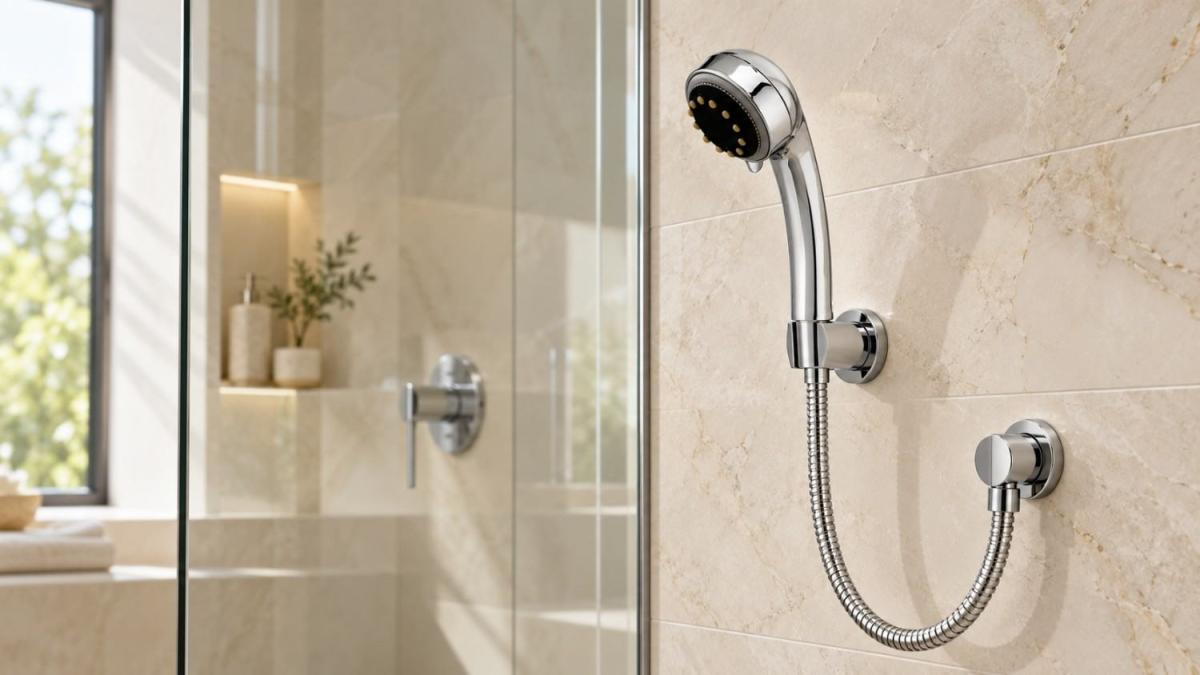
Bathroom design has evolved beyond basic functionality. Today, homeowners, architects, hotel operators, and property developers look for fittings that combine convenience, durability, and attractive design. Among these essential fittings, a hand shower offers a practical solution for everyday bathing and bathroom cleaning.
Unlike a fixed shower head, a handheld shower allows users to direct the water flow according to their needs. This flexibility makes it useful in residential bathrooms, hospitality spaces, apartments, and other commercial properties. However, choosing the right product requires careful consideration of material quality, water pressure, installation requirements, and maintenance.
Understanding these factors can help buyers select a suitable bathroom fitting while avoiding unnecessary replacement and compatibility issues.
Why Are Hand Showers Becoming Popular in Modern Bathrooms?
A hand shower provides greater control over water direction, making everyday bathing more convenient. Its flexible design is particularly useful when users need to rinse specific areas or clean a shower enclosure.
In family bathrooms, adjustable positioning can accommodate different user preferences. In hotels and serviced apartments, a handheld shower can improve bathroom usability by offering an additional bathing option alongside a fixed or overhead shower.
Another advantage is design flexibility. Hand showers are available in different shapes, finishes, and mounting arrangements, allowing them to complement contemporary, minimalist, and traditional interiors.
For homeowners and project buyers comparing available options, the Hand Shower range from Speed Bath Tech is a useful reference when exploring bathroom shower products.
What Features Should You Check Before Buying a Hand Shower?
A suitable product should meet the bathroom's functional requirements while fitting the available plumbing arrangement. The following features deserve attention before making a purchase.
1. Construction and Material Quality
The materials used in the shower body, connectors, hose, and internal components can influence durability and maintenance requirements. Buyers should review the manufacturer's specifications instead of relying only on appearance.
A well-finished surface can complement the bathroom's overall design. However, finish quality, cleaning practices, and exposure to hard water also affect long-term appearance.
For bulk purchases, request technical documentation and clarify the materials used in the specific model being considered.
2. Spray Pattern and Water Flow
Different hand showers may offer a single spray pattern or multiple settings. The right choice depends on the intended application, user preference, and available water pressure.
Before purchasing, check the recommended operating pressure and stated flow rate, where available. A shower head cannot necessarily compensate for inadequate plumbing pressure, so the complete water supply arrangement should be considered.
For water-conscious projects, comparing documented flow rates can help buyers evaluate potential consumption without relying on unsupported water-saving claims.
3. Hose Length and Flexibility
The hose influences how comfortably the shower can be handled. Its length should suit the bathroom layout, mounting height, and intended range of movement.
Check the connector dimensions and compatibility with the existing shower fitting. For renovation projects, confirming these details before installation can help prevent leakage and unnecessary modification.
How Can a Hand Shower Improve Everyday Bathroom Convenience?
The main advantage of a handheld shower is flexibility. Users can direct the spray more precisely than with many fixed shower heads, making it convenient for rinsing and routine bathroom cleaning.
It can also complement other shower fittings. For example, combining a hand shower with an overhead shower provides users with two different ways to direct water, provided the plumbing system supports the selected arrangement.
These practical benefits explain why hand showers remain a relevant choice across different bathroom types.
Why Should Builders and Dealers Work with Reliable Hand Shower Manufacturers?
Builders, distributors, contractors, and hospitality procurement teams have requirements that extend beyond product design. They need dependable specifications, consistent supply, suitable pricing, and clear communication throughout the purchasing process.
Partnering with experienced Hand Shower Manufacturers can help buyers evaluate product ranges and discuss requirements for residential or commercial projects.
Before confirming an order, procurement teams should consider the following:
-
Product specifications: Verify dimensions, materials, connection details, and operating-pressure recommendations.
-
Quality assurance: Ask about inspection procedures and request relevant supporting documentation.
-
Bulk-order planning: Discuss quantities, lead times, packaging, and delivery schedules.
A competitive quotation is useful, but it should be evaluated alongside product suitability and documented quality information. This approach helps buyers make informed purchasing decisions and manage project expectations more effectively.
How Do You Maintain a Hand Shower Properly?
Regular care can help maintain water flow and preserve the fitting's appearance. Fortunately, routine maintenance does not need to be complicated.
Wipe the shower head and hose with a soft cloth to reduce water spots and soap residue. If the spray nozzles become blocked by mineral deposits, follow the manufacturer's recommended cleaning procedure.
Avoid abrasive scrubbers and harsh cleaning chemicals that may damage the finish. Periodically inspect the hose, connectors, and mounting bracket for visible wear, looseness, or leakage.
If water flow decreases unexpectedly, check for blocked nozzles and other possible plumbing issues before assuming the shower head needs replacement. Where the problem persists, consult a qualified plumber.
For commercial properties, incorporating basic fitting inspections into routine maintenance schedules can help identify issues before they cause greater inconvenience.
Conclusion
A hand shower is a practical addition to modern bathrooms, offering flexibility, convenient water direction, and compatibility with a variety of interior styles. The best choice depends on material specifications, spray performance, hose design, installation conditions, and maintenance requirements.
For builders, dealers, and hospitality buyers, supplier evaluation is equally important. Reviewing technical documentation, confirming availability, and clarifying warranty terms can make procurement more predictable.












Comments (0)