

Uterine Artery Embolization: Understanding a Non-Surgical Treatment Approach
Explore uterine artery embolization, including how the procedure works, potential benefits, recovery, risks, and its role in managing fibroid and adenomyosis symptoms.

Uterine fibroids and adenomyosis can affect daily life by causing heavy menstrual periods, pelvic discomfort, abdominal pressure, and other challenging symptoms. Learning about available treatment approaches can help patients discuss their options with a healthcare professional and choose care that fits their individual needs.
Uterine Artery Embolization (UAE) is a minimally invasive procedure that reduces blood flow to targeted tissue in the uterus. It is commonly used to treat uterine fibroids and may be considered for adenomyosis in selected cases. The procedure offers an alternative to some surgical treatments without requiring removal of the uterus.
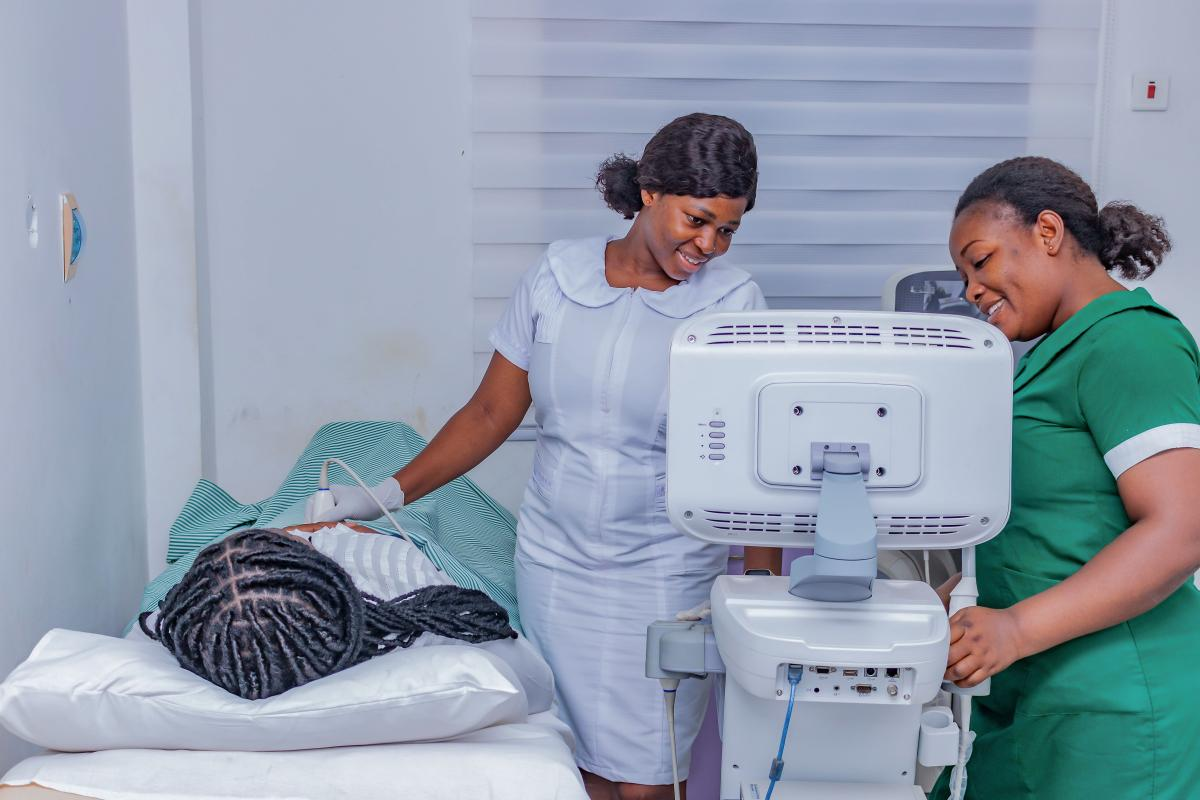
What Is Uterine Artery Embolization?
Uterine artery embolization involves blocking selected blood vessels that supply fibroids or other targeted uterine tissue. An interventional radiologist guides a thin catheter through an artery and delivers tiny embolic particles to reduce the blood supply. Over time, treated fibroids may shrink, helping relieve symptoms such as heavy bleeding and pelvic pressure.
The procedure is different from a hysterectomy, which removes the uterus. UAE aims to manage symptoms while preserving the uterus, although it may not be suitable for every patient.
Why Is UAE Performed?
UAE is primarily used to manage symptoms associated with uterine fibroids. Depending on the patient's diagnosis, potential reasons for considering treatment include:
- Heavy or prolonged menstrual bleeding
- Pelvic pain or pressure
- A feeling of fullness in the lower abdomen
- Frequent urination caused by pressure on the bladder
- Fibroid-related symptoms that interfere with everyday activities
For adenomyosis, where tissue similar to the uterine lining grows within the muscular wall of the uterus, embolization may be an option for selected patients. The expected benefits and evidence differ by condition, so an individualized assessment is important.
What Happens During the Procedure?
The treatment generally begins with a medical evaluation, which may include imaging tests and a review of symptoms and medical history. These steps help the care team identify the cause of symptoms and determine whether embolization is appropriate.
During the procedure, the patient receives medication for comfort. The specialist inserts a catheter through a small puncture, usually in the wrist or groin, and uses imaging to guide it toward the uterine arteries. Tiny particles are then released to reduce blood flow to the targeted tissue.
Afterward, the patient is monitored and receives instructions for managing discomfort and returning to normal activities. Recovery varies, and cramping, fatigue, nausea, or a mild fever may occur temporarily.
Potential Benefits of UAE
One potential advantage of UAE is that it treats fibroids without major abdominal surgery. Patients may experience lighter menstrual bleeding, reduced pelvic pressure, and improvement in other fibroid-related symptoms. Recovery is often shorter than after major surgery, although the experience varies from person to person.
UAE can treat multiple fibroids during one procedure. However, symptoms may persist or return, and some patients may need additional treatment later. For adenomyosis, the response can vary, and the procedure should be discussed with a specialist familiar with the condition.
Understanding the Risks
Like other medical procedures, UAE carries possible risks and side effects. Temporary pelvic cramps, nausea, fatigue, and a mild fever can occur during recovery. Less common complications include infection, bleeding, injury to a blood vessel, or changes in ovarian function.
Anyone considering UAE should also discuss future pregnancy plans with their healthcare provider. Although the uterus is preserved, the procedure's effects on fertility and pregnancy outcomes require careful consideration.
Is Uterine Artery Embolization Right for You?
Suitability depends on the diagnosis, symptom severity, imaging findings, medical history, and treatment goals. A healthcare professional can explain how UAE compares with medication, myomectomy, hysterectomy, and other options.
Patients should ask about expected symptom improvement, recovery time, possible complications, and the likelihood of needing further treatment. Understanding these factors can make it easier to select an approach that aligns with personal priorities.
Conclusion
Uterine artery embolization is a minimally invasive treatment that can help manage uterine fibroid symptoms and may be considered for adenomyosis in selected cases. By reducing blood flow to targeted tissue, it may relieve symptoms while preserving the uterus. A consultation with a qualified specialist can help determine whether this approach is appropriate.
For further educational information about uterine fibroids and treatment choices, visit USA Fibroid Centers and explore the resources available to support informed healthcare decisions.

Fibroid Treatment Expert












Comments (0)