

Why Medical Assessment Matters Before STD Testing at Tajmeels Clinic
why medical assessment before STD testing in Dubai helps identify suitable tests, understand exposure risks, and support accurate results and follow-up care.

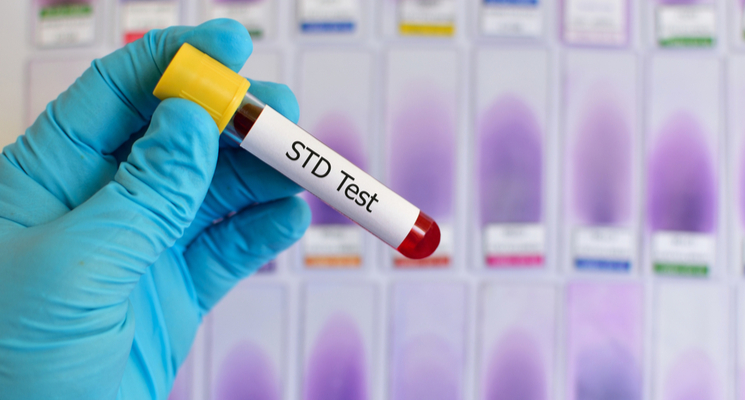
Sexually transmitted diseases (STDs), also known as sexually transmitted infections (STIs), can affect people even when they do not experience noticeable symptoms. Testing is an important step in identifying infections, protecting sexual health, and reducing the risk of transmission. However, choosing the appropriate test is not always straightforward. Different infections require different testing methods, and the ideal testing time can vary depending on the type of exposure.
A medical assessment before STD Test in Dubai helps healthcare professionals understand a patient's symptoms, medical history, potential exposure, and individual testing needs. This information supports a more appropriate testing plan rather than relying on a one-size-fits-all approach.
How Medical Assessment Helps Identify the Right STD Tests
Not every STD test detects every sexually transmitted infection. Some tests use blood samples, while others require urine samples or swabs from specific body sites. The appropriate method depends on the infection being investigated and the patient's circumstances.
During a medical assessment, a healthcare professional may consider several factors:
-
Symptoms: Discomfort during urination, unusual discharge, sores, rashes, or genital irritation may influence which infections need investigation.
-
Exposure history: The type and timing of possible exposure can help determine which tests may be appropriate.
-
Previous testing: Earlier test results and treatment history can provide useful clinical information.
-
Individual risk factors: A person's sexual health history may help guide screening recommendations.
-
Existing health conditions: Certain medical conditions or medications may affect the assessment and subsequent care.
This process can help avoid unnecessary testing while reducing the likelihood of overlooking relevant infections. The final testing plan should be based on clinical judgment and established screening recommendations.
Why the Timing of STD Testing Matters
One important reason to seek medical advice before testing is the window period. This refers to the time between acquiring an infection and the point at which a particular test can reliably detect it.
Testing too soon after exposure may produce a negative result even when an infection is present. The window period differs by infection and testing method, so there is no single waiting period that applies to every STD test.
A medical assessment helps determine whether testing is appropriate immediately, whether repeat testing may be necessary, or whether additional precautions should be taken while waiting. If a person has symptoms or a known exposure, they should seek prompt medical advice rather than delaying care simply to reach a particular testing date.
Anyone who may have been exposed to HIV within the previous 72 hours should seek urgent medical care to discuss post-exposure prophylaxis (PEP), which must be started within that period to be effective.
The Role of Medical History and Symptom Evaluation
An accurate medical history helps healthcare professionals interpret a patient's needs more effectively. During an assessment, they may ask about recent symptoms, previous sexually transmitted infections, past test results, current medications, and the approximate timing of possible exposure.
These questions are intended to support clinical decision-making, not to judge personal behaviour. Providing accurate information helps the healthcare professional recommend relevant tests and explain their limitations.
It is also important to remember that the absence of symptoms does not rule out an infection. Chlamydia, gonorrhoea, HIV, and other infections may sometimes remain unnoticed. Depending on individual circumstances, screening may be recommended even when a person feels completely well.
Supporting Accurate Results and Appropriate Follow-Up
Medical assessment is valuable not only before testing but also when results become available. A negative result must be interpreted in the context of the test used, the time since exposure, and the infection being investigated.
For example, a negative result obtained during an infection's window period may not exclude infection. A healthcare professional may recommend repeat testing when clinically appropriate.
Similarly, a reactive or positive screening result may require confirmatory testing, depending on the test and infection. Patients should receive clear explanations of what their results mean and what steps may follow.
If an infection is confirmed, appropriate care may include treatment, partner notification guidance, and recommendations for follow-up testing. Patients should follow professional advice regarding sexual activity during treatment and any recommended period of avoiding transmission.
Privacy and Comfortable Communication During STD Screening
Sexual health can be a sensitive subject, and concerns about privacy may prevent some people from seeking testing. A professional assessment provides an opportunity to discuss symptoms, exposure concerns, and testing preferences in a clinical setting.
Patients should feel comfortable asking about confidentiality, how their information is handled, which tests are being recommended, and when results are expected. Healthcare providers should explain relevant procedures and limitations clearly.
In Dubai, patients should also understand that confidentiality is subject to applicable healthcare regulations and any legal reporting requirements. Asking about privacy practices before an appointment can help clarify what to expect.
STD Testing at Tajmeels Clinic
At tajmeels clinic dubai, patients considering STD testing can discuss their concerns and the importance of an appropriate medical assessment before proceeding. A healthcare professional can review relevant symptoms and medical history, consider the timing of potential exposure, and explain which testing options may be suitable.
The assessment should also help patients understand sample collection, possible limitations of early testing, and whether follow-up may be needed. Patients are encouraged to share relevant information openly and ask questions about the recommended approach. The specific tests available, consultation process, and follow-up arrangements should be confirmed directly with the clinic.
When Should You Seek Medical Advice About STD Testing?
Consider arranging a medical consultation if you have symptoms that may indicate an infection, have had a possible exposure, have a partner diagnosed with an STD, or need routine screening based on your circumstances.
Seek urgent medical attention for a possible HIV exposure within the previous 72 hours. Severe pain, fever with genital symptoms, or significant testicular or pelvic pain also warrants prompt assessment.
Conclusion
Medical assessment before STD testing helps match testing methods to individual circumstances, account for window periods, and establish appropriate follow-up. It also gives patients an opportunity to understand their results and make informed decisions about sexual health. Choosing a suitable testing approach with qualified healthcare professionals can support timely diagnosis, appropriate treatment, and responsible prevention of further transmission.
More Information
Tajmeels Clinic Dubai
WhatsApp: +971 56 203 8751
Phone: tel:+971 43739000
Social Media:

Tajmeels clinic is different from other cosmetic resorts because our doctors are specialized in their fields from the best organizations in the world












Comments (0)