

What Should You Look for in a Herbal Pain Balm?
Learn what to look for in a herbal pain balm, from natural ingredients and skin safety to product quality, application tips, and everyday comfort.

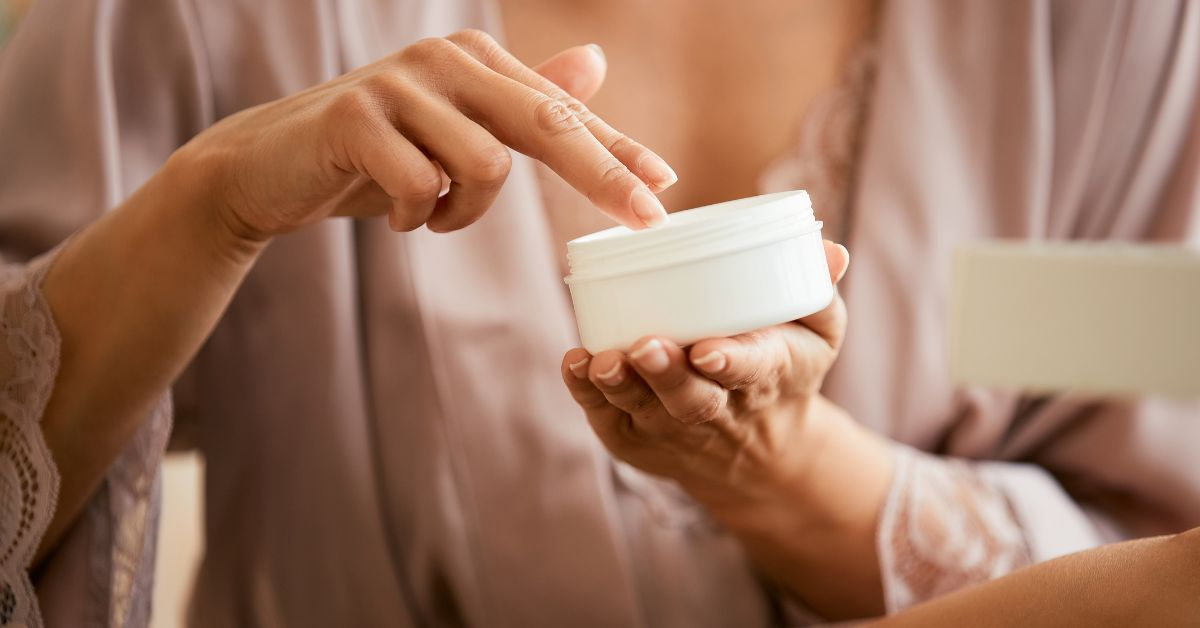
Muscle soreness, stiff joints, and everyday aches can make even simple activities feel uncomfortable. Whether you spend long hours at a desk, exercise regularly, work on your feet, or manage occasional back and shoulder tension, finding a convenient way to support physical comfort can make a difference.
For many wellness-conscious people, herbal topical products offer an appealing option. A Natural Pain Relief Balm may combine plant-derived ingredients, aromatic essential oils, and cooling or warming compounds to help ease the sensation of minor muscle and joint discomfort. However, not every product contains the same ingredients, offers the same experience, or suits every skin type.
Choosing the right balm involves more than looking for words such as “natural,” “herbal,” or “plant-based” on a label. Ingredient transparency, appropriate use, product quality, and realistic expectations all matter.
Understanding these factors can help you select a herbal pain balm that fits your needs and supports a more thoughtful wellness routine.
Check the Ingredient List Before Buying
The ingredients are among the most important factors to evaluate when shopping for a herbal pain balm. A product should clearly identify what it contains so you can make an informed decision about its suitability.
Look for a complete ingredient list rather than relying exclusively on front-label marketing. Pay attention to the active ingredients, essential oils, carrier oils, fragrances, and any substances you know may irritate your skin.
Menthol for a Cooling Sensation
Menthol is commonly used in topical products because it activates cold-sensitive receptors in the skin, creating a cooling sensation that can temporarily change how discomfort feels.
In a pain relief balm, menthol may provide a refreshing experience after physical activity or a long day at work. However, the strength of the cooling sensation does not necessarily indicate how effective a product will be for your particular discomfort.
Always follow the product's directions, especially when using menthol-containing products alongside other topical treatments.
Arnica for Topical Wellness Products
Arnica is a botanical ingredient frequently included in massage products and topical preparations designed for areas affected by everyday bumps or soreness.
Its effectiveness depends on the preparation, formulation, and intended use. Evidence for arnica varies by condition and product, so it is best to avoid assuming that every arnica-containing balm has proven pain-relieving benefits.
Arnica can also cause skin reactions in some people, particularly those sensitive to plants in the daisy family. Check the label and discontinue use if irritation develops.
Eucalyptus, Frankincense, and Other Essential Oils
Essential oils are popular in herbal wellness products because of their distinctive aromas and sensory qualities.
Eucalyptus oil may contribute a fresh, cooling scent, while frankincense is valued for its warm, resinous aroma. Ginger and lemongrass oils are also used in some topical blends.
These ingredients can make massage more pleasant, but their presence alone does not establish that a balm will treat inflammation, repair tissue, or resolve chronic pain. Concentration, formulation, and supporting clinical evidence all influence what a product can reasonably offer.
Understand What “Natural” Really Means
The word “natural” can sound reassuring, but it does not automatically mean a product is safer, gentler, or more effective than a conventional alternative.
Plant-derived ingredients contain biologically active compounds. Some can irritate the skin, trigger allergic reactions, or interact with other products. Essential oils, in particular, may cause problems when used at inappropriate concentrations or applied incorrectly.
Look for Transparent Product Information
A trustworthy manufacturer should provide enough information for you to understand what you are buying. Before choosing a balm, check whether the product page or packaging explains:
-
The full ingredient list.
-
The intended use and recommended application method.
-
Relevant warnings and precautions.
-
Storage instructions and expiration information, where applicable.
-
Contact information for the manufacturer.
Be cautious of products that promise to cure arthritis, eliminate all pain, or deliver guaranteed results. These claims deserve scrutiny, particularly when the manufacturer provides little supporting evidence.
Separate Marketing Claims From Evidence
A product described as herbal or organic is not automatically clinically proven. Likewise, a pleasant aroma or a strong cooling sensation does not demonstrate that the ingredients are treating the underlying cause of pain.
Look for clear, measured language about the intended benefits. A topical product may help support temporary comfort, but persistent or unexplained pain may require medical evaluation.
Choose Ingredients That Match Your Needs
Different people experience discomfort for different reasons. Your ideal balm should fit the area you want to treat, your skin's sensitivity, and the kind of sensory experience you prefer.
For example, a person experiencing occasional shoulder tightness after working at a computer may value a product that spreads easily during massage. Someone who exercises regularly might prefer a portable formula for use after activity.
Consider the Intended Application
Read the product instructions to determine whether the formula is intended for massage, targeted application, or another specific use. Do not assume that a product suitable for one body area is appropriate for every area.
Avoid applying topical pain products to broken, irritated, or damaged skin. Keep them away from the eyes, mouth, and other sensitive areas unless the labeling specifically directs otherwise.
Consider Your Skin Type
If you have sensitive skin, a history of contact allergies, or reactions to essential oils, review the ingredients carefully. Fragrance and botanical extracts can be irritants even when they come from natural sources.
When appropriate, follow the manufacturer's instructions for testing a small area of skin before broader use. A patch test cannot guarantee that a reaction will not occur, but it may help identify some sensitivities.
Evaluate the Formula and Application Experience
A herbal pain balm should be practical enough to fit your routine. Texture, absorption, scent, and ease of application can influence whether you find a product comfortable to use.
Texture and Spreadability
A balm or cream with a smooth consistency may be easier to massage into larger areas, such as the shoulders, back, or thighs. A thicker formula may feel more concentrated, while a lighter cream may spread more easily.
Neither texture is automatically better. Choose one that suits your preferences and the manufacturer's intended use.
Absorption and Residue
Some people prefer formulas that absorb without leaving a noticeable greasy film. Others are comfortable with a richer texture that allows more time for massage.
If you plan to use a product before dressing or returning to work, consider whether the manufacturer describes its finish and application experience. Follow directions about washing your hands after application to avoid accidentally transferring the product to your eyes or face.
Scent and Sensory Comfort
Essential oils can give a pain relief balm a distinctive herbal or refreshing aroma. This may make the application process more enjoyable for some people.
However, a strong fragrance may be unpleasant for others or trigger sensitivity. If you are sensitive to scents, prioritize ingredient transparency and consider whether an unscented alternative would better suit you.
Compare Balm, Cream, Oil, Spray, and Roll-On Formats
The format matters because it affects how you apply a product, how portable it is, and how much control you have over the application.
| Product format | Potential advantages | Best consideration |
|---|---|---|
| Balm | Convenient for targeted application and massage | Check how easily it spreads and whether it leaves residue |
| Cream | Often easy to spread across larger areas | Consider texture, absorption, and fragrance |
| Oil | Useful for massage and controlled application | Check for leakage, residue, and ingredient sensitivity |
| Spray | Convenient for quick application and hard-to-reach areas | Follow directions carefully and avoid inhaling the mist |
| Roll-on | Portable and useful for controlled application | Check whether the applicator suits the intended area |
The most suitable option depends on your routine rather than the format alone.
For example, a roll-on may be convenient to carry in a gym bag, while a cream may be easier to massage into a broad area of the back. A spray can simplify application to hard-to-reach areas, provided it is used according to its instructions.
Remember that two products in different formats may have different ingredients and concentrations. Compare their labels instead of assuming that all products from one category work alike.
Pay Attention to Product Quality and Manufacturing Transparency
Quality is about more than attractive packaging. A well-presented product should also provide clear information about its formulation, intended use, and responsible handling.
Review the Manufacturer's Information
Look for a clearly identified company, accessible customer support, and product descriptions that match the information on the packaging.
If a brand discusses ingredient sourcing, production practices, or quality testing, look for specific details rather than broad assurances. Third-party testing or certifications may be useful when relevant, but they should be verified rather than assumed.
Check Packaging and Shelf Life
Packaging should protect the product from contamination and make application straightforward. Containers should close securely, and the label should remain readable.
Follow storage recommendations and check expiration information where provided. Do not use a product if its packaging is damaged, its contents appear unexpectedly changed, or it has developed an unusual odor.
Look for Realistic Claims
Responsible product descriptions explain the intended experience without promising impossible outcomes. Be skeptical of claims that a topical herbal product permanently cures chronic joint conditions or guarantees relief for every user.
A transparent brand helps consumers understand both the potential benefits and the limitations of its products.
Use Your Herbal Pain Balm Safely
Even a plant-based topical product needs to be used carefully. Safe application is especially important when a formula contains menthol, camphor, wintergreen oil, or concentrated essential oils.
Follow the Label Exactly
Use only the recommended amount and frequency. Do not apply more frequently than directed simply because the first application did not produce the desired sensation.
Avoid applying a product to damaged skin or covering the treated area with tight bandages unless the instructions specifically permit it. Do not combine topical pain products without checking with a healthcare professional.
The U.S. Food and Drug Administration has warned that topical pain relievers containing ingredients such as menthol, methyl salicylate, or capsaicin have been associated with rare but serious skin burns. Stop using a product and seek medical advice if you experience significant burning, swelling, blistering, or another concerning reaction.
Be Careful With Heat and Other Treatments
Do not use a heating pad or other external heat source over an area treated with a topical pain reliever unless the product's instructions explicitly allow it. Heat can increase the risk of skin injury with some formulations.
Wash your hands after application, and store the product safely away from children and pets. If you are pregnant, breastfeeding, taking medications, or managing a medical condition, ask a healthcare professional whether the ingredients are appropriate for you.
Know When a Balm Is Not Enough
A topical product may be useful for temporary relief of minor muscle or joint discomfort, but it cannot diagnose the cause of pain.
Seek medical advice for severe, persistent, worsening, or unexplained symptoms. Sudden pain following a significant injury, marked swelling, fever, numbness, or difficulty moving an affected area may require prompt evaluation.
Consider Value Without Choosing on Price Alone
Price is worth considering, but the cheapest balm is not necessarily the best value. A more useful comparison includes the quantity, ingredient transparency, application method, packaging, and suitability for your needs.
Compare products of similar sizes and intended uses. Check whether the directions require a small amount per application and whether the container is practical for regular use.
Customer reviews may provide useful information about texture, scent, packaging, and personal experiences. However, individual testimonials are not the same as clinical evidence, and results can differ considerably between users.
A thoughtful purchase balances cost with clear product information, reasonable expectations, and appropriate safety guidance.
Questions to Ask Before Buying a Herbal Pain Balm
Before making a decision, use the following checklist to compare your options.
| Question | Why it matters |
|---|---|
| Are all ingredients listed clearly? | Helps you identify ingredients you may need to avoid |
| Does the product explain its intended use? | Helps you choose a suitable application method |
| Are warnings and directions easy to find? | Supports safer use |
| Does the formula suit my skin and scent preferences? | Reduces the chance of an unpleasant application experience |
| Are the product's claims realistic? | Helps distinguish useful information from exaggerated marketing |
| Is the manufacturer identifiable and accessible? | Makes it easier to seek product information or assistance |
| Does the format suit my routine? | Encourages convenient, consistent use when appropriate |
If you cannot find clear answers to basic questions about ingredients, intended use, or safety, consider choosing a product with more complete information.
Explore Herbal Topical Options for Everyday Comfort
Once you understand what to look for, comparing specific products becomes easier. Focus on the ingredients, the intended application, the product format, and whether the manufacturer's information supports your expectations.
Balm Tenacity offers topical wellness products, including cooling muscle and joint support balms, creams, sprays, oils, and roll-ons. Its product descriptions identify ingredients such as menthol and essential oils, with some formulas also listing arnica, jojoba oil, camphor, eucalyptus, and frankincense.
These options may interest adults looking for an aromatic topical product to incorporate into a personal comfort routine. As with any topical formula, review the specific product's full ingredient list and directions before use. Botanical ingredients are not suitable for everyone, and individual experiences may vary.
You can explore the available formulations and their ingredient information directly on the Balm Tenacity website to determine whether a particular product fits your preferences.
Conclusion:
Finding the right herbal pain balm starts with understanding what is inside the product and how it is intended to be used. Ingredient transparency, suitable formulation, realistic claims, practical packaging, and clear safety instructions are all more meaningful than a “natural” label alone.
Consider your skin sensitivity, preferred application method, and the type of discomfort you want to address. Compare products carefully, follow the instructions, and remember that temporary topical comfort is not a substitute for medical care when symptoms are persistent or concerning.
With a thoughtful approach, you can choose a natural pain relief balm that aligns with your wellness preferences while keeping safety and realistic expectations at the center of your decision.











Comments (0)