

Do Ergonomic Pillows Help Kids Who Spend Hours on Tablets and Homework?

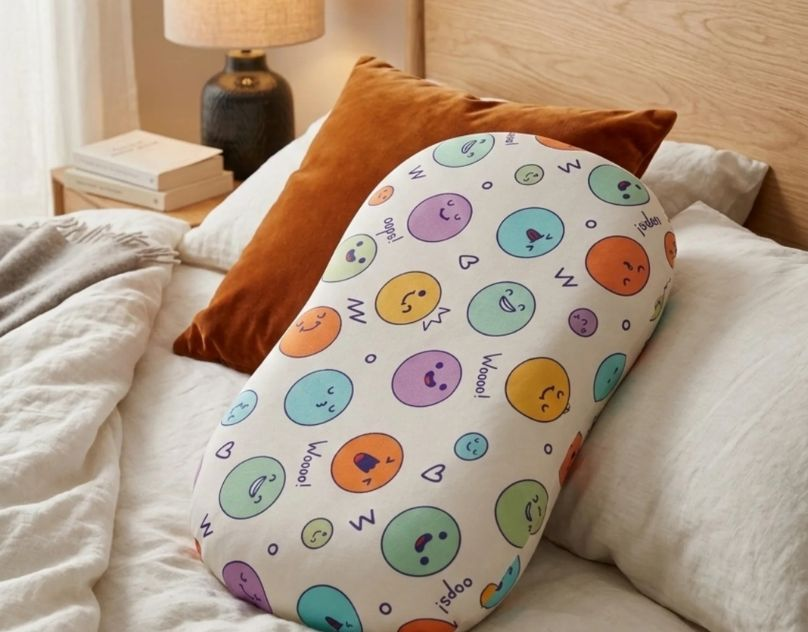
Between online homework, school laptops, and the odd arvo of YouTube, plenty of Aussie kids spend hours looking down at a screen. Many parents notice the results: a stiff neck after school, rounded shoulders, or a child rubbing their neck at the kitchen table. It’s natural to wonder whether a better pillow could help.
The short answer is that it can play a supporting role overnight, but it won’t fix what happens during the day. Here’s what’s worth knowing, including where kids’ ergonomic memory foam pillows fit in.
Why Screens Can Leave Kids With a Sore Neck
The “tech neck” posture
When kids look down at a tablet, their head tips forward and their shoulders round. A child’s head is heavy compared with the rest of their body. Holding it forward for long stretches makes the muscles at the back of the neck and upper back work harder than they should. Do that most afternoons, and a bit of tightness is hardly surprising.
Why it shows up at night
Muscles that have been held in one position all day don’t simply switch off at bedtime. If the pillow is too high, too flat, or too squishy, the neck can end up bent at an awkward angle for hours. Some kids wake up sore, and others toss and turn trying to get comfortable.
What Does an Ergonomic Pillow Actually Do?
Supporting the neck’s natural curve
An ergonomic pillow is designed to keep the head, neck, and spine in a neutral line while your child sleeps. Memory foam moulds gently to the shape of the head and neck, so the neck is supported instead of propped up or left to sag. After a day of craning over a screen, steady support overnight is a sensible thing to offer.
What it can’t do
A pillow won’t undo hours of slouching, and it isn’t a treatment for neck pain. Think of it as removing one possible irritant, not curing the cause. The biggest improvements still come from how your child sits and moves during the day.
How to Choose a Pillow for a Screen-Heavy Kid
Kids’ pillows aren’t just smaller versions of adult ones, so a few details matter.
Get the height right.
Look for a low-loft pillow sized for a child. A pillow that’s too thick pushes the head forward, which is the same position that causes trouble at the desk. Side sleepers need enough height to fill the gap between ear and shoulder, while back sleepers usually do best with something thinner.
Pick a comfortable firmness.
A medium-soft feel works well for most children. It should support the head without feeling rock hard or letting it sink right through. If your child resists a new pillow, a slightly softer option is often easier to get used to.
Look for breathability and a washable cover.
Memory foam can sleep warm, which isn’t ideal in an Australian summer. Ventilated or shredded foam designs and a breathable, removable cover help keep things comfortable and easy to wash. If neck stiffness is a regular complaint, our guide to memory foam pillows and kids’ posture explains the sleep side in more detail.
Daytime Habits That Matter Just as Much
Set up the homework spot
Aim for the screen at about eye level, feet flat on the floor and the back supported by the chair. A tablet stand, or even a stack of books, stops kids hunching over a device in their lap. Where you can, use a desk or table in place of the couch or bed.
Build in movement breaks
Every 20 to 30 minutes, encourage your child to stand up, stretch their shoulders and look at something in the distance. It only takes a minute, and it gives tired neck muscles a rest.
Wind down without screens
Bright, stimulating screens close to bedtime can make it harder for kids to settle. Switching off devices a good while before lights out, and swapping in a book or some quiet play, helps them wind down.
When to Talk to a Professional
A new pillow is a reasonable thing to try, but it isn’t the answer to everything. If your child has ongoing neck pain, frequent headaches, numbness or tingling, or pain that wakes them at night, book in with your GP, paediatrician, or a physiotherapist. They can check whether something else is going on.
The Bottom Line
An ergonomic memory foam pillow can help give a child’s neck proper support overnight, especially if they spend a lot of the day looking down at screens. It works best alongside good desk habits, regular breaks, and a sensible bedtime routine. Get the height and firmness right, and it could make bedtime a little more comfortable.

Auteeze is a kids-focused online store offering thoughtfully designed sensory comfort products that support better sleep, relaxation, and emotional wellbeing. The range includes bamboo weighted blankets, memory foam pillows, and other child-friendly sensory essentials made to provide calmness and comfort. Each product is created with safe, soft, and high-quality materials to help children with sensory needs feel secure and sleep more peacefully every night.










Comments (0)