

Dubai Facility Management Trends Shaping Urban Growth
Explore Dubai facility management trends, including smart building technologies, sustainability, integrated services, infrastructure development, and future opportunities.


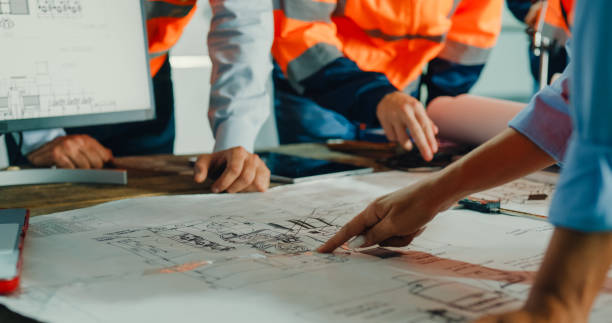
Dubai’s rapid urban transformation continues to create demand for integrated services that keep commercial, residential, industrial, and public infrastructure operating efficiently. As smart buildings, mixed-use developments, and sustainability initiatives become increasingly common, facility management has evolved beyond routine maintenance into a strategic function that supports operational performance, occupant well-being, and long-term asset value.
The Dubai Facility Management Market is experiencing steady momentum as organizations prioritize digital building operations, energy optimization, and preventive maintenance. According to the latest industry analysis Markntel Advisor, the market was valued at around USD 6.2 billion in 2025 and is projected to reach USD 10.69 billion by 2032, expanding at a CAGR of approximately 9.5% during 2026–2032. Businesses are also increasingly investing in integrated facility services to improve operational efficiency while supporting sustainability objectives.
Demand is also being influenced by Dubai’s expanding commercial districts, hospitality sector, healthcare facilities, and large-scale residential communities. Property owners are increasingly seeking service providers capable of delivering integrated solutions that combine maintenance, security, cleaning, energy management, and digital monitoring under a single operational framework. This integrated approach helps reduce costs while improving service quality and responsiveness.
Smart Technologies Are Transforming Building Operations
Digital transformation has become one of the defining characteristics of modern facility management. Building Management Systems (BMS), Internet of Things (IoT) sensors, predictive analytics, and artificial intelligence are enabling facility managers to monitor equipment performance in real time and identify maintenance requirements before failures occur. These technologies improve operational reliability while minimizing downtime and extending the lifespan of critical infrastructure. As facilities become increasingly connected, data-driven decision-making is expected to play a central role in optimizing resource utilization and service delivery. According to the Markntel Advisor industry study, these trends continue to strengthen long-term market prospects.
Sustainability Initiatives Are Driving Service Innovation
Environmental responsibility has become a key priority across Dubai's built environment. Organizations are implementing energy-efficient lighting systems, water conservation measures, waste management programs, and green building practices to align with sustainability goals. Facility management providers are responding by expanding specialized environmental services and introducing advanced monitoring technologies that help clients measure and reduce resource consumption. These initiatives not only support regulatory compliance but also contribute to lower operating expenses and improved environmental performance. According to the International Facility Management Association (IFMA), sustainability has become a core component of modern facility management strategies.
Integrated Services Continue to Gain Market Preference
Many organizations are moving away from managing multiple specialized contractors and instead partnering with providers capable of delivering bundled service offerings. Integrated facility management simplifies vendor coordination, improves accountability, and creates opportunities for operational efficiencies across multiple business functions. From HVAC maintenance and security services to landscaping and cleaning operations, centralized management allows organizations to maintain consistent service quality while streamlining administrative processes. This approach is particularly attractive for large commercial properties, airports, educational institutions, and healthcare facilities.
Growing Infrastructure Expands Business Opportunities
Dubai continues to invest in commercial developments, transportation infrastructure, tourism facilities, and mixed-use communities. Every new development requires ongoing operational support throughout its lifecycle, creating sustained demand for professional maintenance and asset management services. As infrastructure assets become more technologically advanced, facility management providers are expanding their technical capabilities by incorporating specialized engineering expertise, automation solutions, and digital maintenance platforms. This evolution is enabling service providers to deliver greater operational value while supporting the city's long-term urban development objectives.
Workforce Development Supports Service Quality
The increasing complexity of modern buildings requires highly skilled professionals capable of managing sophisticated building systems and digital technologies. Training programs, professional certifications, and continuous workforce development have therefore become important priorities across the industry. Organizations are investing in technical education to ensure employees possess the expertise needed to manage energy systems, automation technologies, health and safety standards, and predictive maintenance solutions. A skilled workforce strengthens operational reliability while enhancing customer satisfaction and regulatory compliance.
Future Outlook
The outlook for Dubai's facility management sector remains positive as investments in smart infrastructure, sustainable construction, and integrated property services continue to accelerate. Growing adoption of digital technologies, combined with expanding commercial and residential developments, is expected to create new opportunities for service providers throughout the forecast period. Organizations that embrace technology-driven operations, sustainability-focused practices, and integrated service delivery are likely to remain well positioned to meet the evolving requirements of Dubai's dynamic real estate landscape while supporting efficient building performance for years to come.









Comments (0)