

Chemical peel in Dubai: Acne Scars and Texture Concerns
Can a chemical peel in Dubai help acne scars? Learn which marks respond to resurfacing, which need other treatments, and how plans are built.

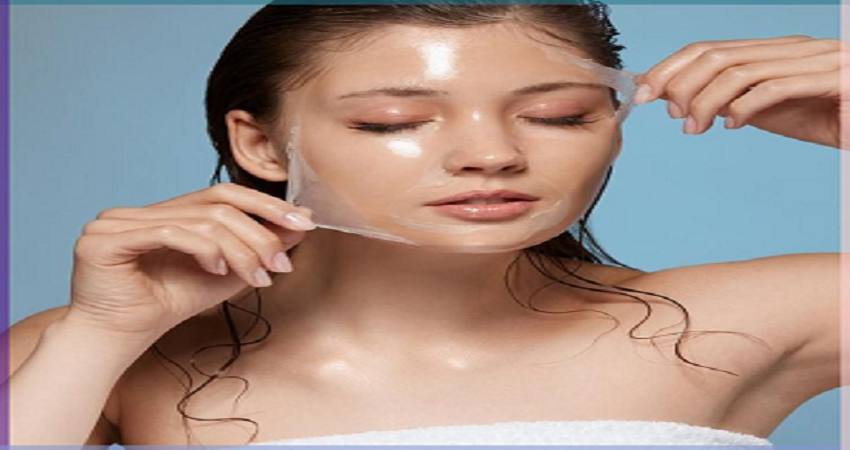
Acne scars are among the most persistent skin concerns patients bring to clinic, and among the most frequently misunderstood in relation to resurfacing. Many arrive hoping a peel will erase pitted scarring entirely; others assume peels are useless for scars and dismiss them prematurely. The reality sits between these positions. If you are considering a chemical peel in Dubai for post-acne marks or uneven texture, understanding which types of scarring respond, which do not, and what a realistic plan looks like will save you from disappointment. This article addresses that distinction directly.
Chemical peel in Dubai: Distinguishing Marks From Scars
The first clinical distinction is between post-inflammatory marks and true scars, because they respond differently.
Post-inflammatory erythema appears as flat red or pink marks left after a spot heals. Post-inflammatory hyperpigmentation presents as flat brown marks. Both are pigment or vascular changes within the skin, not structural damage, and both tend to improve with time and with resurfacing.
Atrophic scars — the pitted or indented type — involve loss of tissue and changes to the dermis. These are structurally different and generally require deeper or combination approaches. A superficial peel will not fill a depression in the skin.
Confusing these categories is the most common reason patients feel a peel "didn't work."
Chemical peel in Dubai: What Peels Can Realistically Improve
For the right candidate, resurfacing can meaningfully improve:
-
Flat post-acne discolouration
-
Overall skin tone and clarity
-
Surface roughness and mild textural irregularity
-
The appearance of shallow, very superficial textural change
Superficial peels, often performed as a series, are frequently used to address pigmentation and dullness associated with post-acne skin. Medium-depth peels may be considered where texture is more pronounced, though with greater recovery and risk.
What Peels Cannot Do for Scarring
A peel will not:
-
Fill or elevate atrophic or ice-pick scars
-
Resolve deep rolling scars
-
Substitute for treatments designed to remodel dermal tissue
-
Eliminate all marks in a single session
Where scarring is structural, clinicians often consider other modalities — microneedling, fractional laser, subcision, or fillers — alone or in combination. Peels may still play a supporting role in managing associated pigmentation, but they are rarely the primary solution for indented scarring.
Chemical peel in Dubai: Assessing Scar Type Before Planning
During a consultation, the clinician will examine the scars closely, noting type, depth, distribution, and whether active acne is present. Active inflammatory acne usually needs to be brought under control before resurfacing is sensible — treating over active lesions can worsen inflammation and increase complication risk.
Skin type is also assessed, since darker skin carries a higher risk of post-inflammatory hyperpigmentation after resurfacing. This does not rule out treatment, but it shapes agent selection, priming, and intensity.
Building a Realistic Treatment Plan
For post-acne pigmentation, a typical plan might involve a series of superficial peels spaced several weeks apart, alongside daily sun protection and a supportive home routine. Improvement is usually gradual and cumulative.
For mixed presentations — some pigmentation plus some textural scarring — a staged approach is common. Peels may address the pigment component while other treatments target structure. In our clinical experience, patients who understand this division of labour are far more satisfied than those expecting one treatment to solve everything.
Chemical peel in Dubai: The Importance of Sun Protection
Resurfaced skin is more vulnerable to ultraviolet exposure, and unprotected sun can deepen pigmentation and undermine results. In Dubai's climate, daily broad-spectrum sunscreen is not optional for anyone treating post-acne pigmentation.
Patients should also avoid picking at healing skin and resist the urge to add strong actives during recovery, both of which can worsen marks.
At Tajmeels Clinic in Dubai, scar assessment and treatment planning are handled individually, with the limits of resurfacing explained clearly alongside realistic alternatives.
Conclusion
Chemical peels can help with post-acne marks, uneven tone, and mild surface texture — but they are not a solution for structural scarring. Knowing which concern you actually have is the starting point for a sensible plan. If your primary issue is indented scarring, a consultation focused on the full range of options will serve you better than booking a peel on assumption.
Ready to Begin Your Transformation?
Get in touch with us today to explore exclusive offers and find the right treatment for you!
WhatsApp: +971 56 203 8751
Phone: +971 4 373 9000
Social Media:








Comments (0)