

Piles Treatment: Causes, Symptoms, Medicines and Ayurvedic Treatment Options
Learn about piles treatment, piles treatment in Ayurveda, available medicines, symptoms and how to find a piles doctor near you. Read expert health guidance from Dr Monga Medi Clinic.

Piles are a common health problem that can make everyday activities uncomfortable. People experiencing piles may notice bleeding during bowel movements, itching around the anus, swelling, or pain while sitting. Although these symptoms are common, many people avoid discussing them because they feel embarrassed.
Ignoring the problem or depending only on home remedies may delay the right diagnosis. Piles can often be managed with suitable treatment, dietary changes, and improved bowel habits. However, the treatment depends on the severity of the condition and the symptoms a person experiences.
At Dr Monga Medi Clinic, people can enquire about consultation options for piles-related concerns and available treatment approaches. Understanding the condition is the first step towards making informed decisions about your health.
What Are Piles and Why Do They Develop?
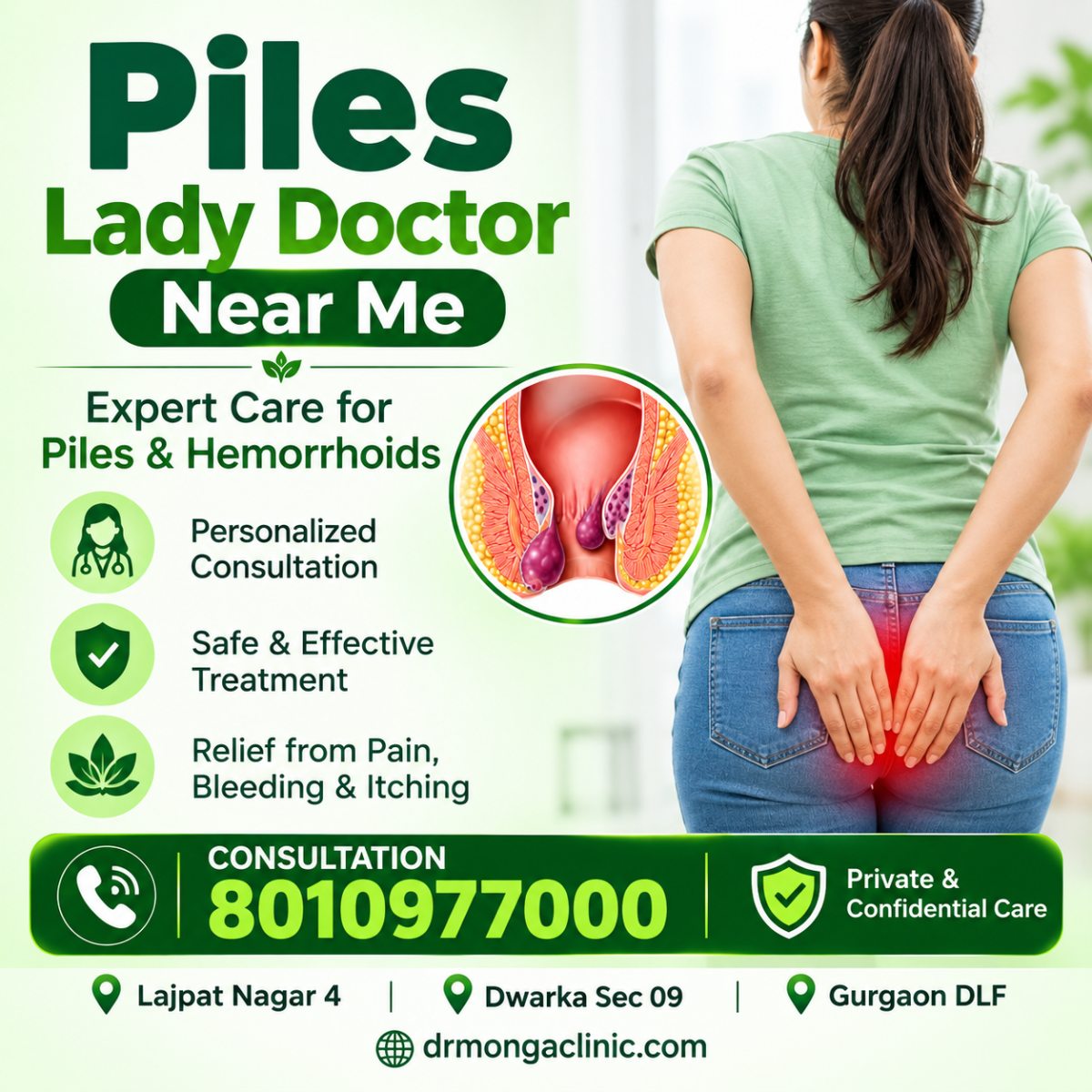
Piles, also known as haemorrhoids, are swollen blood vessels in the lower rectum or around the anus. They are generally classified into two main types:
- Internal piles: These develop inside the rectum and may cause bleeding during bowel movements. They are often painless.
- External piles: These develop under the skin around the anus and may cause itching, swelling, and discomfort.
Sometimes, a blood clot develops inside an external haemorrhoid, causing sudden pain and a firm lump.
Several factors can contribute to piles, including:
- Long-term constipation.
- Repeated straining during bowel movements.
- A diet low in fibre.
- Sitting on the toilet for long periods.
- Pregnancy and increased abdominal pressure.
- Being physically inactive.
- Excess body weight.
Understanding these factors can help people make lifestyle changes that support better bowel health.
Common Symptoms You Should Not Ignore
Piles symptoms can vary from person to person. Some people experience mild irritation, while others may have persistent discomfort.
Common signs include:
Bleeding: Bright red blood may appear on toilet paper, in the toilet bowl, or on the surface of stool.
Itching: Irritation around the anal area can make sitting and daily activities uncomfortable.
Pain: External piles, especially when a blood clot forms, can cause significant pain.
Swelling: A lump may develop around the anal opening.
Discomfort during bowel movements: Straining or passing hard stools may increase irritation.
It is important to remember that rectal bleeding is not always caused by piles. Anal fissures and other bowel conditions can produce similar symptoms. Persistent or unexplained bleeding should always be medically evaluated.
Piles Treatment: What Are the Available Options?
The right piles treatment depends on the type of haemorrhoids, their severity, and the patient's overall health. Mild symptoms may improve with changes in diet and bowel habits, while more advanced cases may require medical procedures.
Some commonly recommended approaches include:
Increase Fibre in Your Diet
Fibre helps make stools softer and easier to pass. Include vegetables, fruits, whole grains, beans, and other fibre-rich foods in your meals.
Drink Enough Water
Adequate fluid intake supports normal bowel movements and may help reduce constipation. Individual fluid needs can vary depending on health conditions.
Avoid Straining
Do not force bowel movements or sit on the toilet for unnecessarily long periods. Respond to the natural urge to pass stool rather than delaying it.
Stay Physically Active
Walking and regular physical activity can support digestion and bowel regularity.
Use Warm Sitz Baths
Sitting in comfortably warm water for a short period may provide temporary relief from itching and discomfort.
If symptoms continue despite these measures, consult a doctor to discuss further treatment.
Piles Treatment in Ayurveda: What Should Patients Understand?
Many people explore piles treatment in ayurveda because they are interested in traditional healthcare and approaches to digestive health.
Ayurvedic care may include dietary recommendations, lifestyle guidance, traditional herbal preparations, and specialised procedures such as Kshara Karma or Kshara Sutra in selected cases.
However, it is important to understand that scientific evidence for different Ayurvedic medicines and procedures varies. Their safety and suitability depend on the patient's condition and the specific treatment being considered.
Before starting an Ayurvedic approach, consider these precautions:
- Get a proper diagnosis from a qualified healthcare professional.
- Ask about the ingredients and possible side effects of herbal preparations.
- Inform your doctor about any medicines or supplements you already use.
- Discuss whether a traditional procedure is appropriate for your condition.
- Do not delay necessary medical treatment because of claims of guaranteed results.
At Dr Monga Medi Clinic, people interested in traditional approaches can enquire about consultation options and discuss their suitability. Treatment decisions should be based on individual symptoms and medical assessment.

Piles Treatment Medicine: Which Medicines May Be Recommended?
People often search for piles treatment medicine when they want relief from pain, itching, swelling, or constipation. However, there is no single medicine that is suitable for every patient.
Depending on the symptoms, a doctor may recommend:
Creams and ointments: Certain topical products can provide temporary relief from itching and irritation. Some contain ingredients that should only be used for a limited period.
Stool softeners: These may help people who experience hard stools and difficulty passing bowel movements.
Fibre supplements: These can improve stool consistency and reduce straining when dietary fibre intake is insufficient.
Pain-relief medicines: Certain medicines may be recommended for discomfort, depending on the patient's medical history.
Medicines can help manage symptoms, but they may not remove the underlying haemorrhoids. Avoid prolonged self-medication, especially if you experience repeated bleeding or worsening pain.
How to Find a Piles Doctor Near Me?
When symptoms start affecting daily life, many people search online for a piles doctor near me. Finding a nearby clinic is useful, but the doctor's qualifications and ability to assess your condition are equally important.
Before choosing a doctor, consider the following:
Check Qualifications and Experience
Choose a qualified medical professional with experience in evaluating piles and other anorectal conditions. A general surgeon or colorectal specialist may be appropriate depending on your symptoms.
Understand the Diagnosis
A doctor may ask about your bowel habits, bleeding, pain, medical history, and current medicines. An examination may be needed to confirm the diagnosis.
Discuss Different Treatment Options
Ask about lifestyle changes, medicines, traditional treatments, and medical procedures. Understanding the benefits and limitations of each option can help you make a better decision.
Look for Clear Communication
You should feel comfortable explaining your symptoms and asking questions. A good healthcare professional should discuss the treatment plan without making unrealistic promises.
When Can Piles Require Medical Procedures?
Not every patient with piles needs surgery. Many cases improve with conservative treatment. However, if symptoms continue or become severe, a doctor may recommend a procedure.
Depending on the diagnosis, options may include:
- Rubber band ligation.
- Sclerotherapy.
- Infrared coagulation.
- Surgical treatment for selected advanced or complicated cases.
The choice depends on the size, location, severity, and symptoms of the haemorrhoids. A doctor should explain the possible benefits, risks, and recovery requirements before treatment.
Piles Consultation at Dr Monga Medi Clinic
Dr Monga Medi Clinic provides a point of contact for people seeking information about piles-related consultation and available treatment approaches.
If you are experiencing constipation, itching, swelling, bleeding, or discomfort during bowel movements, you can enquire about consultation arrangements. People interested in Ayurvedic approaches can also ask about available options and their suitability.
Before your appointment, keep the following information ready:
- How long you have experienced the symptoms.
- Whether you notice bleeding or pain.
- Your bowel habits and history of constipation.
- Any medicines or supplements you currently take.
- Previous medical reports or treatment details.
Sharing accurate information helps the healthcare professional understand your concerns and recommend appropriate next steps.
Conclusion
Piles can affect comfort, confidence, and daily routines, but appropriate treatment can help manage the condition. The first step is to understand the symptoms and identify the cause rather than relying on unverified remedies.
Whether you are researching piles treatment, considering piles treatment in ayurveda, looking for suitable piles treatment medicine, or searching for a piles doctor near me, choose a treatment approach based on proper medical assessment.
FAQ"S
Can piles be treated without surgery?
Yes. Many mild cases improve with dietary changes, fibre intake, hydration, and reduced straining. Persistent or advanced cases may require a medical procedure.
Is piles treatment in Ayurveda effective?
Some traditional approaches are used for piles, but scientific evidence varies. Discuss the safety and suitability of any Ayurvedic medicine or procedure with a qualified healthcare professional.
Which piles treatment medicine is best?
The best option depends on your symptoms and diagnosis. A doctor may recommend creams, fibre supplements, stool softeners, or other treatment when appropriate.
Can constipation cause piles?
Yes. Repeated straining and hard stools can increase pressure around the anal blood vessels and contribute to haemorrhoids.
How do I choose a piles doctor near me?
Check the doctor's medical qualifications, experience with anorectal conditions, diagnostic approach, and ability to explain treatment options clearly.
Is bleeding during bowel movements always caused by piles?
No. Other conditions, including anal fissures and bowel diseases, can also cause bleeding. Repeated or unexplained bleeding should be checked by a doctor.
Dr Monga Medi Clinic can be contacted to enquire about piles-related consultation and available treatment options. Do not ignore persistent bleeding, pain, or swelling. Timely medical advice can help you make informed decisions about your health.

Find the Best Ayurvedic doctors and Ayurvedic Treatment in Delhi NCR for Gastro, Hair, Skin, Sexual Issues, and Growth joint pain, HIV, and female issues. Book your appointment now by calling 8010931122. Dr monga Clinic provides Ayurveda specialist doctors for male & female sexual problems by the best sexologist doctor in Delhi. For more info visit: https://drmongaclinic.com/








Comments (0)