

Why Follow-Up Guidance Matters After STD Testing at Tajmeels Clinic
Understand why follow-up guidance after an STD test matters, including result interpretation, repeat screening, and appropriate next steps at Tajmeels Clinic.

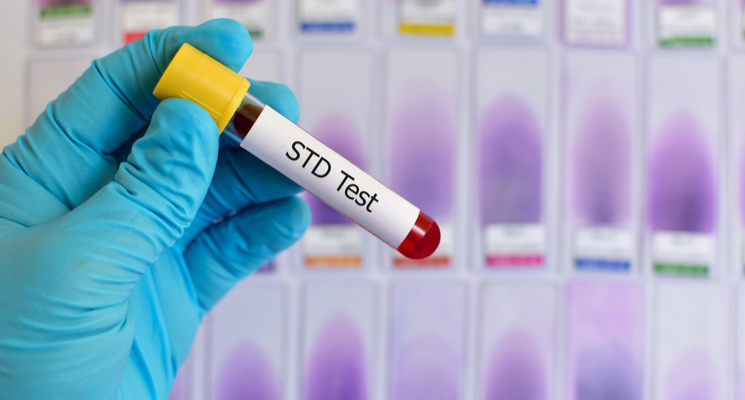
Getting an STD Test in Dubai is an important step toward protecting sexual health. However, the testing process does not always end when a patient receives their results. Understanding what those results mean, whether additional testing is necessary, and what steps to take next is equally important. Follow-up guidance helps patients make informed healthcare decisions and avoid misunderstandings that could affect their well-being.
For individuals seeking an STD test in Dubai, professional guidance can make the experience more reassuring and informative. It provides an opportunity to discuss test findings, understand possible health concerns, and receive recommendations based on individual circumstances.
Why Is Follow-Up Guidance Important After an STD Test?
STD testing identifies certain sexually transmitted infections, but interpreting the results requires attention to several factors. Different infections have different detection methods, testing windows, and follow-up requirements.
For example, a negative result does not always rule out an infection if testing takes place too soon after potential exposure. Some infections require time before they become detectable through laboratory testing.
Follow-up guidance helps patients understand:
-
Whether their results are negative, positive, or inconclusive.
-
Whether additional testing may be necessary.
-
If a repeat test is recommended.
-
Whether further medical evaluation is required.
-
What precautions may help reduce transmission risks.
Having access to appropriate information allows patients to make decisions based on medical advice rather than assumptions.
Understanding STD Test Results Correctly
Receiving an STD test report can sometimes be confusing, particularly for individuals unfamiliar with medical terminology. Results may include terms such as reactive, non-reactive, positive, negative, or indeterminate.
Each term has a specific meaning depending on the infection and testing method.
A negative result generally means that the test did not detect the infection at the time of testing. However, it may not completely exclude an infection when the test was performed during its window period.
A positive result usually indicates that further medical assessment or treatment is needed, depending on the specific test. Some screening tests require confirmatory testing before a diagnosis can be established.
An inconclusive result may mean that the laboratory could not provide a reliable answer, making additional testing necessary.
Professional interpretation helps patients understand these differences and determine the appropriate next steps.
When Is Repeat STD Testing Necessary?
Repeat testing may be recommended in certain situations, particularly when the initial test was performed shortly after possible exposure.
Every sexually transmitted infection has its own detection window. For example, HIV, syphilis, chlamydia, and gonorrhea have different testing requirements and detection timelines.
A healthcare professional may recommend another test when:
-
The initial test was conducted too early.
-
Symptoms develop after the first screening.
-
There has been another potential exposure.
-
The original result was unclear or inconclusive.
-
A particular infection requires follow-up testing after treatment.
Patients should avoid choosing their own testing schedule without understanding the infection-specific recommendations. Following appropriate medical guidance helps improve the reliability of screening and supports better health decisions.
Why Follow-Up Matters After a Positive STD Result
A positive STD test result can create uncertainty, anxiety, or concern about future health. However, many sexually transmitted infections can be managed or treated effectively with appropriate medical care.
The next step depends on the infection identified.
Some bacterial infections, including chlamydia and gonorrhea, are generally treatable with prescribed antibiotics. Viral infections may require different management approaches, including antiviral medication or ongoing monitoring.
Follow-up consultations help patients understand their diagnosis, discuss available treatment options, and learn how to reduce the possibility of transmission.
Patients should also receive guidance about informing sexual partners when appropriate. Partner testing and treatment can help prevent reinfection and reduce further transmission.
It is important not to start medication independently or rely on someone else's treatment recommendations.
The Importance of Confidentiality and Patient Education
Sexual health is a personal subject, and some individuals may hesitate to seek medical advice because of embarrassment or privacy concerns.
A supportive healthcare environment encourages patients to discuss their concerns openly without feeling judged. Confidential handling of medical information is an important part of responsible STD screening services.
Patient education is equally valuable. Understanding how infections spread, recognizing possible symptoms, and learning about preventive measures can help individuals take greater responsibility for their sexual health.
Follow-up discussions may also address condom use, regular screening, vaccination where appropriate, and other preventive healthcare measures.
How Tajmeels Clinic Approaches Follow-Up Guidance After STD Testing
At tajmeels clinic dubai, follow-up guidance is an important part of helping patients understand their STD testing experience. The clinic-based approach focuses on individual concerns, available test information, and the importance of appropriate medical assessment.
Patients may need different recommendations depending on their medical history, potential exposure, symptoms, and initial screening results.
Through consultation and patient-focused guidance, Tajmeels Clinic aims to help individuals understand their reports and identify whether additional medical evaluation or repeat screening may be appropriate.
The process may involve discussing the meaning of test results, explaining infection-specific follow-up requirements, and advising patients about seeking further care when necessary.
Rather than treating every patient with the same testing recommendations, individual circumstances should be considered when discussing the next steps.
What Should You Do After Receiving Your STD Test Results?
Knowing how to respond after receiving a report can help prevent unnecessary confusion. Patients should take the following steps:
-
Review the report: Understand which infections were included in the screening and what the findings indicate.
-
Discuss unclear results: Ask a qualified healthcare professional to explain unfamiliar medical terms.
-
Follow repeat-testing advice: Complete additional screening within the recommended timeframe if necessary.
-
Seek treatment when required: Follow prescribed treatment instructions for confirmed infections.
-
Discuss partner health: Ask about partner notification, testing, and treatment recommendations.
-
Maintain preventive practices: Follow appropriate precautions to reduce future infection risks.
These steps support informed decisions and help patients take an active role in managing their sexual health.
Can Follow-Up Guidance Help Reduce Future STD Risks?
Yes. Follow-up guidance provides an opportunity to understand personal risk factors and identify suitable preventive measures.
Patients can learn why regular screening may be beneficial, how different infections are transmitted, and when testing should be repeated. Individuals with ongoing exposure risks may benefit from discussing a screening schedule with their healthcare provider.
Prevention also includes considering recommended vaccinations, such as those for hepatitis B and HPV, when appropriate.
For people with specific HIV exposure risks, healthcare professionals may discuss preventive options such as pre-exposure prophylaxis (PrEP).
These conversations help connect STD testing with broader sexual health awareness rather than treating screening as an isolated medical procedure.
Conclusion
Follow-up guidance is an essential part of responsible STD testing because receiving a report is only one stage of understanding sexual health. Proper interpretation, repeat testing when necessary, treatment guidance, and preventive education all contribute to better healthcare decisions.
For individuals considering an STD test in Dubai, choosing a healthcare provider that emphasizes patient education and appropriate follow-up can make the process more informative and reassuring. Tajmeels Clinic recognizes the importance of individual assessment and clear guidance in helping patients understand their screening results and possible next steps.
More Information
Tajmeels Clinic Dubai
WhatsApp: +971 56 203 8751
Phone: tel:+971 43739000
Social Media:

Tajmeels clinic is different from other cosmetic resorts because our doctors are specialized in their fields from the best organizations in the world











Comments (0)