

Puffy Jaw or Soft Jaw? How to Tell Fluid, Loose Skin and Fat Apart
Is your jawline puffy, soft or both? Learn how to tell fluid, loose skin and fat apart, and what each one responds to, with a simple home check.

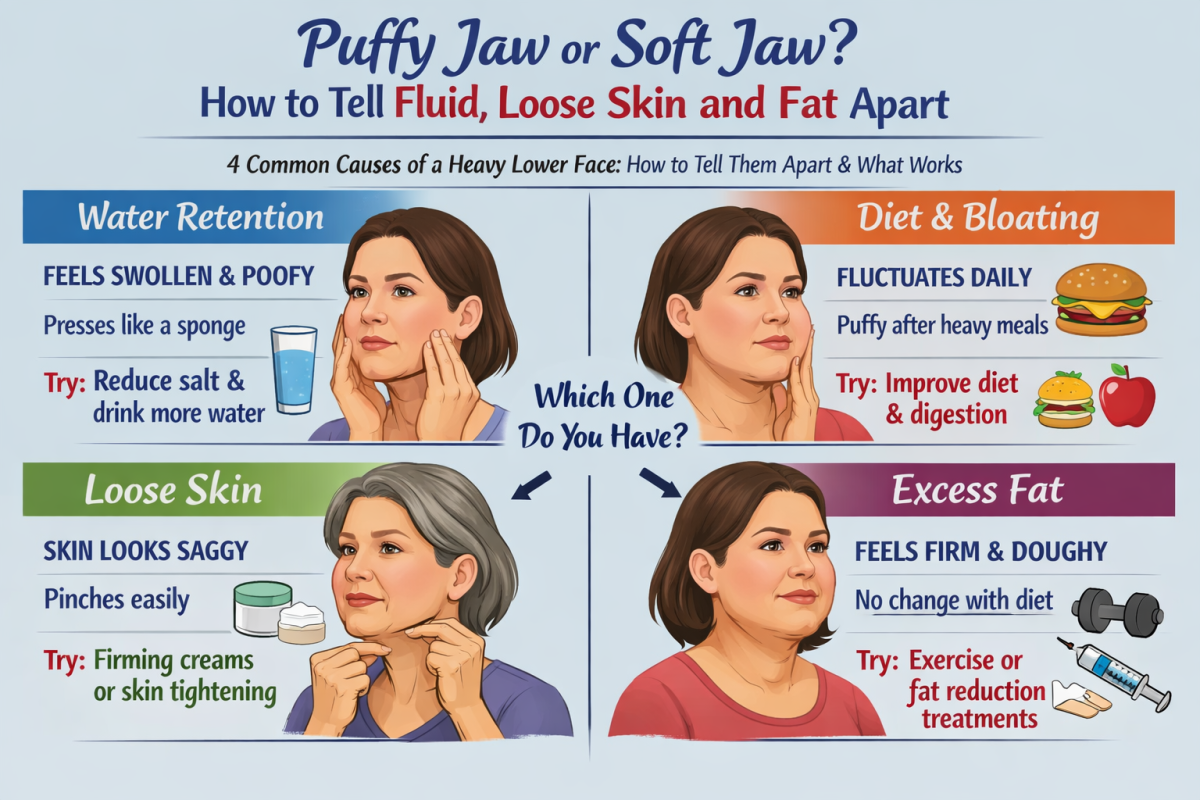
Your jawline looks different in the mirror today. Maybe it seems fuller than last week. Maybe the line between chin and neck has softened over the past year. Both look like the same problem, but they often have different causes, and the right fix depends on which one you have.
This article explains four common causes of a heavy lower face: fluid, diet, loose skin and fat. You will learn how to tell them apart at home, and what each one responds to.
Cause 1: Fluid That Is Not Moving
Your lymphatic system carries extra fluid and waste away from your tissues. Unlike your blood, it has no pump. It depends on movement, deep breathing and pressure from massage to keep flowing. When it slows down, fluid can collect under the skin of the cheeks, jaw and chin, and the face looks heavy and puffy.
This kind of fullness is usually soft and changes from day to day. Long hours of sitting can slow circulation, so this kind of puffiness may feel worse after a desk-bound day. Gentle, directional drainage techniques aim to guide that fluid toward the lymph nodes in the neck. If you want to see how common puffiness triggers differ, this guide to facial puffiness and when lymphatic drainage may help breaks them down clearly.
Cause 2: Salt, Alcohol and Late Nights
Salty meals, alcohol and processed food make the body hold on to water. The effect often shows up in the face the next morning, then eases within hours. It looks like the fluid problem above, but the cause is different. Massage may help the face settle sooner, yet the lasting fix is changing what you eat and drink. Redness, warmth or tenderness points to inflammation instead, and that needs a doctor’s advice rather than a massage.
Cause 3: Loose Skin
As we age, collagen production slows and skin loses firmness. The lower face and neck often show this first. The skin there is thin and has less muscle underneath to hold it in place. Loose skin looks different from puffiness. It is a steady softness or droop that does not change much from morning to night.
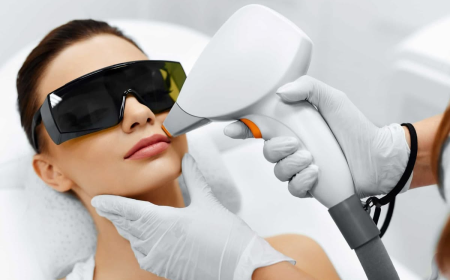
Treatments that deliver gentle energy, such as radio frequency, aim to encourage collagen in the deeper layers. Results build over several sessions and stay modest. They can improve firmness, but they do not work like surgery.
Cause 4: Fat Under the Chin
Fat is the hardest cause for a facial to change. Facials can improve how the skin around it looks and may reduce puffiness, but they do not remove fat volume. Medical options, such as fat-dissolving injections or fat-freezing treatments, exist for this. A doctor can tell you whether you are a good fit.
Fat tends to look the same all day. If your fullness stays steady no matter how you sleep or eat, fat may be the main driver.
A Simple Home Check
Look at your face at three times: first thing in the morning, mid-afternoon and before bed. Then compare.
-
Worse in the morning and better by evening: likely fluid or diet.
-
Steady softness or droop, with little daily change: likely loose skin.
-
Steady fullness under the chin, no matter what you do: possibly fat.
-
A mix of the above: common, and it needs a combined plan.
Take photos in the same light each time. This is a guide, not a diagnosis. A trained therapist or doctor can judge better in person.
What a Lifting Facial Can and Cannot Do
A lifting facial sits between a basic facial and surgery. It can help with fluid and with early loose skin. It cannot remove fat, and it cannot match surgical results. Expect a small change after one session, mostly from drainage. The fluid can return over the following days. Firmness takes longer and needs regular visits.
If your concern is a double chin or a softer jaw, this overview of what lifting facials can do for a double chin and softer jawline explains which causes respond best, and which need a medical opinion first.
Questions to Ask Before You Book
A good studio starts with questions, not a package. Ask these:
-
How will you work out whether my concern is fluid, loose skin or fat?
-
Which technique do you use, and what is it meant to do?
-
How many sessions are realistic for my goal?
-
When would you send me to a doctor instead?
At TaraBliss, every session begins with a skin diagnosis, so the therapist can match the treatment to what is actually happening instead of guessing from appearance. Be cautious about any studio that promises guaranteed or instant results. Honest answers matter more than big claims.
Habits That Help Whatever the Cause
Some habits help whatever the cause. Move your body daily, because muscle activity supports lymph flow. Drink water through the day and go easy on late-night salty snacks. Pay attention to posture, since it can change how the chin and neck look. Wear sunscreen daily, because sun damage speeds up the loss of skin firmness.
Be careful with home tools. Gua sha stones and rollers can be useful between professional visits, but the direction of the strokes matters. Pressing the wrong way will not move fluid where it needs to go. Keep the pressure light and stop if the skin feels sore.
When to See a Doctor First
Book a medical visit if the swelling is sudden, one-sided, painful or red, or if it comes with other symptoms like fever or breathing trouble. Puffiness that never improves, or swelling that appears with no clear reason, also deserves a check. A facial is a beauty treatment, not medical care, and some conditions need a doctor before any massage or energy treatment.
Putting It Together
Start with the home check, then match the cause to the approach. Fluid and diet-related puffiness respond to drainage and daily habits. Loose skin responds slowly to firming treatments. Fat needs medical advice. Many faces show a mix, so a patient, step-by-step plan works better than chasing one quick fix.
Frequently Asked Questions
1. Why is my face puffier in the morning?
Fluid settles while you lie flat, and salty food or alcohol the night before can add to it. This kind of puffiness often eases within a few hours of getting up. If it lingers all day, ask a professional to assess the cause.
2. Can massage remove a double chin?
It depends on the cause. Massage may reduce fluid and improve how the area looks, but it cannot remove fat. Loose skin may improve slowly with firming treatments. Fat usually needs medical options.
3. How often should I get a lymphatic drainage facial?
There is no fixed rule. The lymphatic system responds better to regular input than to one-off sessions. A sensible approach is to start with a session every few weeks and adjust with your therapist’s advice.
4. Do firming facials work for loose skin on the jaw?
They can help with mild to early looseness by encouraging collagen, but results are gradual and subtle. Significant looseness usually needs more advanced medical or surgical options, so ask for an honest opinion at the first visit.
5. How do I know if my jawline concern is fat?
Fat usually looks the same all day, whatever you eat or however you sleep. If your fullness stays constant and does not soften with better habits or drainage, ask a doctor to assess it.









Comments (0)