

How Do Fountains Change the Feel of Your Outdoor Garden?


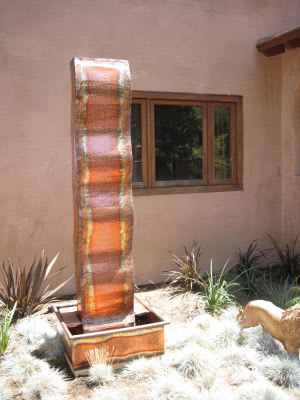
Walk into any garden that feels calm and you will often hear it before you see it. Moving water has a way of softening a space, and that is why fountains have been part of courtyards, temples and palaces for thousands of years. They add sound, light and movement to a yard that might otherwise feel flat. A small patio can start to feel like a private retreat, and a large lawn gains a natural focal point that draws the eye. Many homeowners think of fountains as a luxury, but they work more like a quiet piece of furniture that happens to breathe life into everything around it. The trickle of water masks traffic noise, helps you unwind after work and gives guests something to talk about. Garden fountains also invite you outside more often. You start taking your morning tea near the water, or reading a book in the evening with the soft splash behind you. That small shift in habit is often the real reward. The right garden fountains can turn an ordinary corner into your favorite spot. Before you buy anything, decide what you want the water to do for you, whether that is relaxation, beauty or simply a cooler corner during hot afternoons.
Choosing the Right Style for Your Space
Picking the right style starts with the size of your space. A tall tiered design looks wonderful in an open lawn, yet it can overwhelm a narrow balcony. Take measurements before you shop and mark the spot with chalk or a garden hose so you can judge the scale. For tight corners, a wall mounted piece or a compact bowl works better, and smaller fountains suit entryways without crowding the walkway. Think about the sound you want too. A gentle bubble suits a reading nook, while a wider cascade creates a stronger rushing noise that covers street traffic. Garden fountains come in classic, modern and rustic looks, so match the design to your house and planting. A stone tiered piece suits a traditional cottage, while a sleek metal sphere fits a minimalist courtyard. Budget matters, but do not choose on price alone. A cheap model with a weak pump will clog and fail within a season. Look at pump quality, basin size and the weight of the finished piece. Larger basins lose water more slowly and stay steadier in wind. Good garden fountains should look like they belong, not like they were dropped in as an afterthought.
Materials That Stand Up to the Weather
Material shapes both the look and the lifespan of your water feature. Natural stone is heavy and long lasting, and it develops a lovely patina over the years. Concrete offers similar strength at a friendlier price, and it can be cast into detailed shapes. Fiberglass and resin are light, easy to move and resistant to cracking, which makes them popular where winters are harsh. Metal pieces, especially copper and bronze, age beautifully and turn a soft green over time. Ceramic suits glazed, colorful designs but needs shelter from hard freezes. Think about your climate before you commit. In cold regions, water left inside porous materials can expand and cause cracks, so drain and cover the piece before the first frost. In hot, sunny regions, choose finishes that resist fading. Quality fountains are built with sealed surfaces and sturdy joints, which prevents leaks and stains. When you compare garden fountains side by side, ask what sealant was used and whether the pump is easy to replace. Weight is another clue, since heavier pieces usually hold up better against strong wind and curious pets. A well chosen material means you spend more time enjoying the water and less time repairing it.
Smart Placement and Easy Installation
Where you put the piece matters almost as much as which one you buy. Place it where you can see and hear it from the spots you use most, such as a patio chair, a kitchen window or a bedroom balcony. Keep it away from large trees that drop leaves and debris into the basin, because constant clutter strains the pump. Set the base on level, firm ground, especially for large fountains. A slight tilt causes water to spill out one side and run the pump dry. Plan for power early. Many models plug into a standard outdoor outlet, while solar versions need an open spot with direct sunlight for most of the day. Hide cables beneath planting beds or along edges so nothing looks messy. Surround the base with ferns, hostas or ornamental grasses to blend it into the garden. At night, a small spotlight turns the spray into shimmering silver. Smart placement helps garden fountains look intentional, and it protects them from wind that would otherwise blow water away. Fountains that sit in a sheltered spot also lose less water to evaporation. If the piece is heavy, ask a friend to help and use a trolley rather than dragging it across the lawn.
Simple Maintenance That Keeps Water Flowing
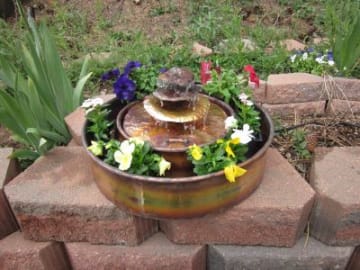
Upkeep is simpler than most people expect. Check the water level every few days, especially in summer when evaporation is quick. Top it up with clean water and never let the pump run dry. Once a month, wipe the basin and rinse out any leaves or dust. If algae appears, scrub it away with a soft brush and a mild solution, avoiding harsh chemicals that could harm birds or plants. Clean the pump filter regularly, because a blocked intake is the most common cause of weak flow. Using distilled water reduces mineral buildup, which leaves white marks on stone and metal. Before winter, drain the unit, store the pump indoors and cover the structure. Taking these steps once a year extends the life of garden fountains by many seasons. Set a reminder on your phone so routine care becomes a habit rather than a chore. Most fountains need only about ten minutes of attention each week, which is a small price for the peaceful sound they bring. If the flow ever sounds uneven, check for trapped air or a tilted base before assuming something is broken. Small fixes early prevent costly repairs later.
Everyday Benefits for Wildlife and Wellbeing
The benefits reach beyond looks. Moving water attracts songbirds, butterflies and bees, turning a quiet yard into a lively habitat. Birds love shallow edges where they can drink and splash, and choosing garden fountains with a shallow ledge gives them a safe place to land. The sound of flowing water is linked with lower stress, and many people say it helps them sleep better when the unit sits near a bedroom window. Evaporation cools the surrounding air slightly, so many people add garden fountains near a seating area for comfort on hot days. Property value can also benefit, since a well placed water feature gives a home character that buyers remember. Garden fountains suit every budget, from small tabletop pieces to grand multi tier statements. Even tabletop fountains bring a touch of calm to a small apartment balcony, and solar fountains save on running costs while working without cables. Families enjoy them too, as children are drawn to the gentle motion and parents appreciate the calm it creates. For entertaining, fountains provide an instant backdrop for evening gatherings, with candlelight and soft music blending with the water sound. Whatever your reason for adding one, the result is a garden that feels richer, calmer and more welcoming to everyone who visits.
Conclusion
Adding moving water to your outdoor space is one of the simplest ways to make it feel finished. With the right size, material and placement, plus a little regular care, your new feature will reward you with years of calm and beauty. If you are ready to explore designs that suit your home and budget, Fountains offers a wide range of options to help you find the perfect fit. Start with the space you have, think about the sound and style you love, and let the water do the rest. Your garden will feel more alive, and you will likely find yourself spending far more time outside.
FAQ
How much space do I need for a water feature?
Even a small balcony can hold a tabletop piece. For lawns, leave enough room around the base so you can reach it for cleaning and so splashing water does not soak nearby seating.
Does it use a lot of electricity?
Most pumps use very little power, similar to a small light bulb. Solar models use none from the grid, though they work best in direct sunlight.
Can I leave it running all year?
In mild climates, yes. In freezing regions, drain it, store the pump indoors and cover the structure before the first frost to prevent cracks.
How often should I clean it?
A quick wipe and rinse once a month is enough for most setups. Clean the pump filter more often if leaves or dust build up quickly.









Comments (0)