

What Should You Know About SDRAM for Reliable System Design?
SDRAM is a fast, temporary memory technology that helps processors access active data quickly. It improves system speed, timing, and reliability in computers, embedded systems, networking devices, and industrial electronics.

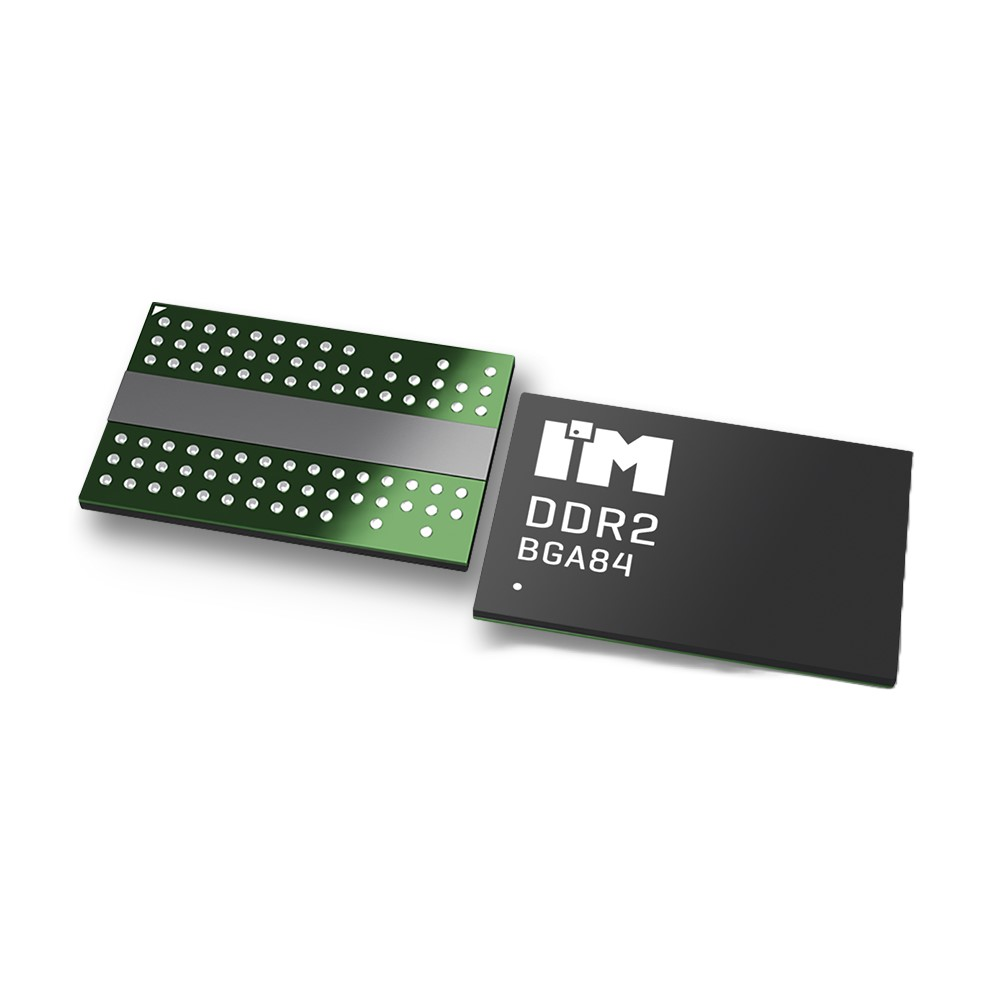
SDRAM is a key memory technology used in many electronic systems that require fast temporary data storage. The full form of SDRAM is Synchronous Dynamic Random Access Memory. It helps processors access active instructions, temporary files, calculation data, and system tasks quickly while a device is running. Because it works in coordination with the system clock, SDRAM offers more predictable performance than older memory technologies.
In modern electronics, memory speed can strongly affect how smoothly a system operates. A processor may be powerful, but without suitable memory, it cannot perform efficiently. SDRAM gives the processor a fast workspace, allowing data to move between different parts of the system with less delay.
Why Is SDRAM Important in Digital Electronics?
Every digital device needs memory to manage active operations. When a device starts, runs software, controls hardware, or processes information, it needs a place to store temporary data. SDRAM performs this role by keeping important working data available for quick access.
Its importance comes from its ability to support organised memory communication. Since SDRAM follows the timing of the system clock, the processor can request and receive data in a more controlled way. This improves performance, reduces waiting time, and supports stable system behaviour.
SDRAM is especially useful in systems where timing, reliability, and cost balance are important.
How SDRAM Supports Processor Efficiency
A processor constantly sends and receives data. If memory access is slow, the processor may remain idle while waiting for information. SDRAM reduces this problem by providing faster access to active data.
It supports processor efficiency by:
- Storing current program instructions
- Holding temporary calculation results
- Managing communication buffers
- Supporting graphical and display operations
- Helping control real-time device functions
- Reducing delays caused by slower storage access
This makes SDRAM valuable in both computing and non-computing devices.
What Makes SDRAM Different from Storage?
Many people confuse memory with storage, but they perform different jobs. Storage devices such as hard drives, SSDs, and flash memory keep data even after power is turned off. SDRAM does not. It is volatile memory, meaning its stored data disappears when the device loses power.
However, SDRAM is much faster than most storage systems. Its purpose is not long-term data retention. Instead, it helps the system handle active tasks at high speed. This difference makes SDRAM essential for smooth device performance.
The Role of Synchronisation in SDRAM
The word synchronous is the most important part of SDRAM. It means that the memory operates according to a clock signal. This clock signal provides timing for read, write, and refresh operations.
Because of synchronisation, memory activity becomes more predictable. The memory controller knows when data should be available, and the processor can work with better timing accuracy.
This gives SDRAM several practical advantages:
- Better control over memory timing
- More efficient data transfer
- Improved communication between components
- Stable performance during repeated operations
- Stronger support for structured processing
This clock-based approach helped SDRAM become a major improvement over older asynchronous memory.
Where SDRAM Is Commonly Used
Although newer memory generations are now common in high-end computers, SDRAM still appears in many electronic systems. It remains useful where the design requires dependable memory rather than the latest speed standard.
Typical uses include:
- Embedded controller boards
- Industrial automation equipment
- Network routers and switches
- Office electronics such as printers
- Measurement and testing devices
- Medical electronic systems
- Older computers and hardware platforms
- Consumer electronic devices
Its continued use proves that SDRAM still has practical value in real-world applications.
SDRAM in Embedded Product Design
Embedded systems often have specific performance needs. They may not need very large memory capacity, but they do need stable and predictable operation. SDRAM fits these requirements well in many designs.
For example, an embedded display device may use SDRAM to store screen data. A communication product may use it for packet buffering. A control system may use it to manage sensor readings and machine responses.
In these applications, the memory must work reliably with the processor, firmware, and circuit board. SDRAM provides a proven option for designers who need dependable temporary memory.
Important Specifications of SDRAM
Choosing SDRAM requires more than selecting a random memory chip. The memory must match the technical needs of the system. Incorrect memory can cause poor performance, boot problems, or unstable operation.
Important specifications include:
- Capacity for handling active data
- Clock frequency for operating speed
- Data bus width for transfer size
- Voltage rating for circuit compatibility
- Package type for PCB layout
- Access timing for response performance
- Refresh rate for data stability
- Temperature rating for working conditions
These details are especially important in industrial, automotive, communication, and medical applications.
SDRAM and System Reliability
Reliability is one of the main reasons SDRAM continues to be used in many established systems. It is a mature technology with well-understood behaviour. Engineers know how it performs, how to design around it, and how to match it with suitable controllers.
In long-life products, changing memory technology can require major redesign work. Therefore, many manufacturers continue using SDRAM when it already meets the system’s performance and reliability needs.
This is common in:
- Legacy industrial machines
- Repairable electronic equipment
- Long-term control systems
- Stable embedded platforms
- Products with strict certification requirements
In these cases, proven performance can be more valuable than the newest memory standard.
How SDRAM Influenced Modern Memory
SDRAM also matters because it shaped the future of computer memory. Modern DDR memory is based on the same synchronous principle. DDR SDRAM improved performance by transferring data twice per clock cycle instead of once.
Over time, DDR2, DDR3, DDR4, and DDR5 continued to increase speed, reduce power use, and improve capacity. Even so, the basic concept of clock-synchronised memory remains connected to the original SDRAM design.
This makes SDRAM an important part of memory technology history as well as a useful solution for many systems today.
Final Thoughts
SDRAM remains an important memory technology because it delivers fast, organised, and reliable temporary data access. Its synchronous operation helps processors communicate with memory efficiently, which improves system performance and stability.
While newer DDR memory is widely used in modern computers, SDRAM still has strong value in embedded systems, industrial devices, communication hardware, and legacy platforms. Its balance of speed, compatibility, and proven reliability makes it a practical choice for many electronic designs.
Understanding SDRAM helps engineers, buyers, and technical users choose better memory solutions and understand how digital systems manage active data during operation.













Comments (0)