

FUE Hair Transplant in Dubai: What to Expect
Find out what to expect from FUE hair transplant in Dubai, including consultation, follicle harvesting, implantation, healing, and the gradual hair growth process.
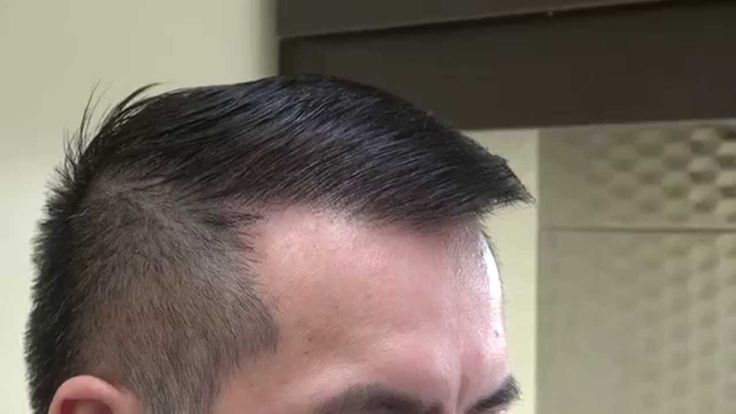
Understanding FUE Hair Transplant in Dubai
FUE hair transplant in Dubai is an advanced hair restoration approach that transfers individual follicular units from a donor region to areas where hair has become thinner or less dense. Understanding what happens before, during, and after the procedure can make the overall treatment journey easier to understand and help set practical expectations.
The process is generally planned around the person's existing hair pattern rather than using a single approach for everyone. The amount of available donor hair, the pattern of thinning, hair characteristics, and the desired coverage can all influence the treatment plan.
What Happens Before the Procedure?
Preparation begins with an assessment of the scalp and hair pattern. The areas affected by hair loss are evaluated alongside the donor region to determine whether sufficient follicles are available for transplantation.
The intended recipient areas may also be mapped out before treatment. This can include consideration of the frontal hairline, temples, mid-scalp, or crown, depending on where thinning has occurred.
Planning the Hairline
Hairline planning is particularly important because the front of the scalp is highly visible. Its position and shape can be designed to complement existing facial proportions while maintaining a natural transition between transplanted and existing hair.
Evaluating Donor Hair
The donor area is another major part of treatment planning. Its density, follicle quality, and available supply help determine how many grafts can reasonably be transferred without unnecessarily reducing donor coverage.
What Happens During FUE?
During the procedure, individual follicular units are carefully extracted from the selected donor area. These units contain naturally occurring groups of hairs and are handled individually throughout the transplantation process.
After extraction, the grafts are prepared for placement. Recipient sites are then created in the areas requiring additional coverage. Each follicle is positioned according to the planned direction and distribution.
Why Individual Graft Placement Matters
Hair grows in different directions across different areas of the scalp. The frontal region, temples, and crown can each have their own natural patterns. Reproducing these patterns during transplantation can help the new growth blend more naturally with surrounding hair.
Graft placement also involves balancing coverage with the available donor supply. Using follicles strategically can help address the areas where additional density is most noticeable.
What Is the Early Recovery Like?
Immediately after treatment, the scalp may show temporary redness, sensitivity, or small crusts around the extraction and implantation sites. These effects can gradually settle as the scalp heals.
The early recovery period is also when careful scalp handling becomes important. Activities and hair-care practices may need to be adjusted temporarily according to the recommended aftercare instructions.
Does Transplanted Hair Grow Immediately?
Transplanted hair follows a natural growth cycle, so immediate full growth should not be expected. Some transplanted hairs may shed during an early stage before the follicles enter a new growth phase.
Over the following months, new hair gradually becomes visible. The texture, length, and density can continue changing as the growth cycle progresses.
How Long Does It Take to See Results?
Hair restoration develops progressively. Early changes may be subtle, while more noticeable improvement can become apparent as new hairs grow longer and thicker.
The timeline differs between individuals because follicular growth is influenced by natural hair cycles and personal characteristics. Comparing progress with someone else's timeline may therefore create unrealistic expectations.
What Can Influence Your Outcome?
Several elements can affect the appearance of the final result. These include the quality of the donor follicles, existing hair density, the extent of hair loss, scalp characteristics, graft handling, placement strategy, and natural growth response.
Future hair loss can also influence the overall appearance. A long-term approach to hair restoration should therefore consider the existing hair as well as the transplanted follicles.
Making the Most of the Recovery Period
Following the recommended aftercare routine can support a smooth recovery. Gentle handling of the scalp, appropriate washing practices, and temporary avoidance of activities that may interfere with healing can all be important during the early stages.
As healing progresses, normal hair-care routines can generally be reintroduced according to individual recovery guidance.
Final Thoughts
Knowing what to expect from FUE hair transplant in Dubai can make the hair restoration journey easier to understand, from donor-area assessment and graft extraction to placement, recovery, and gradual regrowth. A realistic approach focuses on natural hair patterns, available donor resources, and long-term expectations. TAJMEELS CLINIC can be considered when exploring personalized hair restoration options and understanding the different stages involved in FUE transplantation.
For More Details, Contact Us Through:
WhatsApp: +971 56 203 8751
Phone: +971 4 373 9000
Social Media:

Provide health services













Comments (0)