

What Happens During Rhinoplasty Surgery in Dubai?
Undergoing a nose reshaping procedure involves several carefully planned stages, from the initial preparation to the surgical adjustments and early recovery period. People considering Rhinoplasty Surgery in Dubai often want to understand exactly what happens during the operation and how different nasal features are modified. Rhinoplasty is not a single technique used for every individual. The surgical approach depends on the existing nasal structure, the changes required, and whether the procedure focuses on appearance, function, or both. Knowing what happens during surgery can help individuals feel more prepared and understand the treatment process. What Happens Before the Surgery Begins? Before the operation, the treatment plan is reviewed to confirm the intended changes and surgical approach. The nasal structure, skin characteristics, medical history, and individual expectations are considered during the planning stage. The preparation process may include reviewing previ
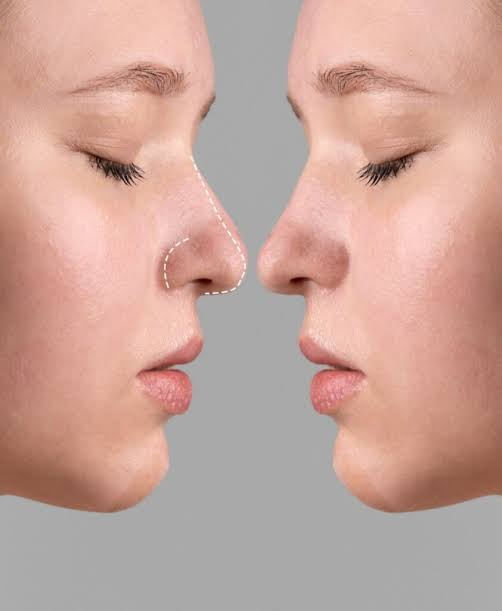
Undergoing a nose reshaping procedure involves several carefully planned stages, from the initial preparation to the surgical adjustments and early recovery period. People considering Rhinoplasty Surgery in Dubai often want to understand exactly what happens during the operation and how different nasal features are modified.
Rhinoplasty is not a single technique used for every individual. The surgical approach depends on the existing nasal structure, the changes required, and whether the procedure focuses on appearance, function, or both. Knowing what happens during surgery can help individuals feel more prepared and understand the treatment process.
What Happens Before the Surgery Begins?
Before the operation, the treatment plan is reviewed to confirm the intended changes and surgical approach. The nasal structure, skin characteristics, medical history, and individual expectations are considered during the planning stage.
The preparation process may include reviewing previous medical records, confirming medication instructions, and completing the necessary preoperative checks.
Patients are generally advised to follow fasting instructions before receiving anaesthesia. The surgical team also confirms the planned procedure and answers any remaining questions.
How Is Anaesthesia Administered?
Rhinoplasty is commonly performed under general anaesthesia, although the anaesthesia plan depends on the procedure and individual circumstances.
Under general anaesthesia, the patient remains unconscious throughout the operation and does not experience the surgical procedure.
An anaesthesia professional monitors important functions such as breathing, heart rate, blood pressure, and oxygen levels during surgery.
The choice of anaesthesia is based on the planned surgical technique, medical history, and overall safety considerations.
How Does the Surgeon Reshape the Nose?
Once anaesthesia has taken effect, the planned surgical approach is used to access the nasal framework. Adjustments may involve bone, cartilage, and supporting tissues.
For example, a prominent nasal bridge may require careful modification of the underlying bone and cartilage. A rounded nasal tip may need selected changes to its supporting cartilage to improve definition.
The exact steps vary according to the individual's nasal anatomy. Maintaining sufficient structural support is important because excessive modification can affect both appearance and nasal function.
Understanding Open Rhinoplasty
Open rhinoplasty is a technique that provides direct visibility of the underlying nasal structures.
A small incision is made across the columella, the tissue between the nostrils, along with internal incisions. This allows the nasal skin and soft tissues to be carefully lifted for better access.
Why Is the Open Technique Used?
This approach may be useful when detailed structural changes are required. It can provide greater visibility when correcting complex nasal asymmetry, refining the tip, or performing revision procedures.
Does Open Rhinoplasty Leave a Scar?
The technique involves a small external incision. The resulting scar is generally positioned in a less noticeable area beneath the nose, although its appearance varies according to individual healing.
Understanding Closed Rhinoplasty
Closed rhinoplasty uses incisions placed inside the nostrils. This approach allows selected nasal changes to be performed without an external columellar incision.
It may be appropriate for certain bridge adjustments and other modifications that can be completed through internal access.
The choice between open and closed rhinoplasty depends on the required corrections, nasal anatomy, and surgical considerations. Neither technique is automatically suitable for every patient.
How Is the Nasal Bridge Modified?
The nasal bridge is one of the most noticeable parts of the nose, particularly when viewed from the side.
If an individual has a prominent hump, the underlying bone and cartilage may be adjusted to create a smoother contour. Other procedures may involve modifying bridge width or correcting uneven alignment.
The amount of modification depends on the existing nasal framework. Preserving appropriate support is essential for maintaining a stable and natural-looking result.
How Is the Nasal Tip Refined?
The nasal tip is made up primarily of cartilage and surrounding soft tissues. Its shape influences the overall appearance of the nose.
During surgery, selected cartilage adjustments may be used to change tip definition, projection, or rotation. Structural support techniques may also be required to maintain the desired shape.
Skin thickness is an important consideration because thicker skin can make fine tip definition less visible and may take longer to settle during recovery.
What Happens to the Incisions After Reshaping?
After the planned adjustments are completed, the incisions are carefully closed using appropriate sutures.
Depending on the procedure, internal support materials or an external nasal splint may be used. These help protect the nose and maintain stability during the early healing stage.
The nose may also be covered with protective dressings according to the surgical plan.
How Long Does the Operation Take?
The duration of Rhinoplasty Surgery in Dubai varies according to the complexity of the procedure.
A relatively straightforward cosmetic adjustment may take less time than a complex operation involving structural reconstruction, significant asymmetry, or revision surgery.
The overall treatment time also depends on the surgical approach and whether additional procedures are performed.
What Happens Immediately After Surgery?
Following the operation, the patient is transferred to a recovery area where vital signs are monitored as the effects of anaesthesia wear off.
Temporary congestion, swelling, bruising, and discomfort may occur. The nose may feel blocked because of swelling and internal dressings.
Before discharge, appropriate postoperative instructions are provided. Depending on the procedure and individual recovery, some patients may return home the same day, while others may require additional observation.
What Should You Expect During Early Healing?
The first few days generally involve rest and protection of the nasal area. Swelling and bruising around the nose and eyes may be noticeable.
An external splint is commonly removed according to the postoperative schedule. Although the initial appearance becomes clearer over time, the nose remains in the healing process for several months.
Strenuous exercise, heavy lifting, and activities that could cause accidental pressure should be avoided until the appropriate clearance is given.
Can the Surgical Process Improve Breathing?
In certain cases, rhinoplasty may be combined with functional procedures to address structural problems that interfere with airflow.
For example, septoplasty may be performed to correct a deviated septum. Other internal adjustments may be considered depending on the cause of nasal obstruction.
However, cosmetic reshaping alone does not guarantee improved breathing. Functional concerns require separate evaluation and an appropriate treatment plan.
Final Thoughts
Understanding each stage of nasal surgery can make the treatment journey easier to approach. From anaesthesia and structural adjustments to incision closure and early recovery, every step plays a role in the overall outcome. Individuals considering Rhinoplasty Surgery in Dubai can explore treatment information and personalised aesthetic options through TAJMEELS CLINIC while keeping realistic expectations and individual nasal anatomy in mind.
For More Details, Contact Us Through:
WhatsApp: +971 56 203 8751
Phone: +971 4 373 9000
Social Media:

Provide health services








Comments (0)