

Why Does Your EV Charger Plug Become Hot During Charging?

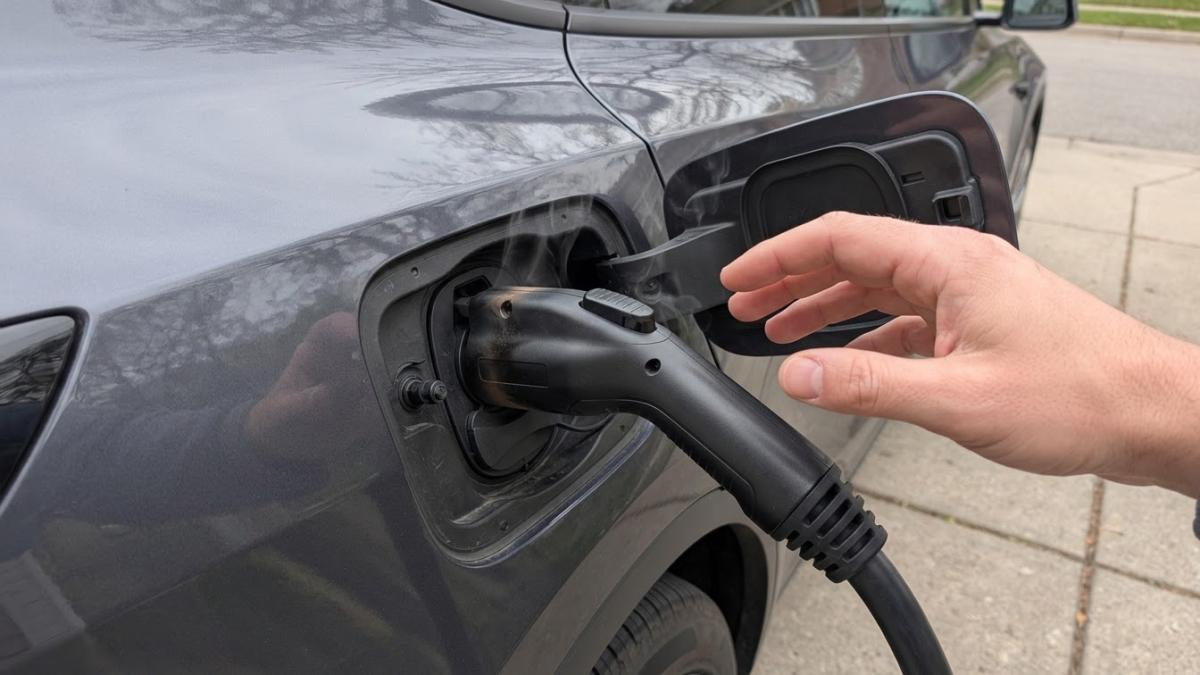
A homeowner plugs a Level 2 electric vehicle charger into a garage receptacle and begins charging overnight. The charging session completes, but the plug feels unusually hot when it is disconnected. The homeowner has noticed the warmth several times and wonders whether the outlet is suitable for continuous charging.
Electrical connectors can become somewhat warm during normal operation, depending on their design and the current passing through them. However, excessive heat, discoloration, burning odors, or deformation can indicate a dangerous electrical connection problem. The charger should not continue operating when these warning signs appear.
Why EV Charging Places Sustained Demand on Connections
Level 2 charging equipment can draw substantial current over several hours. Unlike appliances that operate briefly, a charger may maintain a relatively steady electrical load throughout much of a charging session. Every connection in the charging circuit must therefore be suitable for the equipment and intended operating current.
The plug, receptacle, wiring, breaker, and charger settings all form part of this installation. However, heat at the plug does not automatically mean the household electrical service lacks capacity. The problem may be localized to the connection itself. An electrician should determine where the abnormal heating originates before recommending changes.
How Contact Resistance Can Produce Heat
A plug and receptacle rely on suitable contact between their conductive parts. If the connection becomes loose, worn, contaminated, or damaged, resistance may increase at the contact point. Electrical current passing through this resistance can produce additional heat.
However, a warm plug alone does not identify a particular defective contact. The actual condition requires qualified assessment. Homeowners should not bend plug blades, tighten receptacle terminals, or apply cleaning products to electrical contacts. A damaged connection may need replacement with equipment suitable for the charging installation.
Why the Receptacle Rating Matters
A plug-connected EV charger must use a compatible receptacle and branch circuit that satisfy the equipment's installation requirements. The receptacle's configuration alone does not establish the suitability of the wiring behind it.
Some receptacles are intended for different applications and operating conditions. The electrician should evaluate the listed equipment, installation method, and expected continuous current. Installing a higher-rated receptacle on an unsuitable circuit does not increase conductor capacity. A complete inspection should consider the connection and its protective equipment.
Can Incorrect Charger Settings Cause Overheating?
Many chargers allow a maximum charging current to be configured during installation. The setting must match the approved electrical circuit and charger specifications. Operating at an unsuitable current can create unsafe conditions.
However, lowering a setting is not an acceptable substitute for repairing an already damaged connection. If the plug or receptacle has overheated, it should be evaluated before charging resumes. An electrician can verify whether the equipment settings and installed electrical components are compatible.
Should You Switch to a Hardwired Charger?
Some Level 2 chargers can be installed through a permanent hardwired connection, while others use approved plug-and-receptacle arrangements. The preferred installation depends on equipment specifications, intended location, and applicable electrical requirements.
A hardwired arrangement eliminates one plug-and-receptacle interface, but it still requires correct conductors, terminals, protection, and installation. It is not automatically immune to overheating. The electrician should recommend the connection method based on the actual charging system rather than assume that one approach resolves every electrical problem.
What Warning Signs Require Immediate Attention?
Discontinue using the charger if the plug, receptacle, or cable shows melting, discoloration, unusual heat, sparking, or burning odors. Do not continue charging to see whether the condition repeats, and do not use adapters or extension cords to bypass the affected connection.
If equipment is visibly damaged or unsafe to handle, keep clear and seek professional assistance. Do not attempt to unplug a melting or sparking connection while the circuit is energized. The appropriate response depends on the severity of the condition and whether power can be isolated safely.
When Should an Electrician Inspect the Charger?
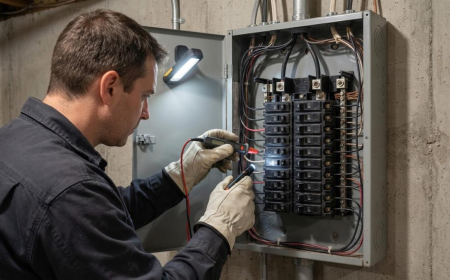
Professional EV Charger Installation involves evaluating circuit capacity, protective equipment, charging current, and connection requirements. If a plug-connected charger develops excessive heat, a qualified electrician should examine the relevant installation before it returns to use.
The inspection may identify a damaged receptacle, unsuitable circuit, incorrect setting, or defective charging equipment. The homeowner should retain any relevant model details and describe when the heat appeared. The recommended repair should address the confirmed cause.
Conclusion
An EV charging plug can become dangerously hot when electrical connections are damaged, unsuitable, or carrying current under improper conditions. Sustained charging demand makes correct installation and connection quality particularly important.
Understanding Joule heating helps explain why electrical resistance produces heat. Stopping use and arranging qualified inspection is the appropriate response to abnormal connector temperatures.











Comments (0)