

The Surprising Ways Your Daily Routine Affects Your Oral Health
Discover how everyday habits like brushing, snacking, hydration, and sleep affect your oral health, plus simple tips for healthier teeth and gums.

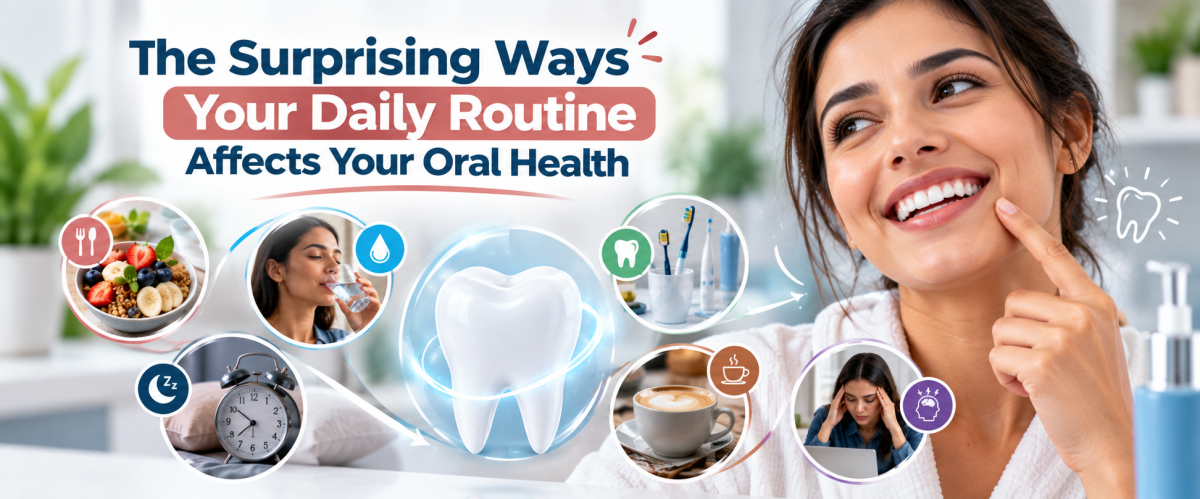
The Surprising Ways Your Daily Routine Affects Your Oral Health
Your teeth and gums are affected by more than the toothbrush you use. The small things you do every day, like drinking coffee, snacking between meals, or going to bed without brushing, can influence your oral health over time.
You may not notice a problem straight away. That is part of the reason daily habits are easy to overlook. A routine that feels harmless today may slowly increase your risk of tooth decay, gum irritation, or sensitivity.
The good news is that you do not need to change your whole lifestyle. A few simple habits can help you take better care of your mouth.
How Does Your Daily Routine Affect Your Oral Health?
Your mouth is constantly changing throughout the day. Saliva helps wash away food particles and balance acids. At the same time, bacteria in dental plaque can use sugars from food and drinks to produce acids that weaken tooth enamel.
Your routine affects how often your teeth face these acids, how well plaque is removed, and whether your mouth stays comfortably moist. Let’s look at some everyday habits that can make a difference.
1. Rushing Through Brushing Can Leave Plaque Behind
Brushing your teeth is a good habit, but doing it too quickly may mean missing areas where plaque collects. The back teeth, gumline, and spaces around crowded teeth can be tricky to clean.
Aim to brush for two minutes, twice a day, using a soft-bristled toothbrush and fluoride toothpaste. Move gently around each tooth instead of scrubbing hard. Brushing with too much pressure can irritate your gums and contribute to wear near the gumline.
It can help to follow the same pattern every time. For example, clean the outer surfaces first, then the inner surfaces, and finish with the chewing surfaces.
2. Sipping Coffee Throughout the Morning May Affect Your Teeth
Coffee is part of many people’s daily routine. You do not have to stop drinking it, but the way you enjoy it can matter.
Coffee can stain teeth, especially when you drink it often. If you add sugar or flavoured syrup, you also increase the amount of sugar your teeth are exposed to.
Try to finish your coffee within a reasonable period instead of sipping it for hours. Drinking water afterward can help rinse your mouth. If you enjoy sweetened coffee, reducing the added sugar gradually may be easier than cutting it out all at once.
3. Forgetting to Drink Water Can Leave Your Mouth Dry
When work gets busy, drinking water can be easy to forget. A dry mouth may seem like a minor issue, but saliva has an important role in oral health.
It helps clear food particles, balance acids, and support the minerals in tooth enamel. When saliva flow is low, the risk of tooth decay may increase.
Keep a glass or bottle of water nearby and take regular sips. If your mouth often feels dry, especially when you wake up, mention it to a dentist or healthcare professional. Some medicines and health conditions can reduce saliva flow.
4. Frequent Snacking Gives Teeth More Sugar Exposure
A biscuit with tea, a sweet snack at your desk, and a dessert after dinner may not seem like much. The concern is how often your teeth come into contact with sugar.
Plaque bacteria use sugars from food and drinks to produce acids. Frequent snacking can mean repeated acid attacks, leaving less time for your mouth to recover between them.
Try to keep regular meal times and reduce grazing throughout the day. When you need a snack, options such as plain yoghurt, cheese, vegetables, or nuts may be more tooth-friendly than sticky sweets.
5. Skipping Your Night-Time Routine Can Affect Oral Health
After a long day, brushing before bed can feel like one more task. Still, regularly skipping it allows plaque and food debris to remain on your teeth overnight.
Make brushing part of a routine you already follow, such as getting ready for bed. Brush with fluoride toothpaste and clean between your teeth once a day.
After brushing at night, avoid eating or drinking anything other than water. This small step helps keep your teeth clean while you sleep.
6. Stress May Lead to Jaw Clenching or Teeth Grinding
Stress can affect the body in different ways. Some people clench their jaw during the day or grind their teeth while sleeping, often without noticing.
Repeated clenching or grinding may cause jaw soreness, headaches, tooth sensitivity, or worn tooth surfaces. These symptoms can have other causes, so it is best not to assume stress is the only reason.
If you wake up with a tight jaw or notice that your teeth feel different, ask a dentist for an examination. They can check for signs of grinding and discuss whether a night guard or another approach may help.
7. Sleeping With Your Mouth Open May Cause Dryness
Some people breathe through their mouth while sleeping, particularly when their nose is blocked. This can leave the mouth dry by morning.
Ongoing dryness may contribute to bad breath and can raise the risk of dental problems. If you regularly wake with a dry mouth, have persistent nasal congestion, or snore heavily, discuss these symptoms with a healthcare professional.
Mouth breathing can have different causes, so it is worth finding out what may be behind it rather than treating it as just a habit.
8. Dental Check-Ups Can Catch Problems Early
Daily brushing and flossing are essential, but they cannot always reveal a cavity or early gum disease. Some dental problems develop without causing pain at first.
Regular dental visits give a dentist a chance to examine your teeth and gums, check for changes, and suggest care based on your needs. If you are searching for a Best Dental Clinic in Deira, look for a clinic that offers preventive check-ups and explains your oral health needs clearly.
How often you need a check-up depends on your dental history and risk factors. Your dentist can recommend a suitable schedule.
Common Questions About Daily Habits and Oral Health
Can a good daily routine prevent every dental problem?
No. Good habits can lower the risk of many dental problems, but they cannot guarantee that you will never develop one. Health conditions, medications, genetics, and other factors can also affect oral health.
Is brushing once a day enough?
Brushing twice a day with fluoride toothpaste is generally recommended. Brushing only once may leave plaque on your teeth for longer, especially if you miss certain areas.
Why are my teeth sensitive even though I brush regularly?
Sensitivity can be linked to enamel wear, gum recession, cavities, or a cracked tooth. Brushing too hard may contribute, but it is not the only possible cause. If sensitivity continues, arrange a dental examination.
Small Changes Can Support a Healthier Smile
Your oral health is connected to everyday choices. Brushing carefully, drinking water, limiting frequent sugary snacks, and keeping up with dental visits can all help protect your teeth and gums.
You do not have to change everything at once. Start with one or two habits that feel manageable and build from there. If you notice tooth pain, bleeding gums, ongoing dryness, or sensitivity, get it checked rather than waiting for the problem to go away.













Comments (0)