

Arm Lift Surgery in Dubai: What to Expect
Understand what to expect from Arm Lift Surgery in Dubai, from initial preparation and surgical steps to healing, recovery, and final upper arm results.
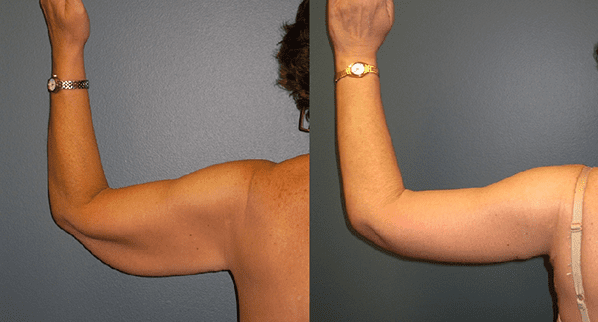
Changes in skin elasticity, ageing, and significant weight loss can affect the appearance of the upper arms. Some individuals develop hanging skin that remains noticeable despite maintaining a healthy lifestyle and exercising regularly. When this concern becomes difficult to manage through conventional methods, surgical body contouring may be considered.
Arm Lift Surgery in Dubai is designed to reshape the upper arms by removing excess skin and creating a smoother outline. Knowing what happens before, during, and after the procedure can make the experience easier to understand and help individuals prepare for each stage.
Understanding the Arm Lift Procedure
An arm lift, medically known as brachioplasty, is a surgical procedure that addresses loose skin around the upper arms. The treatment focuses on improving the contour between the armpit and elbow, depending on the amount of excess tissue.
During surgery, an incision is made in a carefully selected area. Excess skin is removed, and the remaining tissue is repositioned to achieve a firmer appearance. In some cases, liposuction may be considered alongside skin removal when localised fat deposits are also present.
The technique depends on individual anatomy, skin condition, and the desired degree of correction.
What Happens Before Arm Lift Surgery?
Preparation begins with an assessment of the upper arms and a discussion about personal expectations. Medical history, existing health conditions, previous procedures, and current medications are important parts of the evaluation.
The treatment plan is developed according to the amount of loose skin and the areas requiring improvement. Individuals should discuss any concerns about scars, recovery time, and possible complications before making a decision.
Preoperative instructions may include avoiding certain medications or supplements and stopping smoking for an appropriate period. Following these recommendations can help reduce avoidable surgical risks.
What Happens on the Day of Surgery?
On the day of the procedure, the surgical team reviews the treatment plan and prepares the patient for surgery. The procedure is generally performed under anaesthesia, with the specific approach determined by individual requirements.
The upper arms are assessed and marked to guide incision placement. The planned area is then treated according to the selected technique.
The duration of surgery varies depending on the complexity of the procedure and whether additional contouring is required.
How Excess Skin Is Removed
Once the incision is made, the surgeon removes the amount of loose skin identified during treatment planning. The remaining tissue is adjusted to improve the shape of the upper arm.
When necessary, additional fat reduction may be performed to create a more balanced contour. Careful tissue positioning is important for achieving a natural-looking result.
The incisions are then closed with sutures, and appropriate dressings are applied to protect the treated area.
What to Expect Immediately After Surgery
After the procedure, patients are monitored while recovering from anaesthesia. Swelling, bruising, tenderness, and tightness around the upper arms are common during the early healing period.
The arms may feel uncomfortable when performing certain movements, particularly those involving stretching or lifting. Compression garments may be recommended to provide support and help control swelling.
Discharge arrangements depend on the surgical plan and individual recovery. Instructions regarding wound care, medication, and follow-up appointments should be followed carefully.
Understanding the First Few Weeks of Recovery
The initial recovery period requires patience and appropriate activity management. Although some everyday activities may be resumed gradually, strenuous exercise and heavy lifting should be avoided until healing allows.
Swelling generally decreases over time, but the rate of improvement varies between individuals. Keeping the incision areas clean and following dressing instructions are important parts of postoperative care.
Sleeping comfortably and avoiding unnecessary pressure on the arms may also help during the early stages of healing.
When Will the Final Results Become Visible?
The upper arms may look different immediately after surgery, but early swelling can make it difficult to evaluate the actual outcome. As the tissues heal and swelling reduces, the contours gradually become more noticeable.
The appearance of scars also changes over time. Initially, incision lines may appear red or raised before gradually maturing.
Final results develop progressively rather than appearing overnight. Individual healing characteristics and the extent of skin removal influence the overall timeline.
Will Arm Lift Surgery Leave Visible Scars?
Scarring is an expected part of brachioplasty because excess skin must be removed through surgical incisions. The location and length of the scars depend on the amount of tissue requiring correction.
In many cases, incisions are positioned along the inner or back portion of the upper arm. Although this placement may make scars less noticeable from certain angles, complete scar elimination is not possible.
Following wound-care recommendations and protecting healing skin from direct sunlight can support better scar management.
Possible Risks and Important Precautions
Arm lift surgery carries potential complications, including infection, bleeding, fluid accumulation, delayed healing, changes in skin sensation, asymmetry, and unfavourable scarring.
Temporary swelling and discomfort are also possible during recovery. Patients should contact their medical team if they experience unusual pain, increasing redness, fever, excessive swelling, or unexpected wound changes.
Understanding these risks before treatment helps individuals make informed decisions and prepare appropriately.
How to Maintain Your Improved Arm Contour
Long-term results depend partly on maintaining a stable body weight and healthy lifestyle. Significant weight fluctuations can affect the remaining skin and change the appearance of the upper arms.
Once recovery is complete, suitable exercise can help maintain overall muscle tone and fitness. A balanced diet and consistent daily habits also support general wellbeing.
Following recommended aftercare and attending follow-up assessments can help monitor the long-term outcome.
Conclusion
Arm Lift Surgery in Dubai involves several stages, from initial assessment and surgical planning to skin removal and gradual recovery. Understanding each step helps individuals develop realistic expectations about the procedure, healing period, and potential results. Proper preparation and consistent aftercare are important for a positive surgical experience. TAJMEELS CLINIC can be explored by individuals interested in learning more about upper arm contouring and the available approaches to addressing loose skin.
For More Details, Contact Us Through:
WhatsApp: +971 56 203 8751
Phone: +971 4 373 9000
Social Media:

Provide health services







Comments (0)