

Chemical Peels in Dubai: How Does It Work?
Understand how Chemical Peels in Dubai work, including exfoliation, active ingredients, skin renewal, treatment stages, and recovery for a smoother complexion.
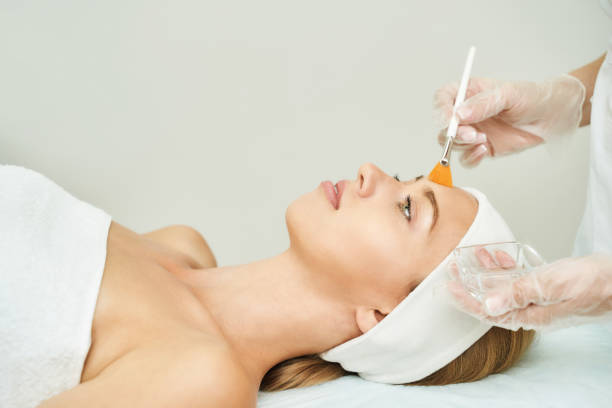
The skin naturally sheds dead cells to maintain a fresh and healthy surface. However, this process can become less efficient because of ageing, sun exposure, excess oil, and environmental factors. As a result, the complexion may appear dull, rough, or uneven. Chemical Peels in Dubai (التقشير الكيميائي في دبي) provide a professional exfoliation approach that helps remove accumulated surface cells and encourages skin renewal. Understanding the science behind this treatment explains how it works and why different formulations are used for different skin concerns.
Understanding the Science Behind Chemical Peels
A chemical peel uses a specially formulated solution containing exfoliating ingredients to loosen the bonds holding dead skin cells together. Once these connections are weakened, the outermost cells can shed more easily through the natural skin renewal process.
Depending on the ingredients and concentration, the solution may work on the epidermis or reach deeper layers of the skin. Superficial peels focus mainly on surface exfoliation, while medium and deep peels produce more extensive skin changes.
The treatment is selected according to the individual's skin condition, sensitivity, and desired outcome. Stronger formulations are not automatically better because excessive exfoliation can increase irritation and complications.
How Chemical Peels in Dubai Work Step by Step
Understanding each stage of the procedure can help you know what happens before, during, and after treatment.
Step 1: Skin Assessment
The first stage involves examining the skin to identify concerns such as acne, pigmentation, uneven texture, and sun damage.
Your skincare history, sensitivity, previous treatments, and current products may also be reviewed. This information helps determine whether a chemical peel is suitable and which ingredients should be considered.
Step 2: Skin Cleansing
The treatment area is thoroughly cleansed to remove makeup, excess oil, and accumulated impurities. Clean skin allows the exfoliating solution to be applied more evenly.
Additional preparation may be required depending on the type of peel and individual skin condition.
Step 3: Application of the Peeling Solution
The selected chemical solution is carefully applied to the treatment area. Its active ingredients begin working by weakening the bonds between dead skin cells.
During this stage, you may experience mild tingling, warmth, or temporary stinging. The sensation varies according to the formulation and skin sensitivity.
Step 4: Monitoring the Skin Response
The application period depends on the chemical ingredients, concentration, and treatment depth. The skin is monitored to ensure the solution produces the intended exfoliating effect.
Some formulations require neutralisation, while others are removed according to their specific instructions.
Step 5: Post-Treatment Skincare
Once the application is complete, suitable soothing and moisturising products may be applied. Sun protection is also important because exfoliated skin can be more sensitive to ultraviolet exposure.
Which Ingredients Make Chemical Peels Effective?
Different exfoliating acids have different properties. Their selection depends on the concern being addressed and how the skin responds.
Glycolic Acid
Glycolic acid is an alpha hydroxy acid derived from sugarcane. It has a relatively small molecular size, allowing it to exfoliate the outer skin layer effectively.
It is commonly used to improve dullness, uneven texture, and superficial pigmentation.
Salicylic Acid
Salicylic acid is a beta hydroxy acid that is particularly useful for oily and acne-prone skin. Because it is oil-soluble, it can penetrate into pores and help remove accumulated oil and dead skin cells.
It is frequently considered for blackheads, whiteheads, and pore congestion.
Lactic Acid
Lactic acid provides surface exfoliation while also attracting moisture. It may be useful for individuals experiencing dullness, mild roughness, and dryness.
Trichloroacetic Acid
Trichloroacetic acid, commonly called TCA, is used in selected medium-depth and deeper peeling formulations. It produces controlled exfoliation and is used for certain pigmentation concerns, sun damage, and fine lines.
Its concentration and application require careful assessment because stronger peels carry additional risks.
What Happens to Your Skin After Exfoliation?
After the treatment, the skin begins its natural recovery process. Depending on the peel strength, you may notice redness, tightness, dryness, or visible flaking.
As older surface cells shed, newer cells become more visible. This can gradually improve the appearance of dullness and uneven texture.
The recovery period varies. Superficial peels often involve mild peeling over several days, while medium-depth treatments may require one to two weeks or longer for recovery. Deep peels involve substantially more healing time.
It is important not to remove loose skin manually because doing so can cause irritation, infection, or scarring.
How Deep Do Chemical Peels Work?
The depth of exfoliation determines how extensively the treatment affects the skin.
Superficial peels work mainly within the outer epidermal layer and are generally selected for mild pigmentation, dullness, and rough texture.
Medium-depth peels reach further into the epidermis and may extend to the upper dermis. They can be considered for selected sun-related changes, pigmentation, and fine lines.
Deep peels affect more substantial skin layers and involve greater recovery requirements. They are reserved for carefully selected cases because complications can be more significant.
What Skin Improvements Can You Expect?
The results depend on the skin concern and treatment formulation. Some individuals notice a brighter appearance and smoother texture after the recovery period.
Chemical exfoliation may also help improve the appearance of superficial acne marks, clogged pores, and uneven pigmentation. More persistent concerns generally require multiple sessions or alternative treatments.
It is important to remember that chemical peels cannot guarantee completely flawless skin or permanently prevent future breakouts and pigmentation.
Factors That Influence Treatment Results
Several factors affect how the skin responds to exfoliation. The concentration and type of acid influence the depth and intensity of treatment. Individual skin sensitivity and the condition of the skin barrier also play important roles.
Sun exposure, skincare habits, and adherence to aftercare instructions can influence recovery and visible improvements.
People with pigmentation-prone skin may need a more cautious approach because excessive inflammation can trigger post-inflammatory hyperpigmentation.
How to Care for Your Skin After a Chemical Peel
Aftercare helps protect the skin while it recovers. Use a gentle cleanser and a suitable moisturiser to prevent unnecessary dryness and irritation.
Apply broad-spectrum sunscreen with SPF 30 or higher every day, even when spending limited time outdoors. Avoid excessive heat and direct sunlight during the recommended recovery period.
Do not use exfoliating scrubs, retinoids, or strong active ingredients until the skin has healed and their use is considered appropriate.
Final Thoughts
Chemical exfoliation works by loosening accumulated dead skin cells and supporting the natural renewal process, helping improve the appearance of dullness, uneven texture, and certain pigmentation concerns. Understanding how Chemical Peels in Dubai work makes it easier to choose an appropriate treatment approach and establish realistic expectations. With suitable skin assessment and consistent aftercare, TAJMEELS DUBAI عيادة تجميل can be explored by individuals interested in professional skin-rejuvenation options.

Provide health services






Comments (0)