

Nasha Mukti Kendra in Sangrur: Help for Farmers Who Carry Everything Alone
Debt worry, weather stress and long lonely days can feed addiction on the farm. Learn how a Nasha Mukti Kendra in Sangrur helps farmers plan treatment around the crop cycle.
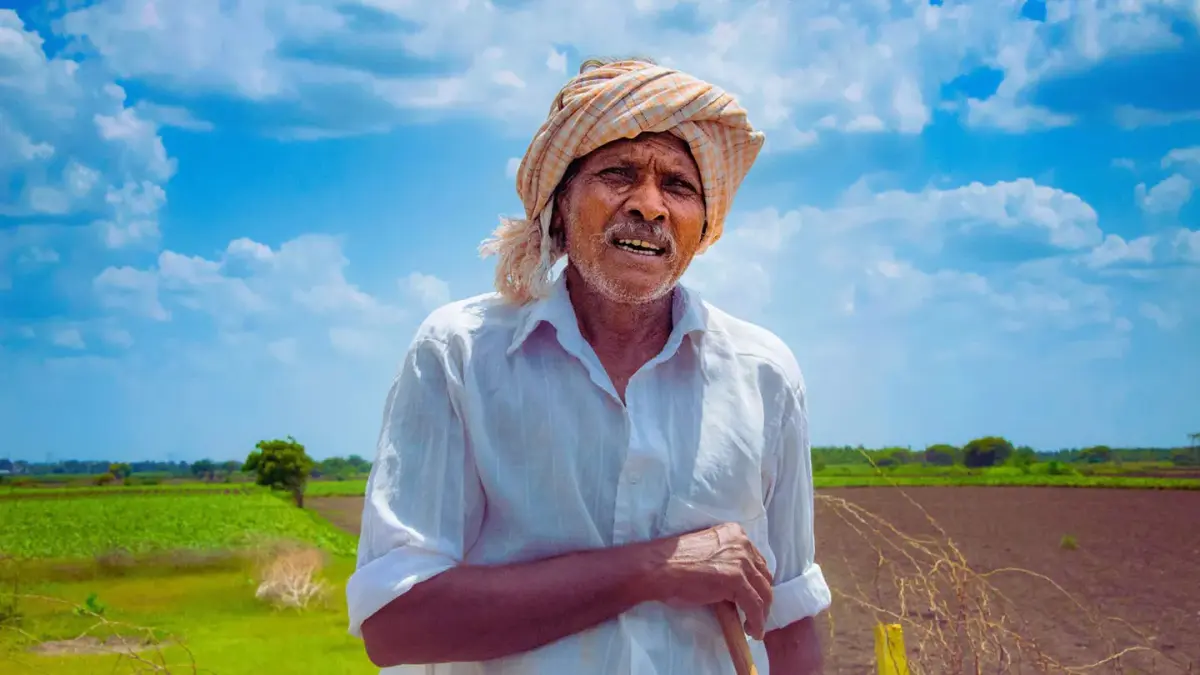
A farmer’s year is built on waiting: for rain, for the crop, for the mandi payment, for the price to turn. Between all that waiting there is a lot of pressure and very little room to talk about it. Over time, a drink at the tubewell, a few tablets for sleep or a pouch of tobacco can quietly turn from relief into routine. This blog is for farmers and for the people who share a field with them. It explains why the land can make addiction easier to hide and harder to leave, and how a Nasha Mukti Kendra in Sangrur can help without pulling a person away from the life they love.
The Karza Ka Bojh
Loans from banks, arhtiyas and relatives sit heavily on many farms. The mind keeps running the same numbers at night: what is due, what is pending, what will come after the harvest. Sleep goes first, and then comes the search for something that switches the thoughts off. A peg or a tablet does that for an hour, then returns the worry with interest. Many people who speak with a Nasha Mukti Kendra in Sangrur describe this exact pattern: the habit began as a way to rest and slowly became another expense and another reason to worry.
Mausam Pe Zor Nahi
A farmer can do everything right and still lose a crop to hail or a sudden storm. That lack of control is tiring in a particular way. A substance offers a false kind of control, because it lets a person decide when to feel calm. The trouble is that the calm belongs to the substance, not to the person, and it fades just when the next worry arrives. Recognising this trade is often the first quiet turning point.
Akela Khet, Lamba Din
Mornings start early and days stretch long, often with no company except the machinery and the sky. Evenings bring a different kind of loneliness when everyone else is tired. On top of that, hospitality in many villages has a bottle attached: a guest arrives, a glass appears, and refusing feels rude. A farmer can slip into daily drinking without ever having a moment that felt like a decision. If this sounds familiar, you are not weak. You are living in a setting where the habit gets plenty of encouragement.
Thekka Door Nahi
Availability matters. Liquor vends, village shops, chemists and travelling sellers make substances easy to reach even for someone who wants to cut down. Easy access means the choice must be made again and again each day, which is exhausting. This is one reason why professional support works better than good intentions alone. A Nasha Mukti Kendra in Sangrur gives a person a structured space away from the constant supply, medical care to manage withdrawal safely and time to build new habits before returning to the same surroundings.
Why Farmers Delay Treatment
The reasons are usually practical, and they deserve respect. “Fasal kaun dekhega?” “Kaam ruk nahi sakta.” “Gaon mein pata chal jayega.” Behind each sentence is a real concern, and each concern has an answer. Fields can be looked after by a brother, a son, a trusted labourer or a neighbour for a few weeks. Information at a centre stays confidential. Work that waits a month is far better than work lost to years of declining health. The most common regret people share is not the time they spent in treatment but the years they spent putting it off.
Planning Treatment Around the Crop Cycle
Timing helps. Many farmers find the gap between sowing and the next heavy season the most comfortable window. Talk to a Nasha Mukti Kendra in Sangrur about dates early, so the stay is planned rather than rushed. Settle who will manage irrigation, labour and payments, and write the plan down so nobody has to call you in the middle of treatment. Ask the centre about follow-up, because the first months back on the farm are when old routines return. A short check-in call every few weeks can make the difference between a good start and a slow slide.
What Fellow Farmers Can Do
Villages run on quiet observation. If you notice a friend struggling, start with an ordinary invitation: a chai, a walk through the fields, a lift to the mandi. Skip the lecture. Speak about your own tiredness first, and he may speak about his. Keep gatherings drink-free when you can, since one person’s relief can become another’s setback. Offering to cover a few days of work removes the biggest barrier to treatment, and few gestures count for more.
A Season to Look After the Farmer Too
Farmers look after the soil, the animals and the family, yet often forget themselves. If you recognise your own story in these lines, reaching out to a Nasha Mukti Kendra in Sangrur is a practical step, as sensible as repairing a tractor before the busy season. Lifeline Foundations offers confidential guidance to individuals and families who want treatment to fit their real life, not interrupt it. Asking for help takes no more than one conversation, and it can protect everything you have worked so hard to grow.

At Lifeline Foundations, we provide a safe and supportive space for those battling drug and alcohol addiction. As a trusted Rehabilitation Centre in India, we focus on personalized care, mental healing, and complete recovery.










Comments (0)