

How Ayurvedic Oil Massage May Support Relaxation and Balance
Explore how Ayurvedic oil massage may support relaxation, body awareness and balance, along with simple Ayurvedic lifestyle tips for everyday wellbeing.
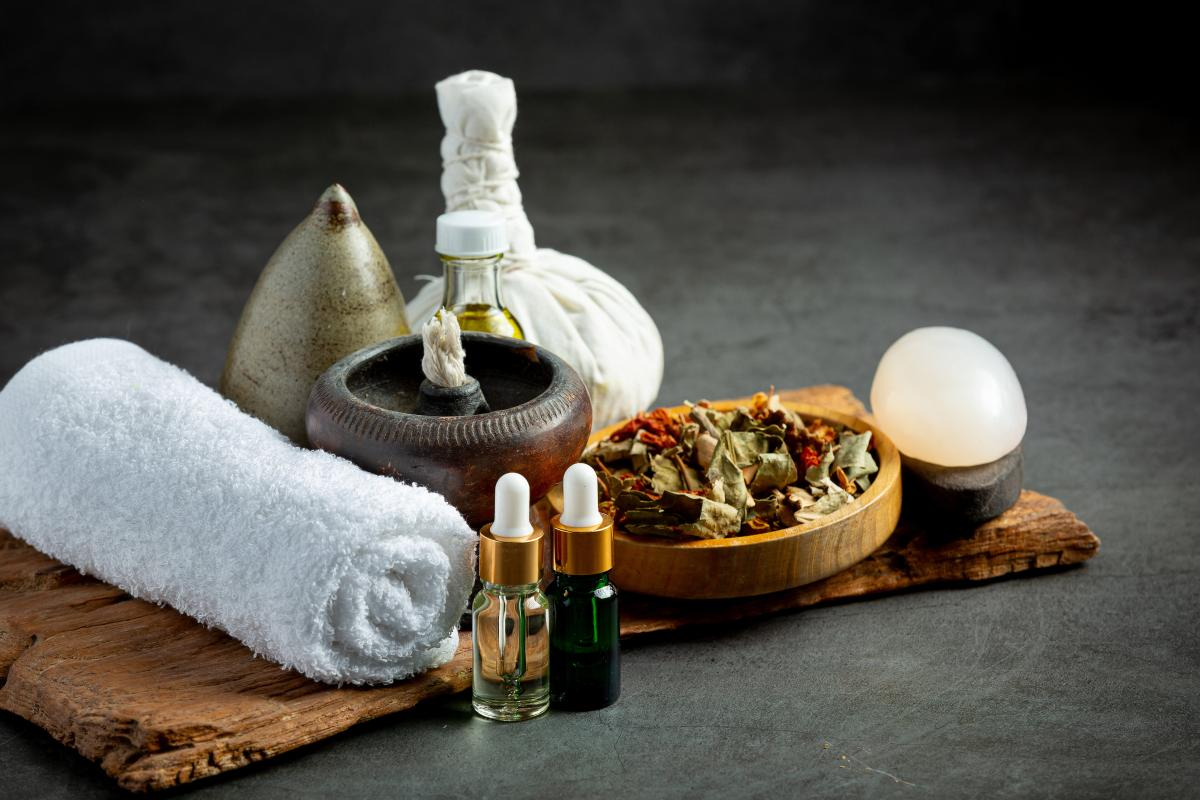
Modern life can make it difficult to slow down. Work, screens, busy schedules and constant responsibilities can leave little room for genuine rest. For many people, relaxation is not simply about taking a day off. It is about creating regular moments that help the body and mind shift out of a constantly busy state. Ayurvedic oil massage, traditionally known as Abhyanga, is one practice that has been used in Ayurveda as part of a broader approach to daily wellbeing. It involves applying warm oil to the body using gentle, deliberate massage techniques.
While individual experiences vary, Ayurvedic oil massage can be a comforting addition to a balanced self-care routine. Understanding its traditional purpose, how it is practiced and where it may fit into modern life can help you decide whether it is right for you.
What Is Ayurvedic Oil Massage?
Ayurvedic oil massage is a traditional practice that involves applying oil to the body and massaging it with specific movements. The type of oil, massage approach and routine may vary according to traditional Ayurvedic principles and individual needs.
In Ayurveda, the body is viewed through the concept of three doshas: Vata, Pitta and Kapha. These are traditional frameworks used to describe different qualities and patterns in the body.
Abhyanga is particularly associated with routines intended to provide warmth, nourishment and grounding. It is often discussed in connection with Vata, which Ayurveda describes through qualities such as lightness, dryness and mobility.
It is important to understand that these concepts belong to the traditional Ayurvedic system and are not the same as medical diagnoses.
How Ayurvedic Oil Massage May Support Relaxation
One of the most commonly discussed Ayurveda oil massage benefits is its role in creating a relaxing experience.
The combination of warm oil, slow movements, a quiet environment and dedicated time away from daily tasks can encourage a sense of calm. For some people, the experience itself becomes a useful transition between a busy day and a period of rest.
1. Creates Time to Slow Down
A massage requires you to pause. Instead of moving between emails, household tasks and notifications, you spend time focusing on the physical experience.
This simple change in pace can make an Ayurvedic massage session feel restorative, particularly for people who rarely schedule intentional downtime.
2. Provides a Warm and Comforting Experience
Warm oil and gentle massage can feel soothing, especially during colder weather or after a long day.
In traditional Ayurveda, warmth and oil are commonly associated with qualities that can help counter dryness and restlessness, particularly within routines associated with Vata.
3. Encourages Body Awareness
Many people spend most of the day thinking about tasks rather than noticing how their body feels.
Massage can encourage greater awareness of areas that feel tense, tired or uncomfortable. This does not mean massage treats an underlying medical condition, but it can provide an opportunity to pay attention to your body's everyday signals.
4. Can Become Part of a Consistent Routine
Relaxation is often easier to maintain when it becomes a habit rather than something reserved for occasional breaks.
A regular, appropriate self-massage routine may provide a structured opportunity to slow down. The frequency can depend on personal preference, lifestyle and individual circumstances.
Ayurvedic Massage and the Idea of Balance
The idea of balance is central to Ayurveda. Rather than focusing only on one symptom or concern, traditional Ayurvedic approaches consider lifestyle, daily routines, food, sleep and other factors together.
This is why ayurvedic massage therapy is often considered alongside other lifestyle practices rather than as an isolated treatment.
For example, someone experiencing a particularly busy period may find that combining a calming evening routine with appropriate movement, nourishing meals and adequate sleep creates a more supportive approach to wellbeing.
The goal is not to follow every Ayurvedic recommendation at once. Simple, sustainable habits are often easier to maintain.
Understanding Vata and Ayurvedic Oil Massage
Vata is one of the three doshas described in Ayurveda. Traditionally, it is associated with qualities such as movement, lightness, dryness and variability.
Traditional Ayurvedic discussions may associate an imbalance of Vata with experiences such as restlessness, irregular routines, dryness and difficulty settling down. These are sometimes described as vata dosha symptoms within an Ayurvedic framework.
However, symptoms such as poor sleep, anxiety, digestive problems or persistent discomfort can have many possible causes. They should not automatically be interpreted as a Vata imbalance.
For people interested in traditional Ayurveda, vata dosha remedies may include lifestyle practices designed around warmth, regularity, rest and grounding. Oil massage is one practice traditionally included in this broader approach.
Choosing Oil for Ayurvedic Massage
The choice of oil can depend on the Ayurvedic tradition being followed, personal preference and the advice of a qualified practitioner.
Commonly used oils include:
-
Sesame oil
-
Coconut oil
-
Almond oil
-
Herbal-infused oils
Different oils have different textures and properties. Coconut oil, for example, can feel lighter and cooling, while sesame oil is traditionally valued for its warming and nourishing qualities.
If you have sensitive skin, allergies or a known skin condition, it is sensible to check the ingredients carefully and perform an appropriate patch test before applying a new oil over a large area.
How to Make Ayurvedic Oil Massage Part of Your Routine
You do not necessarily need a complicated wellness routine to explore Ayurvedic massage.
If self-massage is appropriate for you, consider these practical steps:
Choose a Calm Time
Select a period when you are unlikely to be interrupted. Many people prefer a morning or evening routine, depending on their schedule.
Warm the Oil Safely
Warm oil should feel comfortable rather than hot. Test the temperature before applying it to your skin.
Use Gentle, Comfortable Movements
Apply the oil gradually and massage with comfortable pressure. There is no need to press hard for the practice to feel beneficial.
Give Yourself Enough Time
Rushing through the process can make it feel like another task on your schedule. Allow enough time to slow down and enjoy the experience.
Clean Up Carefully
Oil can make floors and bathroom surfaces slippery. Take care when moving around after application, and clean surfaces as needed.
Ayurvedic Lifestyle Tips That Complement Massage
Massage works best when viewed as one part of a broader lifestyle rather than a quick solution to every wellness concern.
Some practical ayurvedic lifestyle tips include maintaining regular mealtimes, creating a consistent sleep routine, spending time outdoors, practising gentle movement and making space for quiet periods during the day.
You might also try reducing unnecessary screen time before bed, eating meals without distractions and taking short breaks during a busy workday.
These habits are simple, but consistency can make them easier to incorporate into everyday life.
When Professional Ayurvedic Massage May Be Appropriate
Self-massage is not the only way to experience Ayurvedic massage. Some people prefer working with a trained practitioner who can provide a structured session and explain traditional Ayurvedic approaches.
If you are searching for Ayurvedic massage Australia services, look for a practitioner or wellness centre that clearly explains its training, services and approach.
A good practitioner should also ask about relevant allergies, skin sensitivities, injuries, medications and other circumstances that could affect the massage experience.
Ayurvedic massage should complement appropriate healthcare rather than replace medical diagnosis or treatment.
Who Should Take Extra Care?
Massage is not suitable for everyone in every situation. People with certain skin conditions, acute injuries, infections, unexplained swelling or other health concerns may need professional advice before receiving massage.
Pregnancy can also require modifications and specialist guidance.
If you have a medical condition, are recovering from an injury or are unsure whether massage is appropriate for you, speak with your doctor or another qualified healthcare professional before starting.
Bringing More Calm Into Your Daily Routine
Ayurvedic oil massage offers more than a massage technique. Within traditional Ayurveda, it is part of a wider approach that values regular routines, warmth, nourishment and balance.
Its relaxing qualities can also come from something very simple: setting aside uninterrupted time to care for yourself.
If you are interested in exploring Ayurveda in a practical way, PRANA Natural Alignment can help you learn more about traditional Ayurvedic approaches and how they may fit into your everyday wellbeing routine in Australia. Start with practices that feel realistic for your lifestyle, and build from there.
Frequently Asked Questions
1. What are the main Ayurveda oil massage benefits?
Ayurvedic oil massage may provide a calming, comforting experience and encourage body awareness. Traditionally, it is also used as part of routines intended to support balance and nourishment.
2. Is Ayurvedic oil massage suitable for everyone?
Not necessarily. Skin sensitivities, allergies, injuries, pregnancy and certain health conditions may require modifications or professional advice. If you have concerns, speak with an appropriate healthcare professional.
3. What oil is traditionally used for Ayurvedic massage?
Sesame oil is commonly associated with traditional Ayurvedic massage, while coconut, almond and herbal oils may also be used. The choice can depend on the individual and the Ayurvedic approach being followed.
4. Can Ayurvedic massage help with Vata?
Within traditional Ayurveda, oil massage is commonly associated with routines intended to provide warmth, nourishment and grounding for Vata. However, Vata is an Ayurvedic concept and should not be used as a medical diagnosis.
5. How often should I have an Ayurvedic oil massage?
There is no universal schedule. Some people incorporate self-massage into a regular routine, while others prefer occasional professional sessions. Frequency should suit your lifestyle and individual circumstances.
6. Can I perform Ayurvedic oil massage at home?
Yes, many people practise simple self-massage at home. Use a suitable oil, comfortable pressure and a safe environment. Avoid applying oil to irritated or broken skin.
7. What should I look for in Ayurvedic massage therapy in Australia?
Look for a practitioner who clearly explains their training, services and approach. They should also discuss relevant health considerations and avoid making unrealistic medical claims.

PRANA Ayurvedic Health is an Australia-focused Ayurveda wellness platform dedicated to sharing authentic knowledge about Ayurveda, natural wellbeing, mindful living, and holistic health practices. The platform provides educational resources designed to help people understand traditional Ayurvedic principles and incorporate balanced lifestyle approaches into daily life. Inspired by ancient wisdom and modern wellness practices, PRANA promotes awareness of natural health, harmony, and sustainable wellbeing.











Comments (0)