

Why Does Skin Become More Sensitive After a Chemical Peel?
Understand why skin becomes sensitive after a chemical peel, its common causes, recovery tips, and aftercare practices for healthier-looking skin.
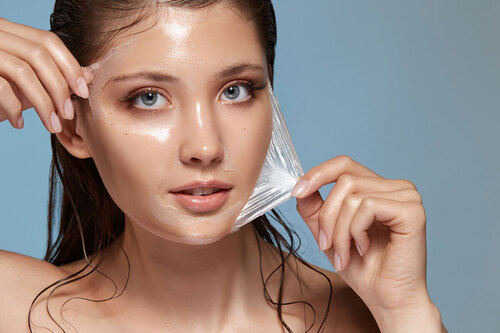
Chemical peel in Dubai are popular skincare treatments designed to improve skin texture, reduce uneven pigmentation, and encourage a smoother complexion. They work by applying carefully selected chemical solutions that exfoliate the outer layers of the skin and support natural skin renewal. However, one common experience after treatment is increased skin sensitivity. Some people notice redness, dryness, tightness, mild irritation, or a temporary stinging sensation.
Understanding why skin becomes more sensitive after a chemical peel can help patients follow appropriate aftercare and protect their skin during recovery. The level of sensitivity depends on several factors, including the peel's strength, skin type, existing skin conditions, and individual healing response.
How Does a Chemical Peel Affect the Skin?
A chemical peel uses exfoliating ingredients to loosen and remove dead skin cells from the skin's surface. Depending on its formulation and depth, the treatment may also affect deeper layers of the skin.
Common ingredients include:
-
Glycolic acid: Helps exfoliate dead skin cells and improve uneven texture.
-
Salicylic acid: Helps clear excess oil and unclog blocked pores.
-
Lactic acid: Provides gentle exfoliation and may be suitable for certain dry or sensitive skin types.
-
Trichloroacetic acid (TCA): Used in selected medium-depth peels to address specific skin concerns.
By removing accumulated surface cells, chemical peels encourage skin renewal. During this process, the skin temporarily becomes more vulnerable to environmental irritants, which can explain why sensitivity develops after treatment.
Why Does Skin Become More Sensitive After a Chemical Peel?
1. Temporary Disruption of the Skin Barrier
The skin barrier acts as a protective layer that helps retain moisture and defend against external irritants. Chemical exfoliation temporarily affects this protective surface as old skin cells are removed.
As the skin barrier recovers, the skin may become more reactive to products, temperature changes, and environmental conditions. This can cause temporary redness, dryness, tightness, or a burning sensation.
Maintaining moisture and avoiding unnecessary exfoliation are important during this recovery period.
2. Increased Skin Cell Turnover
Chemical peels accelerate the removal of dead skin cells, allowing newer skin cells to reach the surface. This renewal process is beneficial for improving dullness and uneven texture.
However, newly exposed skin may be more delicate than the previous outer layer. As a result, some individuals experience increased sensitivity to sunlight, skincare ingredients, and friction.
The intensity of this response depends on the type and depth of the chemical peel.
3. Temporary Inflammation Following Treatment
A chemical peel creates a controlled exfoliation response that activates the skin's natural repair process. Mild inflammation may occur as the skin begins recovering.
Common temporary reactions include:
-
Mild redness and warmth.
-
Slight swelling or tightness.
-
Tingling or stinging sensations.
-
Dryness and superficial peeling.
These effects are generally more noticeable with stronger treatments. However, severe pain, blistering, increasing swelling, or unusual skin discolouration should not be considered normal recovery signs and require medical assessment.
4. Reduced Moisture Retention
After a chemical peel, the skin may temporarily lose moisture more easily because its protective barrier is recovering. This can make the face feel unusually dry, rough, or tight.
Dehydrated skin may also become more reactive to products that were previously well tolerated.
Using a gentle, fragrance-free moisturiser recommended by a skincare professional can help support hydration and barrier recovery.
5. Greater Sensitivity to Sun Exposure
Following a chemical peel, the skin can become more vulnerable to ultraviolet radiation. Sun exposure may increase irritation and contribute to unwanted pigmentation, particularly in individuals who are already prone to dark spots.
Daily broad-spectrum sunscreen with SPF 30 or higher is important during recovery. Patients should also limit direct sunlight, wear protective clothing, and follow their practitioner's sun-protection instructions.
Which Factors Can Increase Skin Sensitivity After a Chemical Peel?
Not everyone experiences the same level of sensitivity. Several factors can influence how the skin responds.
Skin type: Naturally sensitive, dry, or reactive skin may require a more cautious treatment approach.
Peel strength: Deeper or stronger chemical peels generally involve more noticeable recovery effects than superficial treatments.
Existing skin conditions: Conditions such as eczema, rosacea, or an already damaged skin barrier may increase the possibility of irritation.
Skincare routine: Using retinoids, exfoliating acids, scrubs, or other strong active ingredients too soon after treatment can worsen sensitivity.
Environmental exposure: Heat, excessive sunlight, pollution, and harsh weather conditions may contribute to discomfort during recovery.
A professional skin assessment helps identify these factors before treatment.
How Can You Reduce Sensitivity After a Chemical Peel?
Following suitable aftercare instructions can help minimise irritation and support the skin's natural recovery process.
Consider these precautions:
-
Use a gentle cleanser: Choose a mild, fragrance-free cleanser and avoid aggressive rubbing.
-
Keep skin moisturised: Apply a suitable moisturiser to reduce dryness and support barrier recovery.
-
Apply sunscreen: Use broad-spectrum SPF 30 or higher and reapply as directed.
-
Avoid exfoliating products: Temporarily stop retinol, glycolic acid, salicylic acid, and physical scrubs until your practitioner advises that they can be resumed.
-
Avoid picking peeling skin: Allow dead skin cells to shed naturally to reduce irritation and the risk of scarring.
-
Limit excessive heat: Avoid activities that cause significant facial overheating when your skin is still sensitive.
The recovery period varies depending on the peel's depth and individual skin response. Always follow the specific aftercare guidance provided by your treating professional.
When Should You Be Concerned About Post-Peel Sensitivity?
Mild redness, dryness, and temporary peeling can occur after chemical exfoliation. However, symptoms that become progressively worse deserve attention.
Contact your healthcare professional if you experience severe burning, persistent pain, blistering, significant swelling, signs of infection, or unexpected changes in skin colour.
It is also important to seek advice before applying additional skincare treatments to irritated skin. Early assessment can help identify complications and determine the appropriate next steps.
Chemical Peel Assessment at Tajmeels Clinic
At tajmeels clinic dubai, chemical peel treatment planning focuses on understanding individual skin conditions, sensitivity levels, and aesthetic concerns. A personalised assessment helps determine whether a superficial or another appropriate type of chemical peel may be suitable. Factors such as existing pigmentation, skin hydration, previous skincare treatments, and barrier condition can influence treatment selection. Patients can also receive guidance on preparation, post-treatment skincare, sun protection, and recovery expectations. This individualised approach helps support informed treatment decisions while prioritising skin health and safety.
Final Thoughts
Skin sensitivity after a chemical peel is often a temporary part of the skin's renewal and recovery process. Changes to the skin barrier, increased cell turnover, reduced moisture retention, and greater vulnerability to sunlight can all contribute to post-treatment discomfort. Choosing an appropriate peel, following professional aftercare instructions, and avoiding irritating skincare products can help support recovery. A personalised skin assessment is an important step towards selecting a treatment that addresses individual concerns while protecting overall skin health.
More Information
Tajmeels Clinic Dubai
WhatsApp: +971 56 203 8751
Phone: tel:+971 43739000
Social Media:

Tajmeels clinic is different from other cosmetic resorts because our doctors are specialized in their fields from the best organizations in the world












Comments (0)