

Maple Sugaring Equipment in Vermont: Essential Tools for Producers

Maple sugaring is a long-standing Vermont tradition, but producing high-quality maple syrup requires more than tapping a few trees and boiling sap. Producers need reliable equipment, a well-planned collection system, and an efficient process for turning fresh sap into clear, flavorful syrup. Whether managing a backyard sugarbush or operating a commercial sugaring operation, choosing the right tools can make the season more productive and less labor-intensive.
Vermont's changing winter and early spring weather also makes preparation essential. Freeze-thaw cycles influence sap flow, while warmer temperatures can shorten the collection window and increase the importance of rapid processing. Having the right supplies ready before the season begins helps producers avoid unnecessary delays, protect sap quality, and make better use of every productive day.
For anyone researching maple sugaring equipment vermont, understanding how individual tools work together is a practical starting point. The best setup depends on the number of trees, available labor, terrain, budget, and the desired volume of finished syrup.
Understanding the Essential Equipment for Maple Sugaring
A successful maple sugaring operation relies on several connected stages: tapping trees, collecting sap, transporting it, removing excess water, filtering the finished syrup, and storing the product safely. Each stage requires equipment suited to the producer's scale and operating conditions.
Tapping Tools and Tree Supplies
The process begins with a drill, food-grade spouts, and appropriate tubing or collection containers. A drill with a sharp bit sized for the selected spout helps create a clean tap hole without unnecessary damage to the tree.
Producers should use modern tapping practices and avoid oversized holes or excessive tapping. Healthy maple trees can remain productive for decades when managed carefully. The correct tap size and depth depend on the spout manufacturer's specifications, and tapping should take place when conditions are appropriate for sap flow.
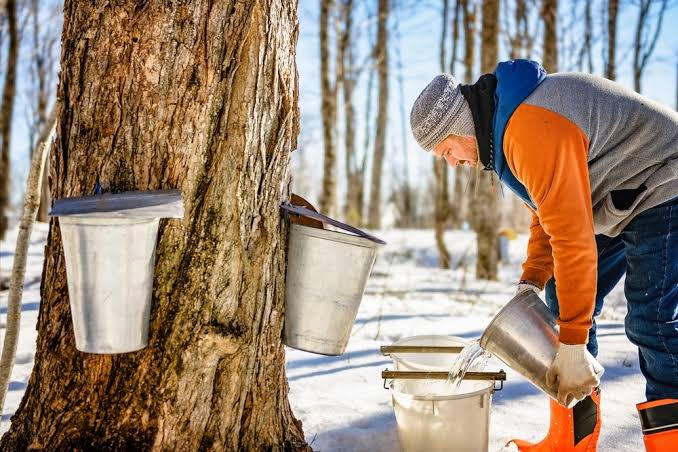
Small producers may prefer traditional metal or food-grade plastic buckets with lids. These allow easy visual inspection and work well when only a limited number of trees are involved. Larger operations often use tubing systems that move sap directly from trees to collection tanks, reducing the time spent emptying individual containers.
Sap Collection and Storage Equipment
Fresh sap is highly perishable, so collection equipment needs to be clean, accessible, and suitable for food contact. Buckets, covered gathering containers, transfer hoses, and storage tanks all play a role.
Food-grade tanks made from suitable materials are particularly useful for operations collecting substantial volumes. Their capacity should match the expected daily sap production rather than simply the total number of taps.
For example, a producer with 100 taps may collect manageable quantities during slower periods but face a much larger workload when temperatures and tree conditions create strong sap flow. Planning adequate storage and transportation capacity helps prevent overflow and unnecessary handling.
A Step-by-Step Guide to Setting Up a Vermont Sugarbush
Choosing equipment is easier when the entire workflow is planned before the first tap is drilled.
Step 1: Assess the Trees and Production Goals
Begin by estimating how many healthy maple trees are available and how much syrup the operation intends to produce. Tree diameter, condition, accessibility, and spacing all influence the appropriate tapping approach.
Walk through the sugarbush before winter ends. Identify practical routes for collecting buckets or installing tubing, and note steep slopes, drainage issues, and areas where equipment may be difficult to maintain.
A small producer might prioritize affordable buckets and a compact evaporator. A larger operation may benefit from vacuum-assisted tubing, larger storage tanks, and higher-capacity processing equipment.
Step 2: Select the Right Collection System
Gravity tubing can move sap downhill toward a central collection point when the terrain allows it. Vacuum systems can improve sap collection under suitable conditions, but they require additional equipment, monitoring, and maintenance.
Inspect tubing for leaks, damaged fittings, and loose connections before the season. Even a small leak can reduce system efficiency, while poor sanitation can affect sap quality.
For bucket systems, use secure lids and establish a consistent collection schedule. Check containers regularly, particularly during warm spells, to prevent contamination and avoid leaving sap standing unnecessarily.
Step 3: Prepare Sap Processing Equipment
The evaporator is one of the most important investments in a sugaring operation. Its capacity determines how efficiently collected sap can be processed during busy periods.
Small producers may use a compact wood-fired or appropriately rated fuel-fired evaporator. Commercial operations may need larger units designed for continuous production. The correct choice depends on sap volume, fuel availability, labor, budget, and the available processing space.
Before purchasing, compare the manufacturer's stated capacity with realistic operating conditions. Fuel consumption, cleaning requirements, ventilation, and the time needed to reach operating temperature also affect the overall cost.
Step 4: Filter, Finish, and Store the Syrup
After evaporation, syrup must be brought to the appropriate density and handled carefully. A reliable thermometer and a suitable syrup hydrometer or density-testing instrument help producers determine when the product is ready.
Finished maple syrup is generally standardized at 66 degrees Brix under applicable U.S. grading standards, with the relevant measurement conditions taken into account. Temperature affects readings, so producers should follow the instrument's instructions rather than relying on a single uncorrected measurement.
Filtering removes sugar sand, also known as niter, which can form during boiling. Use filters and equipment intended for maple syrup, and maintain a clean workspace to prevent contamination.
Properly prepared food-grade containers are essential for storage. Producers should follow established hot-packing procedures and applicable food-safety requirements to protect the finished product.
Common Equipment Mistakes That Reduce Efficiency
Even experienced producers can lose time and product through avoidable equipment problems.
One frequent mistake is buying an evaporator before estimating daily sap volume. An undersized unit can create long processing days during peak flow, while an oversized system may strain the budget and require more fuel than necessary.
Another problem is neglecting sanitation. Sap-contact surfaces, buckets, tubing, tanks, and transfer equipment need appropriate cleaning between seasons and whenever conditions require it. Residue and microbial growth can compromise quality, particularly when sap remains in warm conditions.
Producers sometimes overlook the importance of spare parts. A broken connector, damaged hose, worn gasket, or faulty thermometer can interrupt production at a critical moment. Keeping commonly needed replacement parts available can prevent a minor repair from becoming a lost production day.
Finally, relying exclusively on visual appearance to judge finished syrup is risky. Syrup can look ready before it reaches the correct density. Accurate measurement and consistent procedures help produce a more uniform result.
Practical Tips for Choosing and Maintaining Equipment
The most effective equipment strategy balances productivity, durability, and ease of maintenance. A few practical habits can make a significant difference throughout the sugaring season.
Buy for your actual production needs. Estimate the number of taps, likely sap volume, and processing capacity before investing in major equipment. Leave room for reasonable growth without paying for capacity that will remain unused.
Prioritize food-grade materials. Sap and finished syrup come into direct contact with collection and processing equipment. Select materials designed for food use, and avoid unsuitable containers that could introduce contaminants or unwanted flavors.
Maintain equipment before the season starts. Inspect drills, spouts, tubing, pumps, tanks, evaporators, thermometers, and filters before sap begins flowing. Test equipment where practical and replace damaged components early.
Plan for Vermont's variable weather. Sap flow depends on suitable temperature fluctuations, and conditions can change quickly. Keep collection routes accessible, monitor storage capacity, and have a realistic plan for processing sap promptly during productive periods.
Track performance from year to year. Record the number of taps, approximate sap volume, processing time, fuel consumption, and finished syrup yield. These records can reveal bottlenecks and help determine whether upgrading a pump, evaporator, or storage tank would provide a meaningful return.
Follow current safety and regulatory requirements. Evaporators involve heat, fuel, and potentially hazardous combustion gases. Maintain proper ventilation, use equipment according to its instructions, and follow applicable fire, workplace, food-safety, and Vermont production requirements.
Conclusion
Producing maple syrup in Vermont requires a coordinated set of tools, from tapping supplies and sap collection systems to evaporators, filters, testing instruments, and storage containers. The right combination depends on the size of the sugarbush, available resources, and production goals.
By planning the workflow, maintaining clean equipment, monitoring syrup density, and preparing for changing spring conditions, producers can improve efficiency while protecting product quality. Investing thoughtfully in dependable equipment helps make each sugaring season more manageable and supports consistent results for years to come.














Comments (0)