

Luxury Dining Room Sets: How to Create an Elegant Dining Space
Discover how to create an elegant dining room with the right furniture, materials, lighting, colors, and expert tips for comfort and timeless style.

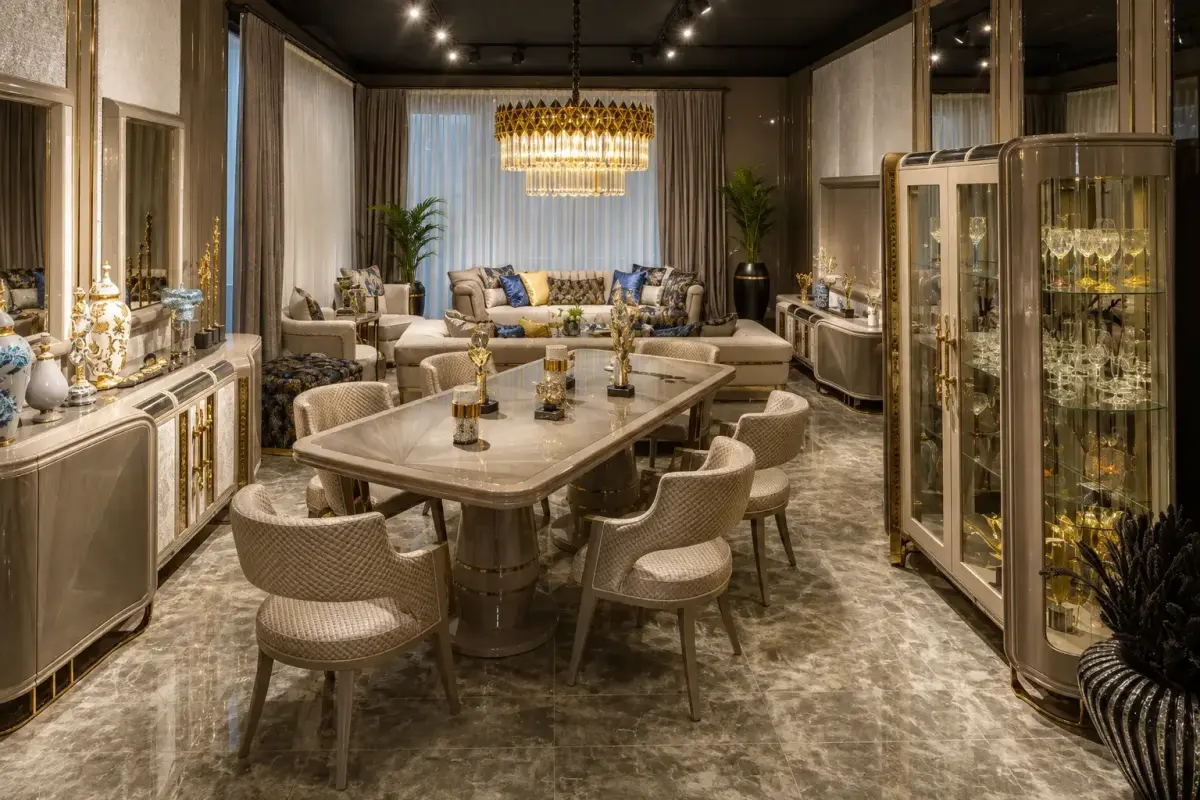
A dining room should do more than provide a place to eat. It should feel welcoming during everyday meals, comfortable for long conversations, and sophisticated enough for special occasions. Creating this balance requires more than choosing an attractive table and matching chairs. Furniture proportions, material quality, lighting, color coordination, and room layout all contribute to the final result.
Choosing the right luxury dining room sets can provide a strong foundation for an elegant dining space, but the best results come from considering how the furniture works with the room and the people who use it. A beautifully designed dining area should reflect your personal style without sacrificing comfort, practicality, or functionality.
Whether you are furnishing a formal dining room or upgrading an open-concept living area, a thoughtful approach can help you create a space that feels refined rather than overcrowded or overly decorated.
What Makes a Dining Room Feel Luxurious?
Luxury is not simply about expensive furniture, oversized chandeliers, or elaborate decorations. A truly elegant dining room combines quality craftsmanship, visual harmony, and everyday usability.
The dining table usually serves as the room's focal point. Its shape, finish, and dimensions influence nearly every other design decision. Solid wood tables introduce warmth and character, while marble and stone surfaces create a more contemporary, polished appearance. Glass tables can make smaller rooms feel more open, particularly when paired with streamlined chairs.
Chairs are equally important. Upholstered seating can introduce softness and improve comfort, while leather or carefully finished wood creates a more structured appearance. The goal is to select pieces that complement one another without making the room feel like a furniture showroom.
Details also matter. Smooth drawer mechanisms, durable finishes, carefully joined wood components, and well-constructed chair frames often distinguish long-lasting furniture from pieces that merely look impressive.
Step-by-Step Guide to Creating an Elegant Dining Space
1. Measure the Room Before Selecting Furniture
One of the most common furniture-buying mistakes is choosing a table based on appearance before checking whether it fits the room.
Start by measuring the room's length and width. Then consider doorways, windows, walkways, and nearby furniture. Ideally, allow approximately 36 to 48 inches between the table edge and walls or other obstacles. This provides room to pull out chairs and move around comfortably, although tighter spaces may require a more compact arrangement.
For example, a 12-by-14-foot dining room may accommodate a rectangular table measuring approximately 72 inches long, depending on its width, chair dimensions, and surrounding layout.
Use masking tape to mark the proposed table footprint on the floor. Add the space needed for occupied chairs and walking routes. This simple exercise can reveal whether a design that looks perfect online will work in your actual home.
2. Choose a Table Shape That Suits Your Layout
The table's shape should support both the room's architecture and your dining habits.
-
Rectangular tables: Work well in elongated rooms and accommodate larger gatherings. They are particularly suitable for traditional and formal dining areas.
-
Round tables: Encourage conversation because everyone can see one another easily. They also work well in square rooms.
-
Oval tables: Offer the seating capacity of many rectangular designs while softening the room with curved edges.
-
Square tables: Suit compact dining areas and smaller households, especially when the room has a balanced, symmetrical layout.
Consider how frequently you entertain. A family that hosts holiday dinners may benefit from an extendable table, while a couple in an apartment may prefer a smaller round design that preserves valuable floor space.
3. Select Materials That Establish the Right Atmosphere
Material selection strongly influences the room's character, maintenance requirements, and long-term durability.
Solid hardwoods such as oak and walnut offer natural grain patterns and can develop an attractive patina over time. Walnut generally provides a deeper, richer appearance, while oak can suit both traditional and contemporary interiors.
Marble creates a distinctive, high-end look, but it requires appropriate care. Some varieties are susceptible to staining and etching from acidic foods and drinks. Protective treatments and prompt cleaning help preserve the surface.
Glass introduces visual lightness, making it useful in smaller rooms or interiors with limited natural light. However, fingerprints and smudges may require frequent cleaning.
When comparing materials, ask about veneer thickness, frame construction, finish durability, and care instructions. A well-made table with a durable finish may deliver better long-term value than a more expensive piece with demanding maintenance requirements.
4. Coordinate Chairs Without Making Everything Identical
Matching furniture can create a cohesive appearance, but elegance does not require every component to look exactly alike.
For a classic interior, pair a substantial wooden table with upholstered chairs in a complementary neutral fabric. For a contemporary space, consider a streamlined table with curved-back chairs or a combination of wood and metal.
Pay attention to seat height, back support, and armrests. Most standard dining tables are approximately 28 to 30 inches high, so chair dimensions should provide sufficient legroom and a comfortable seating position.
If you choose armchairs for the table's ends, confirm that their arms slide beneath the tabletop. Otherwise, they may occupy more space than expected and disrupt the room's layout.
5. Use Lighting to Create a Focal Point
Lighting can make an otherwise ordinary dining room feel intentional and sophisticated.
A pendant light or chandelier positioned above the center of the table provides a natural focal point. As a starting point, hang the bottom of the fixture approximately 30 to 36 inches above the tabletop for a standard ceiling height of about eight feet. Higher ceilings may require additional clearance.
Choose warm-white lighting, typically around 2700K to 3000K, for a comfortable residential atmosphere. Dimmable fixtures provide flexibility, allowing brighter light during meals and softer illumination during evening gatherings.
Layered lighting can further improve the space. Wall sconces, subtle accent lights, or a nearby floor lamp can reduce harsh contrasts and make the dining room feel connected to the rest of the home.
6. Build a Balanced Color Palette
An elegant dining room usually benefits from a controlled color palette rather than too many competing finishes.
Warm neutrals, cream, taupe, charcoal, and natural wood tones provide versatile foundations. Deep green, navy, burgundy, or muted gold can introduce character without overwhelming the room.
For example, a walnut table paired with beige upholstered chairs, ivory walls, and a dark green centerpiece creates depth while maintaining visual balance.
Consider the existing flooring and wall color before selecting furniture. If the floor is already dark, lighter upholstery or a pale rug can help prevent the room from feeling heavy.
Common Mistakes That Undermine an Elegant Dining Room
Even expensive furniture can look out of place when the room lacks balance. Avoid these common problems.
Choosing an oversized table: Large furniture can overwhelm the room and restrict movement. Prioritize comfortable circulation over maximum seating capacity.
Ignoring chair comfort: Beautiful chairs that feel uncomfortable after 20 minutes are a poor investment, especially for households that enjoy extended meals.
Mixing too many finishes: Combining numerous wood tones, metal colors, and decorative styles can create visual confusion. Limit the dominant materials and repeat selected finishes throughout the space.
Overdecorating the tabletop: Tall centerpieces, excessive accessories, and oversized arrangements can obstruct conversation. Keep decorations proportional to the table and leave sufficient space for serving dishes.
Neglecting maintenance: Delicate upholstery, untreated stone, and easily scratched surfaces may require more care than expected. Consider household routines, children, pets, and entertaining frequency before committing to a material.
Expert Tips for a More Refined Finish
Once the main furniture is in place, a few carefully selected details can make the entire room feel more complete.
-
Use a properly sized rug. Ideally, the rug should extend approximately 24 to 30 inches beyond the table edges so chairs remain on the rug when pulled out. Choose a durable, easy-to-clean material for frequent use.
-
Introduce texture. Linen curtains, upholstered chairs, natural wood, and a textured rug add depth without requiring additional colors.
-
Keep decorative accessories intentional. A ceramic bowl, a modest floral arrangement, or a sculptural centerpiece can provide interest without clutter.
-
Consider acoustic comfort. Rugs, curtains, and upholstered seating can soften sound in rooms with hard floors and large windows.
-
Invest where quality matters most. Prioritize the table, chair construction, and lighting before spending heavily on decorative accessories. These elements have the greatest impact on daily comfort and the room's overall appearance.
-
Leave room for flexibility. Extendable tables, movable side chairs, and accessible storage make it easier to accommodate unexpected guests without compromising the normal layout.
Finally, evaluate the room in both daylight and evening lighting. A finish that looks warm and inviting during the day may appear different under artificial light. Testing paint samples, fabric swatches, and wood finishes in the actual space can help prevent costly mismatches.
Conclusion
Creating an elegant dining room begins with understanding the space, selecting appropriately sized furniture, and combining quality materials with comfortable seating and thoughtful lighting. A balanced color palette, restrained decoration, and practical layout help the room feel sophisticated without becoming impractical.
The most successful dining rooms are designed around real life. By prioritizing craftsmanship, comfort, proportion, and easy maintenance, you can create a welcoming dining space that looks refined during special occasions and remains functional for everyday meals.














Comments (0)