

Black Door Hardware: How to Create a Modern, Coordinated Look

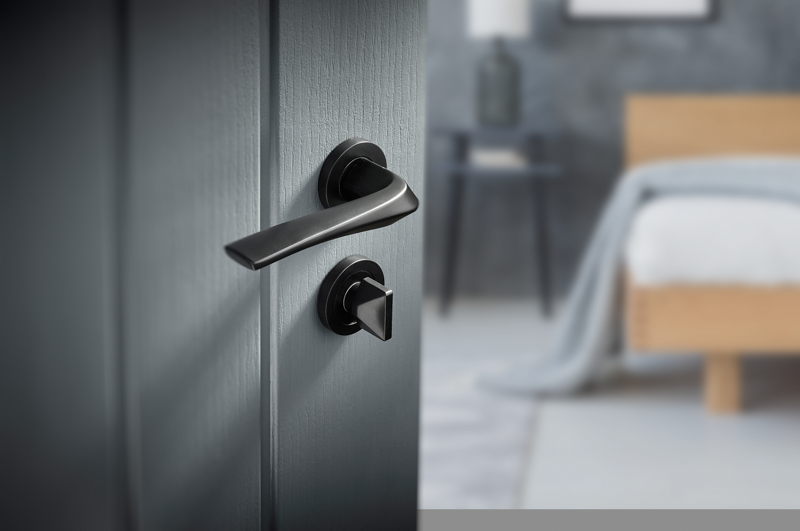
Creating a modern interior involves more than choosing the right paint colors, furniture, and flooring. Small architectural details, including door handles, hinges, and locks, can significantly influence how a room looks and feels. Black door hardware has become a popular choice for homeowners who want a clean, contemporary appearance without committing to a complete renovation. Its understated finish adds definition to doors, complements a wide range of materials, and creates visual consistency throughout a home.
However, achieving a coordinated look requires more than replacing every handle with a black alternative. The hardware should work with the door style, surrounding finishes, lighting, and overall design scheme. For example, a matte black lever can look striking against a white interior door, while a similar finish on a dark wood door creates a more subtle, sophisticated effect. Understanding these combinations makes it easier to select black door hardware that enhances the interior rather than competing with other design elements.
Whether you are updating a single room or planning a whole-house renovation, a thoughtful approach to hardware selection can make the finished space feel intentional, balanced, and professionally designed.
Why Black Door Hardware Works in Modern Interiors
Black hardware offers a combination of simplicity and contrast that suits many contemporary design styles. Unlike highly polished metallic finishes, which often reflect light and attract attention, matte and satin black finishes create a more controlled visual effect.
One of the main advantages is versatility. Black handles work well with white, cream, gray, beige, and natural wood doors. They also complement industrial interiors featuring exposed brick, metal accents, and concrete surfaces. In minimalist homes, black hardware provides definition without introducing unnecessary decoration.
Another advantage is consistency. Repeating the same finish across interior doors, cabinetry, and selected architectural details helps connect different rooms. This is especially useful in open-plan homes, where the kitchen, living room, and hallway are visible from the same viewpoint.
Black is not automatically the best choice for every space, though. In a room dominated by dark finishes and limited natural light, black hardware may blend into the background. In that situation, lighter doors, contrasting trim, or a different finish may provide better visual balance.
Step-by-Step Guide to Coordinating Black Door Hardware
1. Start With Your Door Color and Material
The door itself should guide your hardware selection. Black hardware can create different effects depending on the surface beneath it.
White doors provide a crisp contrast that works particularly well in modern, transitional, and Scandinavian-inspired interiors. This combination is easy to maintain visually because the hardware creates a clear outline without overwhelming the door.
Natural wood doors offer another strong option. Oak, walnut, and ash pair well with black finishes because the dark metal balances the warmth and texture of the grain. For example, a walnut door with a simple matte black lever can create a refined appearance in a home office or primary bedroom.
Gray and beige doors produce a softer contemporary look. Black hardware adds definition while allowing the overall palette to remain neutral.
For dark doors, pay closer attention to visibility. A black handle on a charcoal door may look seamless, but it can be difficult to distinguish at a glance. Consider the room's lighting and whether a contrasting finish would improve usability.
2. Choose a Consistent Hardware Finish
Not all black finishes look identical. Matte black typically has a low-reflective surface that suits minimalist interiors. Satin black has a subtle sheen, while textured black finishes can introduce additional depth.
The important consideration is consistency across related components. If your interior door levers have a matte finish, matching hinges, privacy locks, and strike plates will generally create a more cohesive result.
Small differences may become noticeable when components sit close together. For example, a glossy black lever installed beside matte black hinges can make the hardware appear mismatched, even when both products are technically black.
When purchasing multiple components, compare physical samples whenever possible. Product photographs can make different finishes appear more similar than they actually are because of studio lighting and screen settings.
3. Match the Handle Style to Your Interior
The shape of the hardware matters as much as its color. A coordinated finish cannot fully compensate for a handle that conflicts with the door's design.
Popular handle styles include:
-
Straight lever handles: These have clean lines and work well in contemporary and minimalist homes.
-
Rounded lever handles: Their softer profiles suit transitional interiors and spaces that combine traditional and modern elements.
-
Knob handles: These can complement classic doors, particularly when paired with simple black finishes.
-
Flush pulls: Commonly used on sliding and pocket doors, they maintain a streamlined appearance without protruding into the room.
Consider the surrounding architecture before making a final decision. A home with flat-panel doors and square-edged trim may benefit from angular levers, while a home with curved archways and traditional moldings may look better with rounded hardware.
4. Coordinate Hinges, Locks, and Door Stops
A common oversight is focusing exclusively on the handle. Hinges, latches, privacy locks, and door stops also contribute to the finished appearance.
For a consistent look, use black hinges where they remain visible and choose compatible locks and accessories. Bathroom and bedroom doors may require privacy locks, while hallway closets often need only a basic passage or nonlocking mechanism.
Function should take priority over appearance when selecting these components. Exterior doors need suitable security hardware, and frequently used doors require durable mechanisms that operate smoothly.
It is also worth checking the existing door preparation before buying replacements. Backset measurements, door thickness, hinge dimensions, and latch configurations can affect compatibility.
5. Repeat Black Accents Throughout the Home
Coordinated hardware looks most natural when black appears in a few other carefully selected locations. This does not mean every fixture must match.
For example, a home with black door levers might also feature black cabinet pulls, a dark-framed mirror, or slim black lighting fixtures. These repeated details establish a visual connection between rooms.
The key is moderation. Too many dark accents can make a space feel heavy, particularly when the walls, flooring, and furniture are also dark. Balance black hardware with lighter surfaces, natural materials, or warm textiles.
Common Mistakes to Avoid
Even a relatively simple hardware update can look inconsistent when a few important details are overlooked.
Mixing unrelated styles. Combining ornate traditional knobs with sharply angular modern levers can make the interior feel disconnected. Different styles can coexist, but they should share a clear design principle, such as similar proportions or complementary shapes.
Ignoring the door's proportions. Oversized handles may overwhelm narrow doors, while very small handles can look insignificant on large, solid doors. Choose hardware that feels appropriately scaled to the door and comfortable in the hand.
Choosing appearance over durability. Frequently used handles are exposed to oils, moisture, cleaning products, and repeated contact. Check the manufacturer's finish specifications, maintenance recommendations, and warranty before purchasing.
Forgetting practical requirements. Bathroom privacy locks, accessible lever designs, and suitable exterior security mechanisms serve different purposes. A consistent appearance should never come at the expense of safety, accessibility, or proper operation.
Assuming every black finish matches. Different manufacturers may use slightly different shades, textures, and coatings. Buying all visible components from a coordinated product range can reduce the risk of noticeable differences.
Expert Tips for a More Polished Result
Before ordering hardware for an entire property, select one representative door and test the combination. Install the handle, examine its appearance in daylight and artificial light, and check how comfortably it operates. This small trial can prevent expensive mistakes when dozens of doors are involved.
Next, create a simple hardware schedule. Record each door's location, handle type, locking requirement, hinge finish, and quantity. This is particularly useful during renovations, when several contractors may be working on different areas of the home.
Think about maintenance, too. Matte black finishes can show fingerprints, dust, or mineral deposits depending on their texture and quality. Use the cleaning products recommended by the manufacturer, and avoid abrasive pads that may damage protective coatings.
Finally, prioritize the rooms where hardware has the greatest visual impact. Entryways, main hallways, and open-plan living areas often provide the best starting points because their doors are seen frequently. Once the preferred style is established, extending it to bedrooms, closets, and utility spaces becomes easier.
Conclusion
Black door hardware can bring definition, consistency, and modern character to almost any interior when selected with care. The strongest results come from coordinating the finish with door materials, choosing handles that suit the architectural style, and paying attention to hinges, locks, and other visible details.
Rather than matching every component without considering the surroundings, focus on balance, functionality, and repetition. A few well-chosen details can connect separate rooms and make an interior feel thoughtfully designed. With careful planning and attention to practical requirements, black hardware offers a straightforward way to achieve a cohesive, contemporary look.
















Comments (0)