

Cost Of Living In Poland
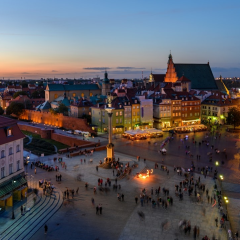

Cost Of Living In Poland: A Complete Guide for Expats and International Residents
Poland has become an increasingly popular destination for international students, skilled professionals, families, and people looking for new opportunities in Europe. Along with its historic cities, modern infrastructure, universities, and growing employment market, Poland can offer a relatively manageable lifestyle compared with several Western European destinations. However, understanding the cost of living in Poland is an important part of planning a move.
The actual amount you spend each month depends on your city, accommodation, lifestyle, family size, transportation choices, and personal spending habits. Warsaw, Kraków, Wrocław, Gdańsk, and Poznań can have different rental markets and everyday expenses, while smaller Polish cities may offer lower housing costs.
This guide from AbroVa.com explains the major expenses involved in living in Poland and provides practical information for people considering relocation.
Understanding the Cost Of Living In Poland
The cost of living in Poland includes several regular expenses, such as accommodation, groceries, transportation, utilities, healthcare, education, entertainment, and communication services.
For an individual, accommodation is often one of the largest monthly expenses. Rent can vary significantly depending on the location and size of the property. Someone living alone in a centrally located apartment in Warsaw may spend considerably more than someone renting a room or living in a smaller city.
For families, housing, food, childcare, education, and transportation can make up a substantial portion of the household budget. Therefore, it is useful to prepare a personalized budget before moving.
Accommodation Costs in Poland
Housing is one of the most important factors when calculating the cost of living in Poland.
Rental prices depend on:
· City and neighborhood
· Apartment size
· Property condition
· Furnishing
· Distance from the city center
· Access to public transportation
· Building amenities
Warsaw is generally one of Poland's more expensive rental markets. Other major cities, including Kraków, Wrocław, and Gdańsk, can also have significant housing costs, particularly in popular central neighborhoods.
People trying to reduce expenses can consider renting a room in a shared apartment. Sharing accommodation can be particularly useful for students and young professionals who are starting their careers.
When renting a property, remember that the monthly rent may not represent the complete housing expense. Tenants may also need to budget for utilities, building charges, internet, and other services.
Before signing a rental agreement, carefully check which expenses are included in the advertised price.
Grocery and Food Expenses
Food is another important component of the cost of living in Poland. Grocery expenses depend largely on household size, dietary preferences, shopping habits, and whether you purchase local or imported products.
Common grocery expenses include:
· Bread and bakery products
· Milk and dairy products
· Eggs
· Fresh vegetables and fruit
· Meat and fish
· Rice, pasta, and grains
· Cooking ingredients
· Snacks and beverages
Shopping at supermarkets, discount grocery stores, and local markets can help residents manage their food budgets. Buying seasonal produce and preparing meals at home can also reduce everyday spending.
Eating at restaurants regularly will increase monthly expenses. However, Poland has a wide variety of cafés, restaurants, bakeries, and casual dining options, allowing residents to choose according to their budget.
Transportation Costs
Public transportation is an important part of everyday life in many Polish cities. Depending on the city, residents can use buses, trams, trains, and other public transport services.
Monthly or longer-term public transportation passes may be useful for people who commute regularly. Students may also have access to discounted fares if they meet the applicable eligibility requirements.
The cost of transportation also depends on whether you own a car. Car owners need to account for fuel, insurance, servicing, parking, repairs, and other vehicle-related expenses.
For people living close to their workplace or university, walking or cycling can further reduce transportation costs.
Utility and Internet Expenses
When calculating the cost of living in Poland, remember to include household utilities.
Depending on the property and agreement, monthly household expenses can include:
· Electricity
· Heating
· Water
· Waste collection
· Gas
· Internet
· Mobile phone services
Utility expenses can fluctuate depending on apartment size, season, energy usage, and the type of heating system.
Winter can have a noticeable impact on household energy consumption. People renting an apartment should therefore ask the landlord or property manager about typical utility costs before moving into a property.
Healthcare Costs in Poland
Healthcare expenses are another consideration for international residents.
People who are legally working or living in Poland may have access to healthcare through the applicable public healthcare system depending on their status and insurance arrangements. Some residents also choose private healthcare services for additional convenience or shorter waiting times.
International residents should understand their healthcare rights and insurance responsibilities before relocating.
If you are moving to Poland for employment, study, or family reasons, check the requirements that apply to your specific immigration and residency situation.
Cost Of Living In Poland for Students
Poland is an attractive destination for international students because of its universities, cultural environment, and location within Europe.
The cost of living in Poland for students depends heavily on accommodation.
Students can consider:
· University accommodation where available
· Shared apartments
· Private rooms
· Small studios
· Accommodation outside central districts
Living with roommates can substantially reduce housing expenses because rent and certain utilities can be divided between residents.
Students can also control their budgets by cooking at home, using public transportation, taking advantage of eligible student discounts, and choosing affordable entertainment.
The total student budget should also include tuition where applicable, study materials, health insurance or healthcare-related expenses, mobile services, and travel.
Cost Of Living In Poland for Families
Families planning to relocate should create a more detailed household budget.
Important expenses may include:
· Family accommodation
· Groceries
· Utilities
· Transportation
· Healthcare
· Childcare
· School-related expenses
· Clothing
· Entertainment
· Travel
Housing requirements are often different for families because they may need two or three bedrooms, access to schools, nearby parks, and convenient transportation.
Choosing a neighborhood outside a city center can sometimes provide more living space for the same budget, although transportation and commuting costs should also be considered.
Families should research education options carefully because costs can vary depending on the type of school and individual circumstances.
Cost Of Living In Major Polish Cities
The cost of living in Poland varies between cities.
Warsaw
Warsaw is Poland's capital and one of its largest economic centers. It offers a broad employment market, extensive public transportation, universities, restaurants, and international services.
Housing in desirable central locations can be relatively expensive, so residents on a budget may consider neighborhoods farther from the center.
Kraków
Kraków is well known for its historic architecture, tourism, universities, and growing business sector. It attracts students and international professionals.
Rental prices depend heavily on location, with central and highly sought-after areas generally costing more.
Wrocław
Wrocław is an important academic and business center with a large student and international community. The city provides numerous employment and educational opportunities, while housing costs vary between districts.
Gdańsk
Gdańsk is part of the Tricity metropolitan area and offers access to the Baltic Sea. Its economy, tourism industry, universities, and coastal location attract both Polish and international residents.
Housing costs can vary according to proximity to the center and coastal areas.
Poznań
Poznań is another major Polish city with a strong business and academic environment. It can be an appealing option for professionals and students looking for alternatives to the largest metropolitan areas.
Monthly Budget Planning for Poland
Creating a monthly budget before relocating can make the transition easier.
A basic individual budget could include the following categories:
|
Expense Category |
What to Consider |
|
Accommodation |
Rent, deposit, building charges |
|
Food |
Groceries and occasional dining |
|
Utilities |
Electricity, heating, water and other services |
|
Transportation |
Public transport or vehicle expenses |
|
Communication |
Mobile and internet |
|
Healthcare |
Insurance and private services where applicable |
|
Personal Expenses |
Clothing, household items and hobbies |
|
Entertainment |
Restaurants, events and leisure |
|
Savings |
Emergency fund and future goals |
These categories should be adjusted according to your personal circumstances rather than treated as fixed figures.
How to Manage the Cost Of Living In Poland
Moving to another country does not necessarily mean spending excessively. Careful planning can help international residents manage their budgets.
Choose Accommodation Carefully
Rent is often one of the biggest expenses. Compare different neighborhoods and consider the relationship between rent and commuting costs.





Comments (0)