

Commercial Tree Removal Services for Safe and Efficient Property Management
Hire Commercial Tree Removal Services for safe tree takedowns, stump grinding, and site cleanup across business parks, retail lots, and managed properties.

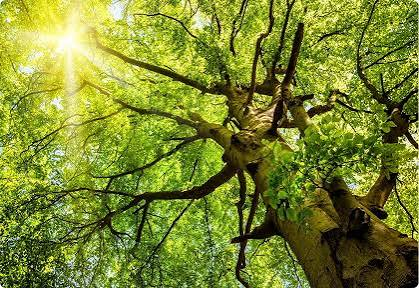
Commercial properties, retail centers, office parks, industrial lots, and multi-family communities rely on clean, hazard-free grounds to keep tenants, visitors, and staff safe. Turning to Commercial Tree Removal Services helps property managers address dead, storm-damaged, or poorly placed trees near parking lots, walkways, roofs, and utility lines. High foot traffic, parked vehicles, signage, and tight access lanes turn routine tree takedowns into a complex logistics task. Handling declining or damaged trees before severe wind or ice hits helps reduce liability and prevent sudden operational disruptions.
Planning Controlled Takedowns Around Active Commercial Sites
Effective Commercial Tree Removal Services begin with evaluating tree lean, canopy weight, target proximity, equipment access, and traffic flow before any cutting starts. A tree standing next to customer parking stalls, loading docks, or building rooflines requires controlled sectioning, rigging, or lift positioning rather than an open drop. Property managers also need to plan staging areas for wood chips or logs so customer entrances and delivery routes stay clear. Careful operational planning keeps work moving safely without interrupting daily business activity.
Why Early Risk Checks Prevent Costly Disruptions
Waiting until a weakened trunk splits or heavy limbs fall across a drive lane often leads to urgent emergency calls, blocked access, and property damage. Periodic site walk-throughs help managers spot deadwood, root heaving, storm cracks, or pest decline early and schedule removals during lower-traffic windows. Checking overhead clearances, underground utilities, and ground firmness ahead of time also prevents surprises once heavy equipment arrives. Proactive scheduling helps control maintenance budgets and avoids last-minute scramble after storms.
Core Tree Removal and Site Clearing Work for Commercial Grounds
Commercial and multi-unit sites often need more than simply cutting a tree down to a rough stub. Typical commercial tree removal and clearing work includes:
-
Hazardous and Tight-Space Tree Removal: Dismantling dead, diseased, or storm-damaged trees near buildings, fences, walkways, and parking areas.
-
Stump Grinding and Surface Clearing: Grinding stumps below grade and clearing chips so areas can be re-turfed, paved, or landscaped.
-
Storm Damage Takedowns and Cleanup: Removing fallen trees or hanging limbs after wind or ice events to restore safe site access.
-
Sightline and Clearance Tree Removal: Removing obstructing trees where visibility, signage, lighting, or building maintenance requires room.
-
Lot and Perimeter Clearing: Clearing overgrown or declining trees along property lines, buffers, or expansion zones.
-
Debris Haul-Off and Site Sweeping: Chipping brush, removing wood debris, and leaving paved and turf surfaces clean for visitors.
Evaluating Commercial Tree Contractors and Written Bids
Comparing proposals for commercial tree work is straightforward when written quotes specify which trees are included, how stumps and debris are handled, and what cleanup standards apply. Property managers should verify active general liability and workers' compensation coverage, ask whether an arborist evaluates tree risk on-site, and clarify scheduling around business hours. Confirming how crews communicate arrival times, barricade work zones, and handle unexpected internal decay helps prevent misunderstandings. Clear documentation makes it easier to compare true operational reliability across bidders.
Job-Site Safety, Regulations, and Cleanup Standards
Commercial tree removal involves heavy machinery, elevated work, falling wood, and public spaces, making strict safety controls and clear communication essential all day. Crews must maintain safe work zones, protect nearby vehicles and structures, and follow local ordinances, utility clearances, and regional wood-transport or pest-quarantine rules where applicable. Thorough cleanup at the end of the job—clearing wood chips, branches, and stray debris from drives and walkways—helps keep the site safe for tenants and guests. Consistent safety and cleanup habits protect both the property owner and everyone on-site.
Realistic Benefits and Long-Term Property Value
Removing hazardous or failing trees helps reduce falling-limb risks, open up visibility or parking space, and protect roofs, walls, and pavement from storm or root stress. Long-term value still depends on site drainage, ongoing care for remaining trees, and timely attention to new structural or pest issues rather than a single removal solving every ground problem. Pairing sensible tree management with routine inspections supports a cleaner, safer commercial environment. Practical maintenance helps properties stay presentable and functional over time.
Evolving Trends in Commercial Grounds and Canopy Management
Property managers increasingly favor planned tree-risk management over reactive emergency takedowns, looking for clear arborist assessments and low-disruption scheduling around tenants and customers. Greater awareness of storm frequency, invasive pests, and species diversity has also shaped how commercial sites replace removed trees. Trees by Forrest brings experienced local arboricultural support to help property managers handle commercial tree work safely and efficiently.
Conclusion
Managing aging, damaged, or poorly placed trees on commercial properties takes clear planning, verified insurance, and disciplined field execution. By reviewing written scopes, asking practical questions about safety and cleanup, and acting early on hazards, property managers can choose Commercial Tree Removal Services with confidence. Organized work protects surrounding assets while keeping access routes and grounds clear. Thoughtful tree care supports safer, better-maintained commercial properties year-round.












Comments (0)