

Which Laser Hair Removal Treatment Is Best for Facial Hair?
Discover how to choose laser hair removal for facial hair in Dubai, including suitable laser technologies, skin types, treatment sessions, and aftercare.

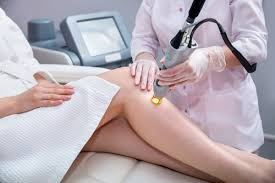
Unwanted facial hair is a common concern for both women and men. Hair on the upper lip, chin, cheeks, and jawline can require frequent shaving, threading, or waxing. These methods provide temporary results and may sometimes cause irritation, ingrown hairs, or redness. Laser Hair Removal Dubai offers a longer-term approach to reducing unwanted facial hair by targeting hair follicles with concentrated light energy.
However, the best laser hair removal treatment for facial hair depends on several factors, including skin tone, hair colour, hair thickness, and the treatment area. Understanding these factors can help patients make informed decisions when considering laser hair removal in Dubai.
How Does Laser Hair Removal Work for Facial Hair?
Laser hair removal works by directing concentrated light into the pigment within hair follicles. The pigment absorbs the light, which produces heat and damages the follicle's ability to grow hair effectively.
Because hair grows in different stages, a single session cannot treat every hair effectively. Multiple sessions are generally necessary to achieve noticeable, long-term hair reduction. Maintenance treatments may also be needed.
Facial hair can be more challenging to treat because hormonal changes may influence hair growth, particularly around the chin and upper lip. A professional assessment helps determine whether laser treatment is appropriate and what results may reasonably be expected.
Which Laser Technology Is Best for Facial Hair?
Different laser technologies may be suitable for facial hair removal. The right option depends primarily on the patient's skin tone, hair characteristics, and medical history.
1. Diode Laser
Diode lasers are commonly used for hair reduction and may be suitable for several skin types when the correct wavelength and settings are selected. They can be effective for dark, coarse facial hair, including hair around the chin and upper lip.
The provider must adjust the treatment settings according to skin tone and hair thickness to help minimise irritation and other unwanted effects.
2. Nd Laser
The Nd laser, particularly the long-pulsed 1064 nm wavelength, is often considered for darker skin tones because its wavelength interacts less strongly with epidermal melanin than some other laser types.
This characteristic may reduce the risk of pigment-related complications when the treatment is performed correctly. However, suitable settings, cooling, and professional expertise remain essential.
3. Alexandrite Laser
Alexandrite lasers operate at a wavelength of 755 nm and may be effective for dark facial hair in people with lighter skin tones. They are generally less suitable for darker skin because epidermal melanin can absorb more of the laser energy, increasing the risk of burns or pigmentation changes.
A qualified provider should determine whether this technology is appropriate for an individual's skin and hair characteristics.
4. IPL for Facial Hair
Intense pulsed light (IPL) is sometimes offered as an alternative to laser hair removal. However, IPL uses a broad spectrum of light rather than the specific wavelength produced by a laser.
Although IPL may reduce unwanted hair in suitable candidates, it is not technically a laser treatment. Its effectiveness and safety depend on the device, skin tone, hair colour, and operator experience.
Which Facial Areas Can Be Treated?
Laser hair removal may be considered for several facial areas, depending on individual suitability.
-
Upper lip: Helps reduce visible hair above the lips.
-
Chin: May be suitable for dark, coarse hairs beneath the lower lip and along the chin.
-
Sideburns and cheeks: Can reduce unwanted hair along the sides of the face.
-
Jawline: May help manage visible hair growth around the lower face.
-
Neck: Can be considered when unwanted hair extends below the jawline.
The treatment plan should account for the sensitivity of facial skin and the proximity of the treatment area to the eyes. Laser treatment must never be directed at the eyes, and appropriate protective eyewear is essential.
How to Choose the Right Treatment for Your Skin Type
Choosing a laser treatment involves more than selecting a particular device. A professional assessment should consider skin tone, hair colour, hair thickness, previous reactions, medications, recent tanning, and any skin conditions.
Laser hair removal generally works best on pigmented hair. Blonde, white, grey, and many red hairs contain insufficient suitable pigment for reliable results. Electrolysis may be a more appropriate option for some of these hair colours.
Patients should also discuss any sudden increase in facial hair, particularly when accompanied by irregular menstrual cycles or other hormonal symptoms. Hormonal conditions can contribute to facial hair growth, and treating the underlying cause may be important alongside cosmetic hair reduction.
How Many Sessions Are Needed for Facial Hair Removal?
Most patients need a series of treatments rather than a single appointment. The exact number and spacing depend on the treatment area, hair growth cycle, technology, and individual response.
Facial hair may require ongoing maintenance because hormonal influences can stimulate new growth. Patients should avoid expecting permanent removal of every hair. A realistic goal is long-term reduction in hair density and thickness.
During treatment, the provider may recommend intervals that allow enough time for the next group of hairs to enter a suitable growth stage.
Safety and Aftercare for Facial Laser Hair Removal
Temporary redness, mild swelling, and skin sensitivity can occur after treatment. Less common complications include burns, blistering, scarring, and changes in skin pigmentation.
To support recovery, patients should follow their provider's aftercare instructions. These commonly include avoiding excessive heat and direct sun exposure, applying a suitable broad-spectrum sunscreen, and avoiding irritating skincare products for the recommended period.
Shaving may be permitted between sessions, but waxing, threading, and plucking should generally be avoided because they remove the hair that the laser needs to target. Patients should also disclose medications and skincare ingredients that may increase photosensitivity.
Choosing Tajmeels Clinic for Laser Hair Removal in Dubai
When considering laser hair removal in Dubai, selecting a clinic that prioritises patient assessment, suitable technology, and safety is essential. At tajmeels clinic dubai, patients can discuss their facial hair concerns, skin type, treatment goals, and medical history during a consultation. An individualised treatment approach can help determine whether laser hair removal is appropriate and which options may suit the patient's needs. Patients should ask about the technology being used, the provider's qualifications, expected results, potential side effects, and recommended aftercare before proceeding.
Conclusion
The best laser hair removal treatment for facial hair depends on skin tone, hair colour, hair thickness, and individual needs. Diode, Nd, and Alexandrite lasers may each be appropriate for different candidates, while IPL is a separate light-based option. A professional assessment helps identify a suitable treatment and reduce avoidable risks. For people considering laser hair removal in Dubai, discussing their concerns with an experienced provider at Tajmeels Clinic can be a useful step towards a personalised and realistic treatment plan.
More Information
Tajmeels Clinic Dubai
WhatsApp: +971 56 203 8751
Phone: tel:+971 43739000
Social Media:
Tajmeels clinic is different from other cosmetic resorts because our doctors are specialized in their fields from the best organizations in the world












Comments (0)