

Durable Cast Iron Pattren & Core Box for High-Volume Production
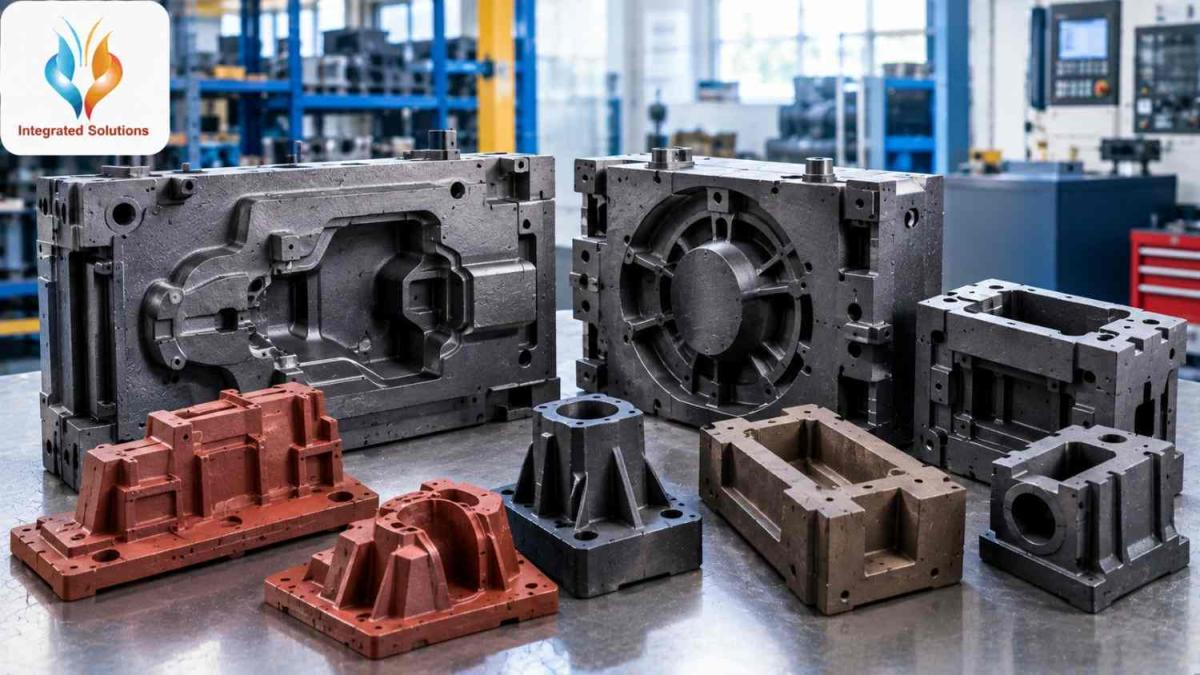
Cast iron patterns form mould cavities, while core boxes produce sand cores for internal passages and hollow casting features.
Why Foundries Cannot Afford Repeated Tooling Failures
By the time a foundry notices dimensional variation in its 500th casting, the damage may already involve rejected components, machining delays, and missed dispatch commitments.
A poorly manufactured Cast Iron Pattren & Core Box can create repeated problems across an entire production batch. What initially looks like a small tooling issue becomes a serious manufacturing expense.
For high-volume production, durability alone is insufficient. Foundries need accurate cavity dimensions, reliable core positioning, wear resistance, and repeatable moulding performance.
And yet, many buyers still select tooling primarily by its initial price.
Cast Iron Pattren & Core Box Specifications for Continuous Foundry Operations
Material Selection, Construction and Machining
Cast iron patterns form mould cavities, while core boxes produce sand cores for internal passages and hollow casting features.
For demanding production applications, important specifications include:
-
Material: Suitable grey cast iron grade selected for the application and wear conditions.
-
Manufacturing: CNC, VMC, and conventional precision machining.
-
Dimensional requirements: Drawing-based tolerances and verified datum references.
-
Surface finish: Machined surfaces suitable for mould and core release.
-
Construction: Adequate wall thickness, reinforcement, and locating arrangements.
-
Applications: Pump housings, valve bodies, engine components, and machinery castings.
The Specification Buyers Frequently Overlook
Core prints and locating surfaces deserve as much attention as cavity dimensions.
A precisely machined cavity cannot compensate for poor core location. Even slight displacement can create uneven wall thickness or machining problems.
For reference, ISO 8062-3:2023 defines dimensional and geometrical tolerance grades for castings. However, it does not automatically establish the machining tolerance of a pattern or core box. That must be agreed separately.
Five Objectives Buyers Should Set Before Approving a Tooling Supplier
Selecting reliable Cast Iron Pattren & Core Box manufacturers requires technical verification, not just comparing quotations.
-
Material traceability: Request the specified cast iron grade and supporting records. Bad answer: "We use standard cast iron for everything."
-
Dimensional verification: Ask for inspection against approved drawings. Bad answer: "Our machinist checks everything visually."
-
Production compatibility: Confirm the moulding method, core-making process, and handling arrangements. Bad answer: "This design works with every machine."
-
Tooling maintenance: Clarify repair, modification, and wear-related support. Bad answer: "We'll discuss defects after delivery."
-
Delivery planning: Request a schedule covering drawing approval, machining, inspection, and dispatch. Bad answer: "Production should finish sometime next month."
A supplier unwilling to document acceptance criteria is transferring manufacturing risk to the buyer.
Six Benefits That Protect Production Cost and Casting Quality
Where Durable Tooling Makes a Measurable Difference
-
Reduced wear: Suitable cast iron tooling resists repeated abrasive contact, potentially lowering replacement frequency.
-
Dimensional consistency: Stable tooling geometry helps limit variation between production batches, reducing rejection risk.
-
Lower maintenance interruptions: Properly designed locating and working surfaces can reduce unplanned corrective work.
-
Improved surface reproduction: Correct machining and finishing reduce the likelihood of tooling-related surface defects.
-
Better production repeatability: Consistent mould cavities and core geometry support predictable downstream machining.
-
Lower long-term tooling expense: Longer usable service life distributes the initial tooling cost across more acceptable castings.
Consider tooling costing ₹1,80,000. At 30,000 acceptable castings, its initial cost contribution is ₹6 per casting. At 60,000 acceptable castings, that becomes ₹3.
These are illustrative calculations, not promised tooling-life figures. The actual result depends on operating conditions, maintenance, and accepted output.
Availability of Cast Iron Foundry Tooling Across India
Procurement teams searching for Cast Iron Pattren & Core Box manufacturers in India should evaluate manufacturing capability alongside logistics.
Integrated Solutions operates from Gurugram, Haryana, serving foundry tooling requirements for industrial customers.
Manufacturing clusters around Faridabad, Gurugram, Rajkot, Pune, Coimbatore, and Chennai have differing production and transportation considerations.
For heavy cast iron tooling, transport planning should address lifting provisions, secure packaging, accessible unloading points, and protection of machined surfaces.
Nobody wants a fully inspected core box damaged during the final unloading operation.
About Integrated Solutions: Engineering Built Around Foundry Requirements
At Integrated Solutions, we have been involved in engineering and manufacturing services since 2004.
We manufacture customised cast iron patterns and core boxes using CAD/CAM design, CNC/VMC machining, conventional tooling methods, and quality inspection.
We work with requirements from automotive, pump and valve, industrial machinery, and heavy engineering applications.
We pay attention to an operational detail that can become expensive later: core location must be checked against the mating tooling, not judged from cavity dimensions alone.
We also provide technical assistance for tooling modifications, maintenance guidance, and repair requirements.
We invite procurement teams and foundry engineers to share their component drawings, CAD files, casting material, expected annual production quantity, required tolerances, moulding method, and delivery location.
At Integrated Solutions, we review project-specific requirements before confirming feasibility, minimum order quantity (MOQ), quotation turnaround, and manufacturing lead time.
We do not publish a fixed MOQ or guaranteed response window for custom tooling. We confirm both during enquiry review.
Conclusion
A durable Cast Iron Pattren & Core Box should deliver repeatable geometry, dependable operating life, and manageable maintenance requirements.
The cheapest initial quotation rarely tells the complete cost story.
Manufacturers investing in properly specified and inspected tooling are better positioned to protect output as production volumes increase.
Frequently Asked Questions
1. What makes a Cast Iron Pattren & Core Box suitable for high-volume production?
Stable construction, wear-resistant working surfaces, accurate machining, and dependable core alignment matter most. Actual tooling life still depends on the sand system, production method, handling, and maintenance.
2. How do Cast Iron Pattren & Core Box manufacturers control dimensional accuracy?
Reliable manufacturers work from approved engineering drawings and verify critical dimensions during inspection. Casting tolerances and tooling-machining tolerances should be specified separately.
3. Are Cast Iron Pattren & Core Box manufacturers in India suitable for customised foundry requirements?
Many manufacturers offer drawing-based production for pumps, valves, engines, and industrial components. Capability varies, so buyers should check equipment availability, inspection methods, and previous application experience.
4. Can cast iron core boxes manufacture complicated internal cavities?
Yes, provided the core design allows practical assembly, sand filling, curing, and removal. Complex undercuts may require split construction or additional loose pieces.
5. How long does a cast iron pattern or core box last?
There is no universal cycle-life figure. Wear depends on material grade, sand abrasiveness, operating pressure, handling, and maintenance frequency.
6. What should buyers ask Cast Iron Pattren & Core Box manufacturers before ordering?
Request material details, approved drawings, critical tolerance limits, inspection records, delivery milestones, and repair conditions. Avoid quotations that exclude technical acceptance requirements.
7. Does Integrated Solutions accept custom pattern and core box enquiries?
Yes. We review project drawings, CAD files, component samples, and foundry-specific requirements. We confirm pricing, MOQ, manufacturing feasibility, and delivery schedules according to the individual project.

Integrated Solutions offers customized engineering and manufacturing services for businesses across various industrial sectors. Its capabilities include CNC Precision Components, VMC Machining Components, Sheet Metal Tool Design, Rubber Moulds, Plastic Moulds, and Reverse Engineering Services. The company focuses on providing practical solutions that align with customer specifications and production requirements. From developing industrial tools to manufacturing precision components, Integrated Solutions aims to support accurate production, consistent quality, and efficient workflows. Its customer-focused approach emphasizes reliable engineering support and customized development for different applications. Businesses seeking tooling, product design, and manufacturing assistance can explore its services to meet their industrial project requirements.












Comments (0)