

Are Dermal Fillers in Dubai Safe?
Understand the safety of dermal fillers in Dubai, including possible complications, important precautions, and questions to consider before treatment.
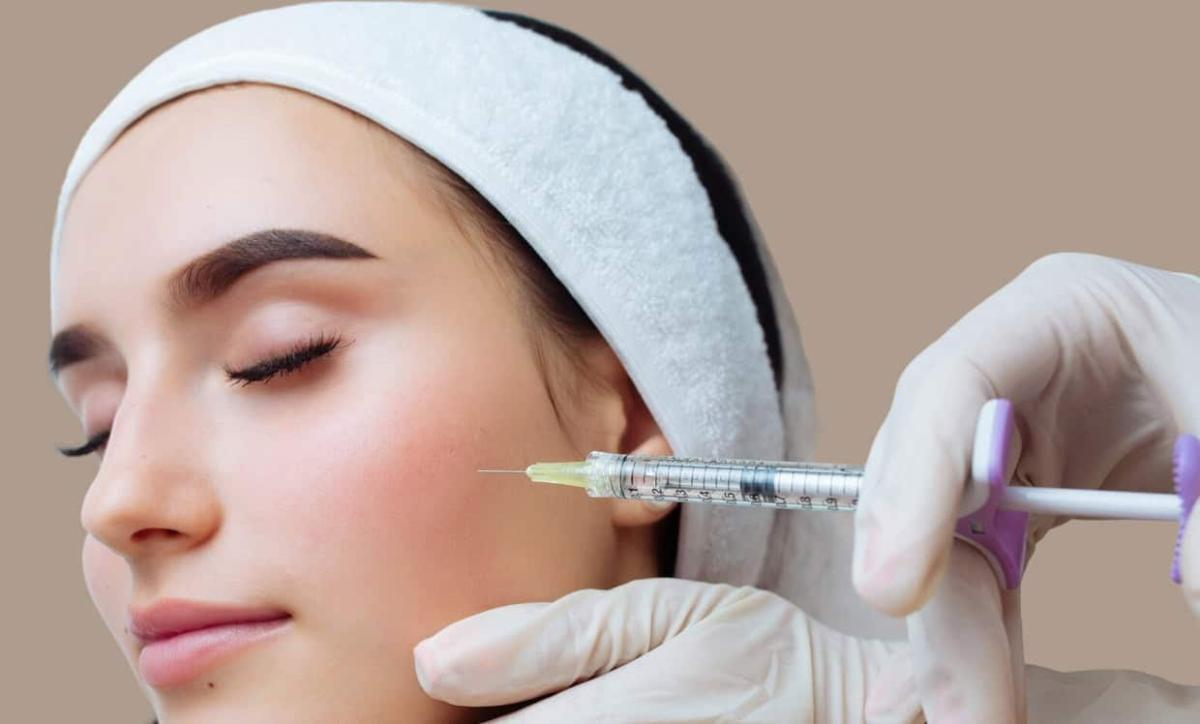
The safety of Dermal Fillers in Dubai (حشوات الجلدية في دبي) depends on several factors, including the product used, the treatment area, the injection technique, and the qualifications of the person performing the procedure. Dermal fillers are widely used to restore facial volume and enhance selected features, but they are not risk-free. Even a treatment that does not involve surgery can cause complications, some of which require urgent medical care.
Learning about the benefits and potential risks before proceeding can help you make a more informed decision. A careful assessment, clear communication, and an appropriate treatment plan are essential parts of a safer experience.
What Makes Dermal Filler Treatment Safer?
Safety begins with a thorough assessment rather than immediately choosing an injection or product. The treating professional should review your medical history, allergies, medications, previous cosmetic treatments, and the concerns you want to address. This information helps determine whether filler is appropriate and whether any additional precautions are needed.
The product should be suitable for the intended area and sourced through legitimate channels. You should be told what product is being used, its intended purpose, and the risks associated with the proposed treatment. If you are unsure about the information provided, take time to ask questions before agreeing to proceed.
The person administering filler should have appropriate qualifications, training in facial anatomy, and the ability to recognise and manage complications. Access to an emergency response plan is particularly important because certain filler-related problems can develop quickly.
Common Side Effects After Dermal Fillers
Some reactions are temporary and usually improve as the injection sites heal. These may include redness, swelling, tenderness, bruising, and small lumps that can occur during the early recovery period.
The location of treatment can influence how noticeable these effects are. For example, swelling may significantly change the appearance of the lips, while bruising around the cheeks or under-eye area may take time to fade. Temporary unevenness does not always indicate a lasting problem, but persistent or worsening symptoms should be assessed.
Before treatment, ask what reactions are expected, how long they may last, and when you should seek medical advice. Understanding the difference between ordinary recovery and a possible complication can help you respond appropriately.
Serious Risks You Should Understand
Although uncommon, serious complications can occur with dermal fillers. Infection, inflammatory reactions, persistent nodules, and allergic-type responses are among the potential risks. Some complications may develop immediately, while others can appear later.
One particularly serious complication is vascular occlusion, which occurs when filler obstructs blood flow in a blood vessel. This can cause tissue damage and, in rare cases, vision loss or other severe consequences. Knowledge of facial vascular anatomy and the ability to recognise warning signs are therefore crucial.
Seek urgent medical assessment if you experience severe or increasing pain, unusual pale or dusky skin, mottled discolouration, or skin that feels unusually cool after injection. Any visual disturbance following filler treatment is a medical emergency and requires immediate emergency care.
Does the Type of Filler Affect Safety?
Yes. Different fillers have different properties, indications, and risk profiles. Hyaluronic acid fillers are commonly used for lips, cheeks, and selected facial contours. One important distinction is that certain hyaluronic acid fillers can sometimes be broken down using hyaluronidase. However, this does not guarantee that every complication can be completely reversed.
Other filler materials may behave differently and can be more difficult to remove. The choice should depend on the treatment area, the desired outcome, your medical history, and the product's suitability rather than popularity alone.
Avoid choosing a product simply because it is described as long-lasting or because someone else had a positive experience with it. A treatment that suits one person may not be appropriate for another.
Who May Need to Postpone or Avoid Treatment?
Not everyone is a suitable candidate for dermal fillers. Active skin infections near the intended injection site may require treatment before an injection can be considered. Certain medical conditions, a history of serious reactions, or other health-related factors may also affect suitability.
People who are pregnant or breastfeeding are generally advised to postpone elective filler treatment because adequate safety data are limited. If you take medicines that affect bleeding or have a condition that influences healing, discuss this before making a decision. Do not stop prescribed medication without guidance from the professional managing your care.
A responsible assessment should consider whether the likely benefits justify the risks for your individual circumstances. It should also explain alternative options when filler is not suitable.
Questions to Ask Before Getting Dermal Fillers in Dubai
Before proceeding, make sure you understand the proposed treatment. Ask which product will be used, why it is appropriate for your chosen area, what results are realistic, and how long those results may last. You should also ask about common side effects, serious complications, recovery expectations, and follow-up arrangements.
It is reasonable to ask about the professional's relevant qualifications and experience with the specific area being treated. Find out how urgent complications are handled and whom you should contact if symptoms develop after the appointment.
Take time to consider the answers. You should never feel pressured to undergo treatment immediately or accept a procedure you do not fully understand.
Why Conservative Treatment Planning Matters
A balanced result does not require the maximum possible amount of filler. Injecting excessive product can create an unnatural appearance and may increase the likelihood of problems. Treating several areas at once can also make it harder to assess how each change affects overall facial proportions.
A conservative approach focuses on the specific concern, appropriate product selection, and careful placement. In some cases, an alternative treatment or no treatment at all may be the most suitable option.
It is also important to understand that filler does not stop natural ageing, and repeated injections should not be scheduled automatically. Future treatment decisions should be based on a fresh assessment rather than the assumption that more volume is always better.
Making an Informed Decision About Dermal Fillers
The safety of Dermal Fillers in Dubai cannot be judged by appearance alone. A polished result does not reveal whether the product was appropriate, whether potential risks were explained, or whether proper precautions were taken. Informed consent, suitable qualifications, product transparency, and access to appropriate follow-up care all matter.
Before choosing a treatment, compare your options carefully and make sure your questions are answered. TAJMEELS DUBAI عيادة تجميل can be part of your research as you explore facial enhancement options and consider professional guidance that places individual suitability, realistic expectations, and safety at the centre of treatment planning.

Provide health services











Comments (0)