

FUE Hair Transplant in Dubai: What to Expect
Find out what to expect from FUE hair transplant in Dubai, including preparation, the treatment process, recovery milestones, and gradual hair regrowth.
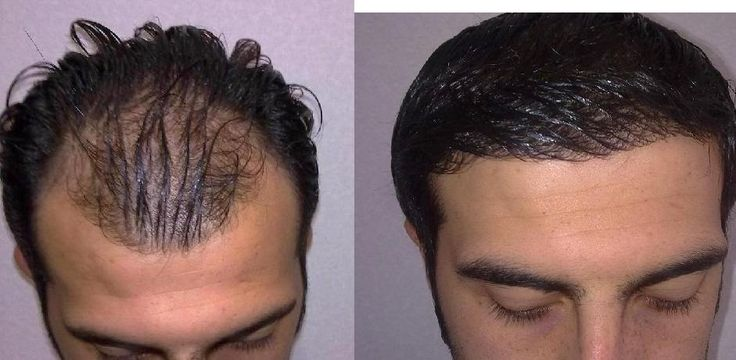
Considering hair restoration often comes with questions about preparation, the procedure itself, and how long it takes to see visible changes. FUE hair transplant in Dubai is an option for people who want to address selected areas of thinning or baldness by relocating individual hair follicles. Knowing what happens at each stage can help you prepare for the experience, understand the recovery process, and develop realistic expectations about the outcome.
Before Your FUE Hair Transplant in Dubai
Preparation begins with an assessment of your hair-loss pattern, scalp condition, donor hair density, and restoration goals. The evaluation helps determine whether sufficient healthy follicles are available and how they could be distributed across the areas requiring coverage.
You may be asked about your medical history, medications, allergies, and previous hair-loss treatments. Follow any instructions about medication adjustments only after discussing them with the relevant healthcare professional. Smoking, certain health conditions, and some medications can affect healing, so sharing accurate information is important.
It is also helpful to discuss the expected hairline, the approximate number of grafts, possible scarring, and the limitations of transplantation before making a decision.
What Happens on the Day of Treatment?
Donor and Recipient Area Preparation
The treatment begins with preparation of the selected donor area and the region receiving the grafts. The planned hairline and implantation areas may be marked to guide the procedure. Local anaesthesia is commonly used to reduce discomfort during follicle extraction and implantation.
The duration depends on the number of grafts, the size of the treatment area, and the individual treatment plan. Your care team should explain the expected schedule and any instructions relevant to the day.
Individual Follicle Extraction
During the extraction stage, individual follicular units are removed from the donor area using specialized instruments. The follicles are handled carefully before implantation to help preserve their viability. Small extraction marks remain and generally heal over time, although tiny scars may be visible.
Implantation and Hairline Design
The extracted grafts are placed into prepared sites in the recipient area. Their angle, direction, and distribution are important because hair grows differently around the hairline, temples, and crown. The placement strategy aims to complement the surrounding hair and provide coverage appropriate to the available donor supply.
The First Few Days After the Procedure
The scalp may feel sensitive after treatment, and mild swelling, redness, or small crusts can develop. These effects usually improve as healing progresses, although the recovery experience varies from person to person.
Follow the recommended instructions for washing your scalp and protecting the treated area. Avoid scratching, rubbing, or removing crusts manually. Sleeping and activity recommendations may differ depending on the procedure, so follow the specific guidance provided for your recovery.
If you experience increasing pain, spreading redness, fever, unusual discharge, or other concerning symptoms, seek prompt medical advice.
Understanding Hair Shedding and Regrowth
One of the most surprising parts of the recovery process is temporary shedding. Transplanted hair shafts often fall out during the first few weeks, even when the follicles remain in place. This phase is commonly referred to as shock shedding and is part of the hair growth cycle.
New growth appears gradually over subsequent months. Early changes may be subtle, with more noticeable improvement often developing between six and nine months. The transplanted hair can continue to mature for twelve months or longer, and some areas may take additional time to show their full development.
Patience is important because the scalp will not look fully restored immediately after treatment.
How to Support a Smooth Recovery
Gentle scalp care, appropriate rest, and following aftercare instructions can help protect the treated areas. Avoid strenuous activity until it is appropriate to resume, and protect the scalp from excessive sun exposure according to the guidance you receive.
Do not apply unapproved products to the healing scalp or begin new hair-loss treatments without checking whether they are suitable for your situation. Attend recommended follow-up appointments so healing and hair growth can be assessed.
Setting Realistic Expectations
FUE hair transplantation redistributes existing follicles rather than creating new ones. The final level of coverage depends on donor hair quality, the number of viable grafts, scalp characteristics, and ongoing hair loss in untreated areas. Some people achieve noticeable improvement, while others may have more limited density because of their individual circumstances.
Understanding these factors before treatment can help you evaluate progress fairly and avoid expecting immediate or identical results to those seen in other people.
Final Thoughts
FUE hair transplant in Dubai involves preparation, individual follicle extraction, carefully planned implantation, and a gradual recovery period. Knowing what to expect at every stage can make the process easier to understand and help you prepare for the time required to evaluate the outcome. For further information about hair restoration options, TAJMEELS CLINIC can be part of your research as you consider your needs, expectations, and long-term hair goals.
For More Details, Contact Us Through:
WhatsApp: +971 56 203 8751
Phone: +971 4 373 9000
Social Media:

Provide health services












Comments (0)