

What to Know Before Ordering Steel Roof Trusses in Perth
Before buying steel roof trusses in Perth, learn about design, strength, cost, materials, weather, installation, and key factors for your project.

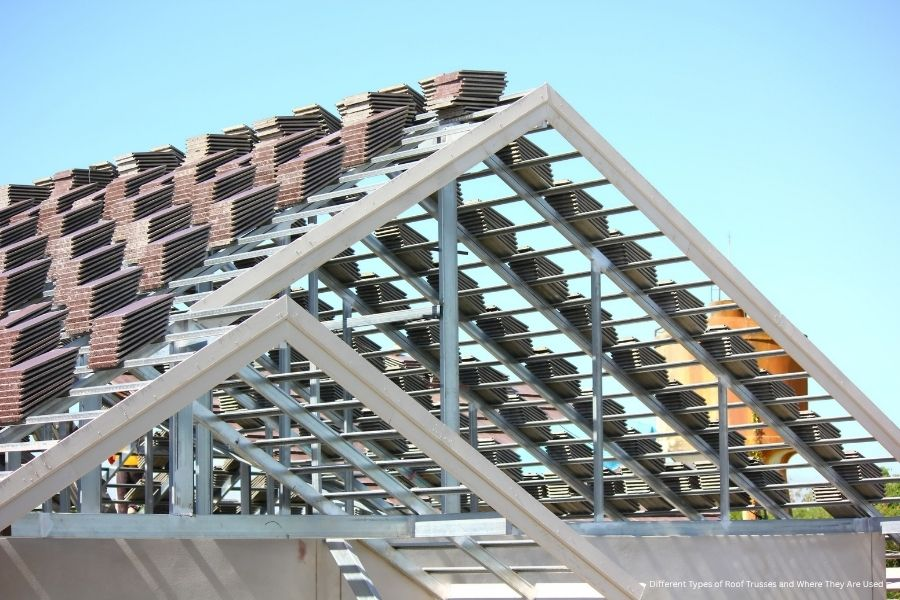
However, ordering roof trusses is not simply about choosing a material and placing an order. Several factors can affect the design, price, strength, and installation of the truss system. Understanding these points before ordering can help prevent delays, unexpected costs, and problems during construction.
Understand Your Building Requirements
Before requesting a quote, have a clear idea of what you are building. The type of property, roof shape, building size, and intended use can all affect the truss design.
A residential home may require a different system from a warehouse, garage, commercial building, or large-span structure. The roof pitch, span, load requirements, and placement of internal walls should also be considered during the design stage.
Providing accurate building plans and measurements can help the manufacturer or supplier understand what is required.
Consider the Roof Design
The shape and pitch of your roof have a direct impact on the type of truss required. Simple roof designs may have straightforward truss requirements, while more complex designs can involve different truss types, connections, and support arrangements.
Common considerations include roof pitch, span, eaves, roof coverings, ceiling requirements, and any openings or special architectural features.
It is better to finalise the roof design before ordering rather than making major changes after fabrication has started.
Check the Load Requirements
Roof trusses need to carry more than just their own weight. They may also need to support roofing materials, ceilings, insulation, solar panels, maintenance loads, and other permanent or temporary loads.
The expected loads should be considered during structural design. In some projects, local environmental conditions can also influence the engineering requirements.
A properly designed roof structure helps distribute these loads safely to the supporting walls and other structural elements.
Think About Perth's Weather Conditions
Perth experiences hot summers, strong winds, seasonal rainfall, and, in some areas, coastal conditions. These factors should be considered when planning a roof structure.
Wind loads are particularly important because they can place significant pressure on roofing and structural components. Properties located close to the coast may also need greater consideration of corrosion protection because of exposure to salt in the air.
The right material, protective coating, connection method, and structural design can all contribute to long-term performance.
Ask About Corrosion Protection
Steel can provide a strong and durable structural solution, but protection against corrosion is an important consideration.
Ask about the type of steel being used and whether it has an appropriate protective coating for the intended environment. This becomes particularly important for buildings located near the coast or in areas where the structure may be exposed to moisture or other corrosive conditions.
Understanding the protection applied to the steel before ordering can help you make a better long-term decision.
Check Engineering and Australian Standards
Structural components should be designed and manufactured according to the applicable Australian requirements. Depending on the project, engineering calculations, drawings, certification, and other documentation may be required.
Do not rely only on a basic price when comparing suppliers. Ask what engineering information is included and whether the proposed truss system has been designed for the actual building.
Proper documentation can also make coordination between the designer, builder, and installer much easier.
Compare More Than Just the Price
The cheapest quote is not always the most suitable option. When comparing roof truss quotes, look at what is actually included.
Consider the steel grade, protective coating, engineering, fabrication, delivery, connection details, drawings, and installation requirements. A lower initial price may not represent better value if important components or services are excluded.
Getting detailed quotes from experienced steel frame suppliers can make it easier to compare the complete cost of the project.
Plan Delivery and Site Access
Large or prefabricated roof components need to reach the construction site safely. Before ordering, check whether there is enough space for delivery vehicles and whether the site has suitable access.
Delivery timing should also be coordinated with the construction schedule. If the roof trusses arrive too early, storing them on-site may become difficult. If they arrive too late, other construction work may be delayed.
Good communication between the supplier and builder can help avoid these problems.
Think About Installation
Roof trusses are only useful when they can be installed correctly. Before ordering, understand how the components will be delivered, lifted, positioned, and secured.
The installation process may depend on the size and weight of the trusses, site conditions, available equipment, and building design. The builder should have access to the relevant drawings and installation information before work begins.
Never assume that every roof truss system can be installed in the same way.
Ask Questions Before Placing the Order
Before confirming an order, ask questions about the design, materials, engineering, lead time, delivery, installation, and warranty or product support.
It is also worth confirming whether changes can be made after the order is placed and what additional costs may apply if the building design changes.
Having these details in writing can reduce misunderstandings later in the project.
Final Thoughts
Ordering roof trusses requires more planning than simply choosing a structural material. Building size, roof design, load requirements, Perth's weather, corrosion protection, engineering, delivery, and installation all need to be considered.
Taking time to review these factors before ordering can help create a stronger and more organised construction process. Whether the project is a new home, commercial building, shed, workshop, or larger development, choosing a suitable roof structure at the planning stage can make a significant difference to the overall project.
FAQs
Consider your roof design, building size, load requirements, steel quality, corrosion protection, engineering requirements, delivery, and installation.
Yes. They can be suitable for many residential projects when they are properly designed for the building and local conditions.
The cost varies depending on the roof size, design, span, materials, engineering requirements, and installation. Getting a detailed project-specific quote is the best way to estimate the total cost.
Both materials have advantages. Steel can offer strength, durability, and resistance to issues such as termites, while timber may suit certain designs and budgets. The right choice depends on the project.

tanakasofia
I'm a dedicated content writer with a passion for creating clear, engaging, and SEO-friendly articles that inform and connect. With experience across a range of industries—especially automotive, lifestyle, and small business—I specialize in breaking down complex topics into simple, easy-to-understand language.












Comments (0)