

The Importance of Third-Party Testing in Vape Products
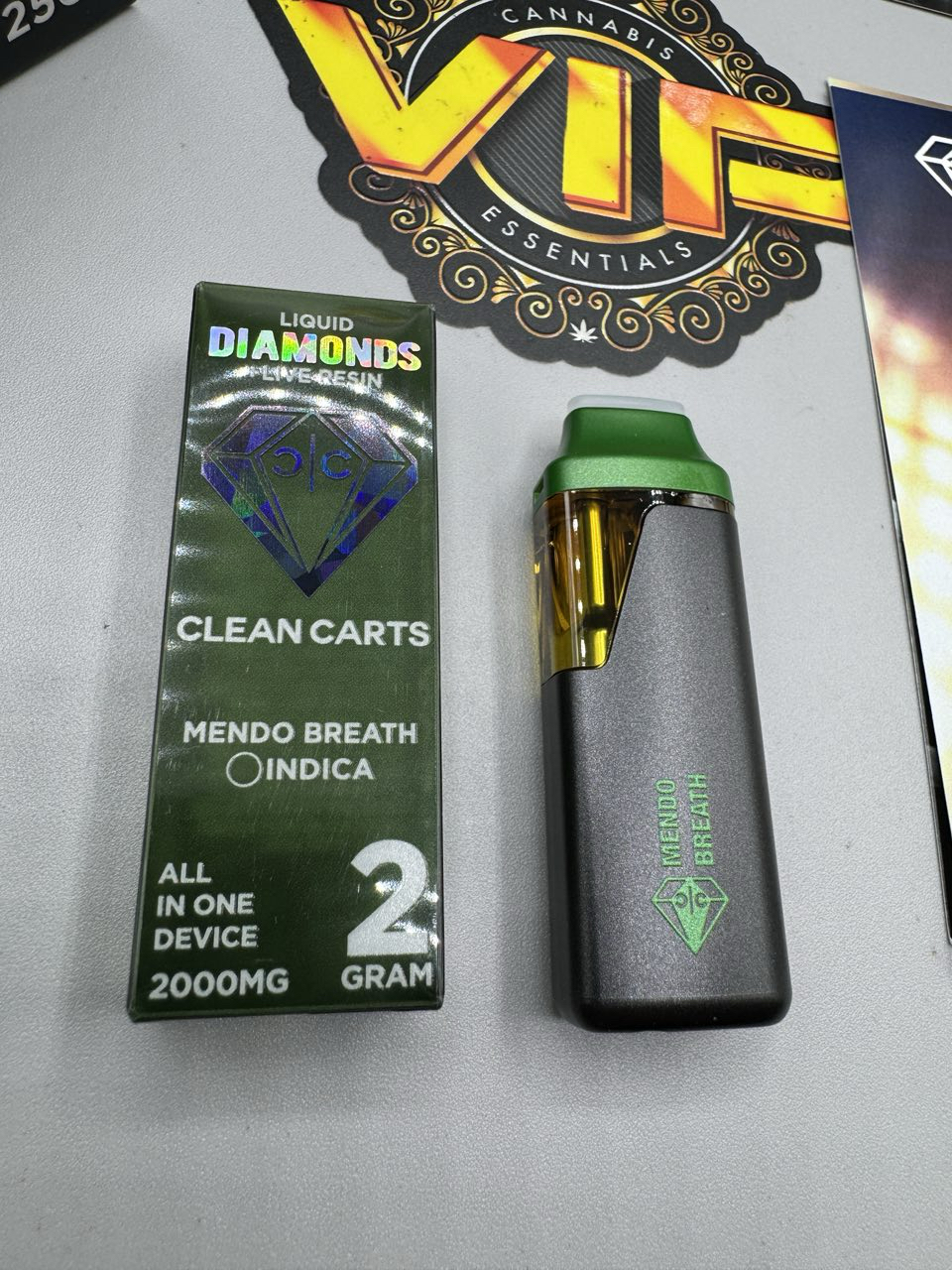
Did you know that the liquid inside a vape cartridge can contain heavy metals or pesticides even if the label says it is organic? You might assume that every product on a store shelf undergoes strict government checks before it reaches your hands. The vaping industry often moves faster than official regulations - this gap makes independent verification a vital tool for anyone who values their lung health and physical safety.
When you buy a vape, you are trusting the manufacturer with your well being. Third party testing acts as a neutral referee between the company and the consumer. It ensures that what you breathe into your body matches the description on the box. Without these checks, there is no way to confirm if a product is clean or if it contains hidden hazards that could cause long term harm.
Understanding Third Party Laboratory Testing
Third-party testing is a process where an outside lab examines a product - this lab has no financial connection to the brand making the vape. Because the scientists do not profit from the sales, their results are objective. They look for specific chemicals, measure concentrations and check for biological growth that should not be there - this data is usually published in a document called a Certificate of Analysis (COA).
Many reputable brands now provide these reports directly on their websites. If you look at products like clean carts disposable options, you can often find QR codes on the packaging. Scanning the codes takes you to the specific lab results for that batch - this connection between the physical item and the digital report gives you a clear picture of the liquid's chemical makeup.
Safety Standards & Harmful Contaminants
Safety is the primary reason these tests exist - During the manufacturing process, unwanted materials can accidentally enter the oil. Soil where hemp or tobacco grows might contain lead or mercury, which the plants soak up. Machines used for extraction can also leak solvents or oils into the final mixture. A lab test screens for these specific dangers to keep them out of your system.
Common items labs search for include
- Heavy Metals Such as lead, arsenic, cadmium and mercury.
- Residual Solvents Chemicals like butane or ethanol used during extraction.
- Pesticides Toxic sprays used during the farming process.
- Mycotoxins Harmful byproducts from mold or fungus.
Inhaling the substances is much more dangerous than eating them because they go directly into your bloodstream through your lungs. High quality disposables undergo rigorous screening to ensure these levels are at zero or within safe legal limits. If a batch fails, a responsible company destroys it rather than selling it to you.
Verification of Potency & Ingredients
Accuracy in labeling is another major benefit of independent checks. A brand might claim a product has a certain percentage of nicotine or CBD but the actual amount is much lower. Some products might be much stronger than advertised, which can lead to an uncomfortable or overwhelming experience for you. Testing confirms the exact strength of the active ingredients.
Labs also verify the terpene profile - Terpenes are the compounds responsible for the flavor and scent of the vapor. By checking these, the lab ensures the flavor is natural and not created by dangerous synthetic additives. You deserve to get exactly what you pay for and the reports are the only way to prove the manufacturer is telling the truth about their formula.
Building Transparency & Consumer Trust
Transparency is a sign of a professional brand - Companies that hide their ingredients or refuse to show lab results are often cutting corners. When you visit a reliable source like darkwebmarketsupply.com, you can see which brands prioritize open communication - this openness helps you distinguish between fly-by-night operations and established businesses that care about their reputation.
Trust is hard to earn in the vaping world because of past health scares related to low quality street products. By demanding third party results, you are voting with your wallet for a safer industry. It forces all players to improve their standards. Always remember that a "good deal" on a vape is not worth the risk if the seller cannot prove the product is free from vitamin E acetate or other thickening agents that cause lung disease.
FAQ
How do I read a Certificate of Analysis (COA)?
Look for the "Status" column on the report - It should say "Pass" for every category, including heavy metals, pesticides and microbes. Check that the batch number on the report matches the number printed on your product packaging to ensure the results are current.
Is third party testing required by law?
Regulations vary significantly depending on where you live and what type of product you are buying. In many places, strict testing is mandatory for nicotine and cannabis products but some loopholes still exist. Choosing brands that volunteer for testing regardless of the law is a safer strategy for you.
Can lab results be faked?
While rare, some dishonest companies might alter a PDF or use an old report for a new batch. You can verify a report - contacting the laboratory listed at the top of the document. Many legitimate labs have an online database where you can enter the report ID to see the original, unedited data.
Dark Web Market Supply is an online marketplace information platform focused on digital marketplace trends, online privacy, cybersecurity awareness, and the evolving world of internet commerce. Our goal is to provide visitors with an accessible place to explore marketplace information, understand digital services, and learn about the security considerations associated with online environments. By bringing relevant topics together in one centralized resource, we aim to make digital research more convenient, informative, and straightforward.















Comments (0)