

Parapet Wall Repair Queens: How to Identify Hidden Damage Before It Spreads

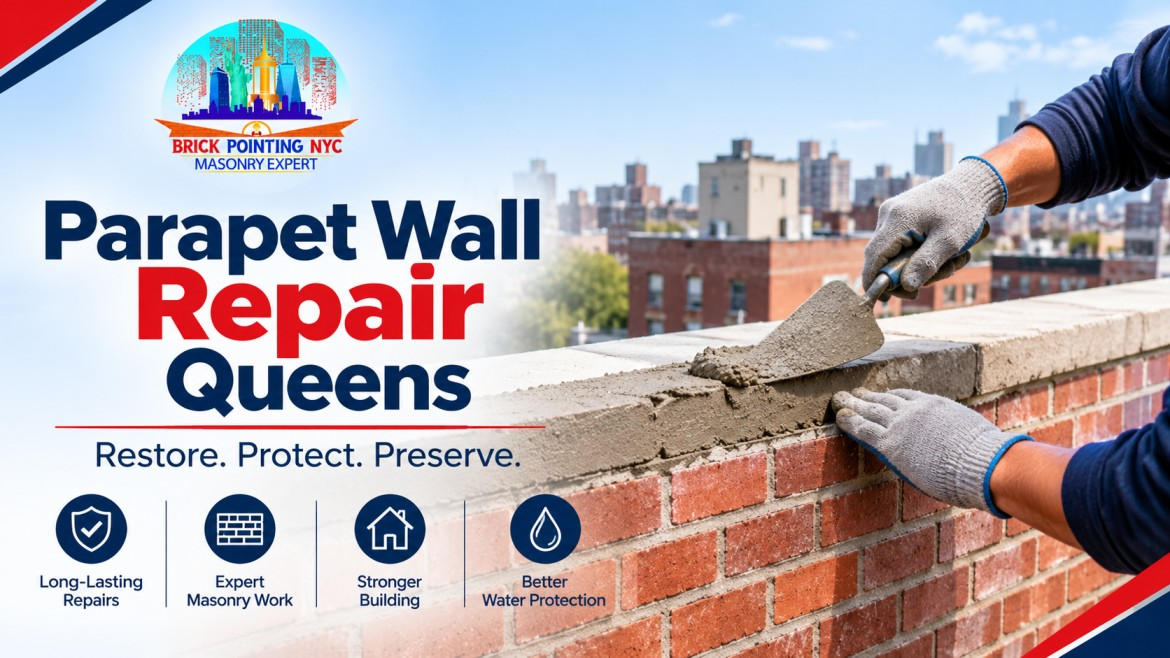
Parapet walls are an important part of many residential and commercial buildings in Queens. Located above the roofline, these walls help protect roof edges and contribute to the building's exterior appearance. However, their exposed position makes them vulnerable to rain, wind, temperature changes, and long-term moisture damage. While some problems are easy to notice, others develop behind the visible masonry surface.
Ignoring early signs of deterioration can lead to loose bricks, damaged mortar joints, water penetration, and costly restoration work. Regular inspections and timely Parapet Wall Repair Queens services help property owners identify hidden problems and maintain the condition of their buildings.
Why Hidden Parapet Wall Damage Should Not Be Ignored
Parapet walls experience continuous exposure to changing weather conditions. Rainwater can enter through small cracks, open mortar joints, and damaged coping stones. Once moisture reaches the inner sections of masonry, it may gradually weaken the surrounding materials.
The problem can become more serious during winter. Water trapped inside small openings can freeze and expand, putting additional pressure on bricks and mortar. Repeated freezing and thawing may cause cracks, surface deterioration, and loose masonry.
Some damage may remain unnoticed until stains appear inside the building or pieces of masonry begin separating from the wall. This is why property owners should not rely only on visible signs when evaluating parapet wall conditions.
Common Signs of Hidden Parapet Wall Damage
Understanding the warning signs can help building owners arrange professional inspections at the right time.
1. Hairline Cracks Around Masonry Joints
Small cracks around bricks and mortar joints may appear harmless initially. However, they can provide an entry point for rainwater. Over time, moisture may travel deeper into the wall and affect nearby masonry materials.
Cracks should be examined to determine whether they are related to normal surface deterioration or indicate a more serious issue.
2. Interior Water Stains
Water stains near the upper floors, ceilings, or roof edges can sometimes indicate problems with parapet walls. Damaged coping, defective flashing, and deteriorated mortar joints may allow moisture to enter the building.
Although interior stains can have several causes, the exterior masonry should be inspected when water damage appears near the roofline.
3. Loose or Hollow-Sounding Masonry
Bricks that have become loose or separated from surrounding materials require attention. In some cases, damaged mortar may reduce the bond between individual masonry units.
A professional inspection can help identify unstable sections and determine whether repointing, brick replacement, or more extensive repairs are required.
4. Deterioration Around Coping Stones
Coping stones cover the top of parapet walls and help direct rainwater away from the masonry. Cracked surfaces, open joints, and loose coping units can allow moisture to enter from above.
Damage around coping may not always be visible from street level, making a proper rooftop inspection important.
5. White Deposits on Brick Surfaces
White powdery deposits on masonry are commonly associated with efflorescence. They develop when moisture moves through masonry and leaves soluble salts behind as it evaporates.
Efflorescence does not automatically indicate structural damage, but recurring deposits may point to an ongoing moisture problem that needs investigation.
How Professionals Inspect Parapet Wall Conditions
A proper inspection involves examining the complete affected area rather than focusing only on visible cracks. Contractors assess the condition of bricks, mortar joints, coping stones, flashing, and connections between the parapet wall and roof.
They also look for signs of movement, water penetration, and previous repair work that may have failed. Depending on the building's height and accessibility, suitable equipment may be needed to examine difficult-to-reach sections safely.
The findings help determine whether the problem requires localised repairs or a larger restoration project.
Repair Methods for Different Types of Damage
The repair method depends on the location, extent, and cause of deterioration.
Repointing: When mortar joints become cracked or deteriorated, damaged mortar can be carefully removed and replaced with compatible material. This helps restore the joints and reduce moisture entry.
Brick Replacement: Bricks with severe cracking, spalling, or damage may need replacement. New units should be selected to match the existing masonry as closely as possible.
Coping Repairs: Cracked or loose coping stones may require resetting, joint repairs, or replacement. Proper installation helps protect the top of the wall from rainwater.
Flashing Repairs: Damaged or poorly sealed flashing can allow water to enter around roof-to-wall connections. Repairing these details helps improve moisture protection.
Masonry Restoration: When deterioration affects larger sections, partial rebuilding or more extensive restoration may be necessary.
Why Early Repairs Are Better for Building Owners
Addressing parapet wall problems early can help prevent damage from spreading to nearby masonry and roofing components. Small mortar repairs may be simpler to manage than extensive restoration involving multiple sections of the wall.
Timely maintenance can also help reduce safety concerns associated with loose bricks and unstable coping stones. This is particularly important for commercial and multi-storey buildings where pedestrians and occupants may be present near the structure.
Property owners should also keep records of inspections and completed repairs. These records make it easier to monitor recurring problems and plan future maintenance.
Choosing a Professional Parapet Wall Repair Contractor in Queens
Parapet wall repairs require knowledge of masonry materials, water protection, and rooftop construction details. A suitable contractor should inspect the damaged area, explain the cause of deterioration, and recommend a repair method based on the building's condition.
Before starting work, property owners should discuss material selection, access arrangements, safety precautions, and the expected project scope. It is also useful to review previous masonry restoration work and confirm that the contractor has appropriate insurance.
At Brick Pointing NYC, we provide masonry repair and restoration services for properties across Queens and other parts of New York City. We work on deteriorated mortar joints, damaged bricks, parapet wall concerns, and related exterior masonry problems. Our focus is on identifying the condition of the structure and recommending suitable repair solutions.
Conclusion
Hidden parapet wall damage can develop gradually and remain unnoticed until it causes visible problems. Small cracks, deteriorating mortar, damaged coping, and recurring moisture stains should be inspected before the condition becomes more serious.
Professional Parapet Wall Repair Queens services help property owners identify underlying issues, restore damaged masonry, and protect their buildings from further deterioration. Regular inspections and timely maintenance are practical steps towards keeping parapet walls in good condition.











Comments (0)