

How Professional Cleaning Supports Diesel Fleet Maintenance
Diesel fleets depend on reliable engines and exhaust systems to keep vehicles working efficiently. Trucks, buses, construction equipment, agricultural machinery, delivery vehicles, and other diesel-powered equipment can spend long hours under demanding operating conditions. Over time, these conditions can affect the Diesel Particulate Filter and other exhaust components.

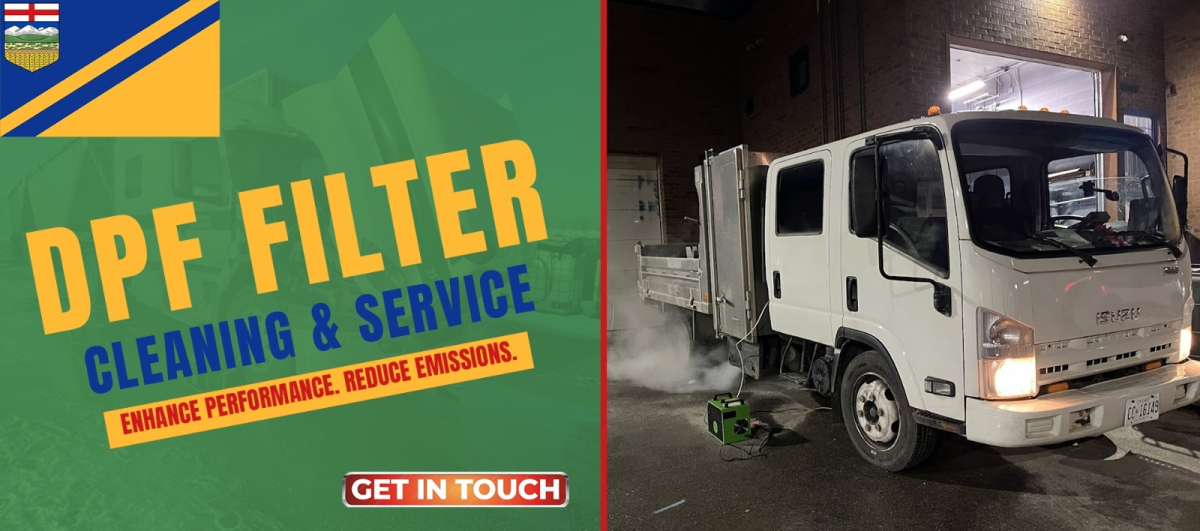
The DPF captures particulate matter produced during diesel combustion. Regeneration helps burn accumulated soot, but some materials can remain inside the filter. Ash, oil residue, carbon deposits, and other contaminants can gradually affect exhaust flow and filter capacity.
For businesses considering DPF cleaning Alberta, it is important to look at cleaning as part of a broader maintenance strategy rather than treating it as an isolated repair.
Understand What the DPF Is Managing
A DPF is designed to capture soot before it leaves the exhaust system. During normal operation, the vehicle periodically performs regeneration to reduce accumulated soot.
However, regeneration does not remove every substance that can collect inside the filter. Non-combustible ash can remain, while oil and other residues may also contribute to deposits.
As accumulation increases, the filter can become more restrictive. This can affect exhaust flow and place additional demands on the engine and emissions system.
Understanding this process helps fleet operators make more informed maintenance decisions.
Consider How Each Vehicle Is Used
Operating conditions have a major influence on DPF performance.
A long-haul truck may spend many hours at highway speeds, while a local delivery vehicle may make frequent stops and operate at lower speeds. Construction equipment may spend extended periods under heavy load, while municipal vehicles may experience frequent idling and short operating cycles.
These differences mean that two vehicles with similar mileage may not have the same DPF condition.
Fleet managers should consider mileage, engine hours, idling, workload, route type, and regeneration frequency when reviewing maintenance requirements.
Regeneration Is Only One Part of DPF Care
Regeneration is an important part of normal DPF operation, but it should not be confused with complete filter cleaning.
During regeneration, accumulated soot is exposed to high temperatures so that much of it can be burned. Materials that cannot be burned away may remain inside the filter.
If deposits continue to accumulate, the filter may eventually require professional attention. Repeated regeneration may not resolve a restriction caused by ash, oil residue, or other accumulated contaminants.
This is one reason maintenance decisions should consider both regeneration history and the physical condition of the filter.
Look Beyond the DPF
The DPF operates as part of a larger diesel exhaust and emissions system. Other components can influence how much material reaches the filter and how effectively the system operates.
Engine combustion, turbocharger performance, EGR operation, the Diesel Oxidation Catalyst, and SCR components can all be relevant when investigating recurring exhaust restrictions.
If a DPF becomes restricted repeatedly after cleaning, the underlying cause should be investigated. Otherwise, the same problem may return.
A broader inspection can help determine whether the issue is limited to accumulated deposits or connected to another mechanical or emissions-system problem.
Use Maintenance Records to Identify Changes
Good records can make DPF maintenance easier to manage.
Fleet operators can record regeneration events, mileage, engine hours, fuel consumption, warning messages, previous cleaning, and related repairs. These details can provide a useful history for each vehicle.
For example, if a vehicle begins regenerating more frequently than it normally does, the change can be investigated before the restriction becomes more severe.
Records can also help compare similar vehicles. If one unit requires significantly more DPF attention than others operating under similar conditions, that difference may justify additional inspection.
Plan Cleaning Around Fleet Schedules
Unexpected vehicle downtime can create problems for businesses that depend on commercial transportation or equipment. Delayed deliveries, disrupted work schedules, and unavailable machinery can affect daily operations.
Planned DPF service gives fleet managers more control over when a vehicle is taken out of service.
When practical, DPF inspection or cleaning can be coordinated with other scheduled maintenance. This approach can reduce unnecessary interruptions and make it easier to keep vehicles available for their assigned work.
For larger fleets, maintenance records can also help prioritize vehicles based on usage and service history.
Understand When Professional Cleaning May Help
Professional cleaning can be considered when accumulated deposits are affecting filter performance and the filter remains suitable for service.
The type of buildup matters. Soot, hardened ash, oil residue, and sludge associated with unsuccessful regeneration can require different treatment considerations.
Professional cleaning methods are designed to address accumulated contaminants more thoroughly than normal regeneration alone. Some systems can also treat the DPF while it remains installed, depending on the vehicle and the cleaning process being used.
A proper assessment should determine whether cleaning is appropriate or whether repair or replacement is necessary.
Avoid Assuming Every Restricted Filter Needs Replacement
A restricted DPF does not automatically mean the filter must be replaced.
The filter's physical condition should be evaluated before making a replacement decision. If it is structurally sound but restricted by accumulated deposits, professional cleaning may provide a way to restore its function.
If the filter has severe physical damage, melting, cracking, or another condition that prevents proper operation, replacement may be required.
Making this distinction can help fleet operators avoid making maintenance decisions based solely on a warning light or restriction reading.
Monitor Performance After Service
DPF maintenance should continue after cleaning.
Following service, operators can monitor regeneration frequency, fuel consumption, engine response, warning messages, and other relevant performance indicators.
If the vehicle returns to normal operation and remains stable, the service history can provide a useful reference for future maintenance planning.
If restrictions return quickly, the recurrence should be investigated rather than assuming that another cleaning is automatically the answer.
Make DPF Care Part of Preventive Maintenance
A DPF should be considered alongside other routine diesel maintenance rather than managed only when a major problem occurs.
A practical maintenance program can include:
- Monitoring regeneration activity
- Reviewing operating conditions
- Maintaining the engine and fuel system
- Tracking fuel consumption
- Recording DPF service history
- Inspecting related exhaust components
- Scheduling professional cleaning when appropriate
- Investigating recurring restrictions
This approach provides fleet operators with better information and can make maintenance planning more predictable.
Why Timely Attention Matters
A DPF that remains restricted can affect more than the filter itself. Reduced exhaust flow may influence engine operation and contribute to additional stress across related components.
Addressing accumulated deposits at an appropriate stage can help maintain normal exhaust flow and reduce the risk of extended downtime.
For businesses researching DPF cleaning Alberta, the focus should therefore be on the condition of the filter, the cause of the buildup, the vehicle's operating environment, and the maintenance strategy that follows the cleaning.
Final Thoughts
Professional DPF cleaning can be an important part of maintaining diesel vehicles, particularly when they operate under demanding commercial conditions. Regeneration remains an essential part of normal DPF operation, but it does not remove every type of deposit that can accumulate inside the filter.
A practical approach combines operating awareness, maintenance records, engine care, regeneration monitoring, professional inspection, and cleaning when the filter's condition calls for it.
For diesel fleets, treating DPF care as part of preventive maintenance can make it easier to manage vehicle availability, identify recurring problems, and maintain consistent equipment performance over time.







Comments (0)