

How Branded Food Wrapping Can Improve Takeaway and Bakery Presentation
This article explores how branded food wrapping can improve the presentation, functionality, and consistency of bakery and takeaway packaging. It covers food wrapping paper, grease resistance, branding, sustainable packaging considerations, and practical applications for restaurants, cafés, bakeries, and food businesses. Discover how well-designed food wrapping can protect products, reduce mess, improve takeaway presentation, and create stronger brand recognition. The article explains practical ways businesses can use printed and customized wrapping paper across burgers, sandwiches, pastries, baked goods, and other food products while maintaining a professional packaging experience.
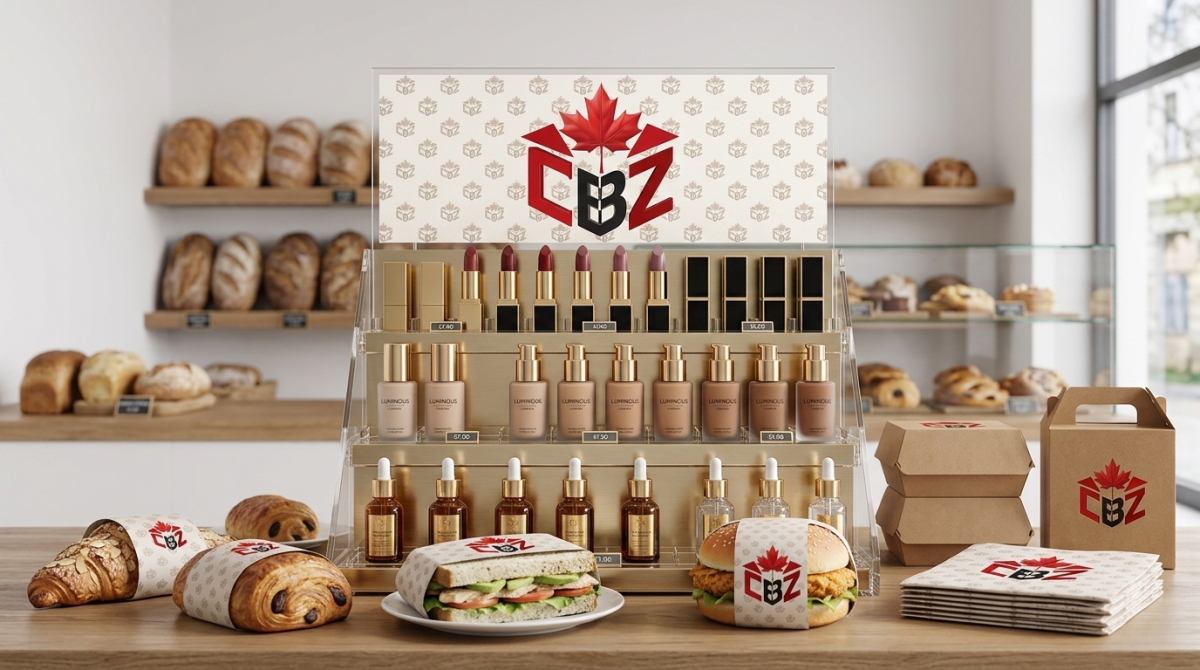
Food packaging is no longer limited to protecting meals during storage or delivery. For bakeries, cafés, restaurants, food trucks, and takeaway businesses, even a simple sheet of wrapping paper can influence how customers see a product. Clean, practical, and well-designed wrapping can create a more polished presentation while helping businesses maintain consistency across their packaging.
This is where branded food wrapping becomes useful. Instead of relying entirely on plain packaging, businesses can use printed paper to introduce their logo, colours, patterns, or other visual elements directly around the food. The result is packaging that performs a practical function while also becoming part of the customer's overall experience.
Why Food Wrapping Matters for Modern Businesses
Food often comes into direct contact with packaging during preparation, serving, and takeaway. A suitable wrapping material can help keep products organized, reduce mess, and provide a cleaner presentation. Grease-resistant papers are commonly used for burgers, sandwiches, baked goods, fried foods, and other takeaway products where oils or moisture may otherwise transfer to surrounding packaging.
Presentation is equally important. Customers notice details such as how a sandwich is wrapped, how pastries are arranged, or how a burger is presented inside a takeaway container. Consistent wrapping can make an order feel more professional without requiring a complicated packaging system.
Turning Simple Wrapping Into Brand Exposure
One of the biggest advantages of printed food wrapping is its ability to carry visual branding directly to the customer. A business can use a logo, repeating pattern, brand colours, illustrations, or a short message to create packaging that feels recognizable.
Unlike advertising that customers may see only once, packaging remains with the product throughout the ordering and eating experience. A branded wrap can also appear in customer photographs, social media posts, and food-delivery images, giving the packaging an additional role beyond basic protection.
The design does not necessarily need to be complicated. A minimalist logo pattern can look clean and modern, while colourful artwork may work better for bakeries, dessert shops, or casual food brands. The most effective approach is usually one that matches the existing visual identity of the business.
Choosing the Right Food Wrapping Paper
Material selection should always depend on the food being packaged and the intended application. Businesses handling greasy foods may need paper with suitable grease resistance, while bakeries may prioritize a clean surface for pastries, cookies, donuts, and other baked goods.
Food wrapping paper is available in different formats, including sheets and rolls, allowing businesses to choose an option that fits their preparation and serving process. Custom sizing can also reduce unnecessary material and make wrapping faster for staff.
For businesses using paper for direct food contact, the material and printing specifications should be selected according to the intended use and applicable food-safety requirements. This is particularly important when packaging hot, oily, or moisture-rich foods.
Creating a More Consistent Takeaway Experience
Takeaway packaging often includes several components: boxes, bags, cups, labels, napkins, and wrapping materials. When these elements use unrelated designs, the overall presentation can appear inconsistent.
Printed wrapping paper can help connect these different elements. A restaurant might use the same colour palette and logo pattern across its burger boxes, sandwich wraps, and takeaway bags. Similarly, a bakery can coordinate its wrapping with pastry boxes, stickers, and shopping bags.
Using Custom Butter Paper as part of this packaging system can provide another surface for maintaining visual consistency while serving a practical wrapping or lining purpose.
Applications Across Bakeries, Cafés, and Restaurants
Branded food wrapping can be adapted to many types of food businesses. Bakeries may use it for pastries, cookies, donuts, brownies, sandwiches, and other baked products. Restaurants can use wrapping paper for burgers, sandwiches, fried foods, and takeaway meals.
Cafés, delis, food trucks, catering businesses, and specialty food retailers can also use printed wrapping to create a more recognizable presentation. The format can be selected around the product, whether the business needs individual sheets, larger wrapping formats, or paper for lining trays and containers.
For businesses handling high order volumes, practical sizing and easy handling are especially important. Wrapping should support the workflow rather than slow down preparation.
Grease Resistance and Clean Presentation
Grease and moisture are two common challenges in food packaging. Oils can transfer from foods onto boxes, bags, trays, or customers' hands, while moisture can affect the appearance of packaging.
Grease-resistant food wrapping paper is designed to reduce the penetration of oils and grease, making it useful for products such as burgers, sandwiches, fried foods, and bakery items.
However, businesses should select the correct specification for their particular food application rather than assuming every paper product offers the same level of protection. Product temperature, oil content, moisture, and contact time can all influence material requirements.
Sustainable Packaging Considerations
Sustainability is becoming an important consideration when businesses review their packaging choices. Paper-based wrapping can support a more paper-focused packaging strategy, particularly when the material and printing specifications are selected with the intended disposal and recycling system in mind.
Businesses should avoid making broad environmental claims without checking the actual material composition and local recycling requirements. Instead, they can focus on practical improvements such as reducing unnecessary material, selecting suitable sheet sizes, and coordinating wrapping with other packaging components.
A thoughtful approach can help businesses balance presentation, functionality, material efficiency, and environmental considerations.
Designing Wrapping That Supports the Brand
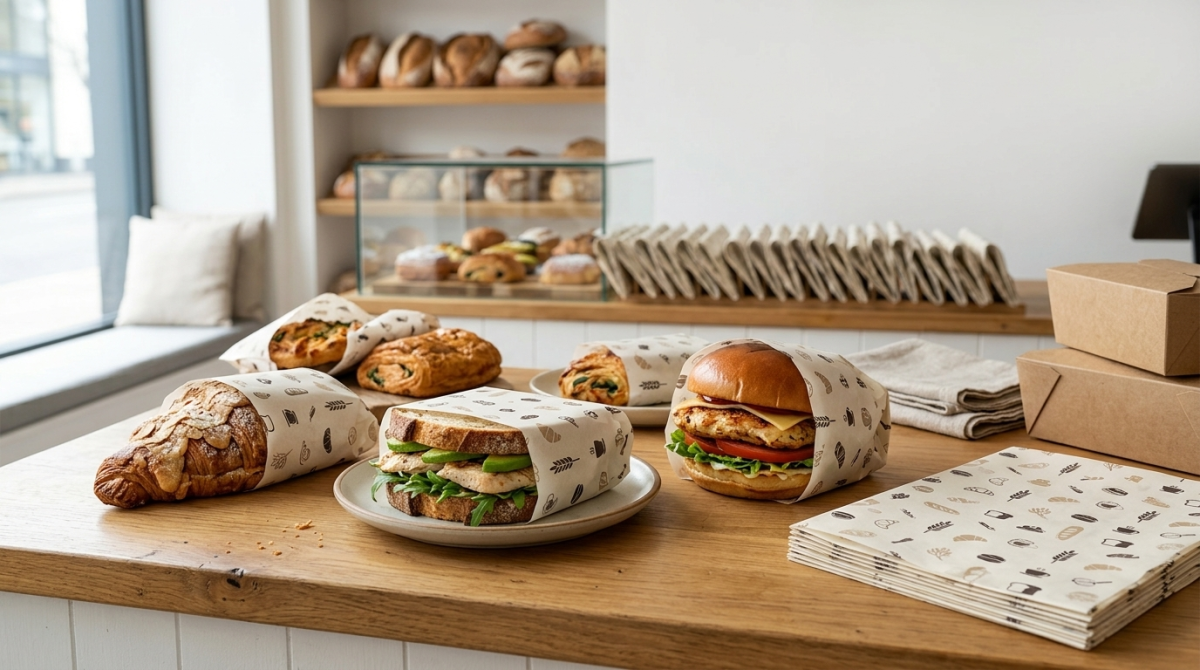
design should be recognizable without becoming overwhelming. A logo placed within a repeating pattern can create a subtle branded effect, while a larger graphic can provide stronger visual impact.
Colours should complement the business's existing identity, and important information should remain easy to read. Some businesses may choose seasonal designs for holidays or special campaigns, while others may prefer one consistent design throughout the year.
The best design also considers how the paper will actually be folded or wrapped. Artwork placement should remain visible after packaging rather than being hidden inside folds.
A Small Packaging Detail With a Larger Impact
Food wrapping may be a relatively small part of a complete packaging system, but it can influence both functionality and presentation. For bakeries and takeaway businesses, the right paper can help manage grease, keep products organized, and create a cleaner customer experience.
When customized with consistent branding, wrapping paper can also become another touchpoint between a business and its customers. From a pastry shop serving individual desserts to a restaurant preparing hundreds of takeaway orders, well-planned food wrapping can bring practical packaging and brand presentation together.
For businesses reviewing their current packaging, the goal does not always need to be a complete redesign. Sometimes, improving one small component—such as the wrapping around the product—can help create a more cohesive and professional experience.
CustomBoxesZone Canada creates premium custom packaging designed to elevate your brand identity. We craft high-quality boxes with precision, offering custom designs, advanced printing, matte, glossy, and aqueous finishes, unique styles, and elegant embellishments. From startups to established businesses, we help create packaging that stands out and leaves a lasting impression. Contact us today!






Comments (0)