

How to Choose the Right Investment Property Mortgage
Compare investment property mortgages and rental property loans to find the best loan for your strategy, budget, and goals.

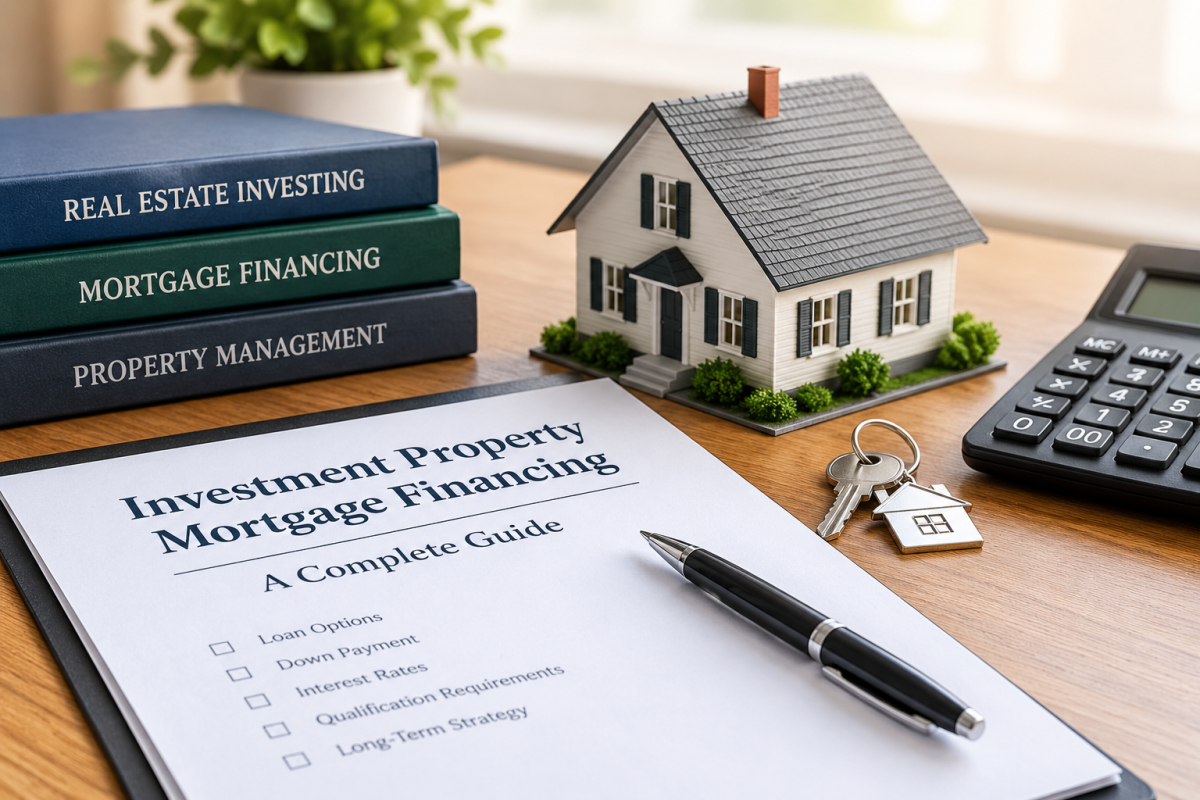
Buying a rental property is one of the most reliable ways to build long-term wealth, but the mortgage behind that property matters just as much as the property itself. Unlike financing a home you plan to live in, investment property mortgages come with different rules, higher costs, and more moving parts. Choosing the wrong loan can quietly eat into your returns for years. Choosing the right one can make your investment strategy far more efficient.
Here's a practical breakdown of what you need to know before you sign.
Why Investment Property Mortgages Are Different
Lenders view rental properties as riskier than primary residences. If a borrower falls on hard times, they're statistically more likely to keep paying the mortgage on their own home before an investment property. To offset that risk, lenders tighten the terms across the board:
- Higher interest rates typically 0.5% to 1% above primary residence rates
- Larger down payments usually 15–25%, compared to as low as 3% for a primary home
- Stricter credit requirements most lenders want a credit score of 680 or higher
- Cash reserve requirements you may need 3–6 months of mortgage payments saved, per property
Understanding this upfront helps you shop smarter and avoid surprises during underwriting.
Types of Loans to Consider
Not all rental property loans work the same way, and picking the right structure depends on your strategy.
Conventional loans are the most common option for buy-and-hold investors with strong income and credit. They offer competitive rates but come with strict documentation requirements, including tax returns and proof of stable income.
DSCR loans (Debt Service Coverage Ratio loans) qualify you based on the property's rental income rather than your personal income. This makes them popular with self-employed investors or those scaling a portfolio quickly, since your debt-to-income ratio isn't the deciding factor the property's cash flow is.
Portfolio loans are held directly by the lender instead of being sold on the secondary market. That gives lenders more flexibility to work with unique situations, like investors with several properties already financed or non-traditional income sources.
Hard money loans are short-term, asset-based loans often used for fix-and-flip projects or properties needing renovation before they qualify for permanent financing. They close fast but carry significantly higher interest rates and shorter terms.
Cash-out refinancing on an existing property lets you tap built-up equity to fund your next purchase a common move for investors reinvesting profits into portfolio growth.
Matching the loan type to your actual strategy long-term hold, quick flip, or portfolio expansion is one of the biggest factors in getting favorable terms.
Down Payment: What to Actually Expect
Because private mortgage insurance (PMI) doesn't apply to investment properties, lenders require a larger down payment to protect themselves instead. Most conventional loans require at least 15–20% down, and some lenders push that to 25% depending on the property type (multi-unit buildings often require more than single-family homes). Lenders like Marques Commercial Capital that specialize in investment property financing can often offer more flexibility on down payment structuring than a general consumer bank.
A larger down payment isn't just a lender requirement it directly affects your loan terms. Put down more, and you'll typically see a lower interest rate and better cash flow from day one. It's worth running the numbers both ways or discussing your options directly with a lender like Marques Commercial Capital before deciding how much to put down versus keeping cash in reserve.
How Lenders Evaluate Your Qualification
Qualifying for an investment property mortgage generally comes down to four things:
- Credit score most lenders set a 620–680 minimum, though the best rates go to borrowers above 740
- Debt-to-income ratio (DTI) lenders typically want your total debt payments, including the new mortgage, to stay under 43–45% of gross income
- Cash reserves proof you can cover several months of payments even if the property sits vacant
- Rental income consideration some lenders will count a portion of projected rental income toward qualification, but this varies widely by loan type and lender
First-time investors should pay close attention to the reserve requirement in particular it's the one that catches people off guard most often, since it applies on top of your down payment and closing costs.
Comparing Rates and Lenders
Rate shopping matters even more on investment properties, since the rate spread between lenders can be wider than it is for primary residences. A few things worth comparing beyond the headline rate:
- Closing costs these can vary significantly between lenders
- Prepayment penalties some investment loans include them, which matters if you plan to refinance or sell within a few years
- Escrow requirements whether taxes and insurance are bundled into your payment
- Rate type fixed rates offer predictability for long-term holds, while adjustable rates might suit investors planning a shorter hold period
Getting quotes from at least three lenders, including at least one that specializes in investment property mortgages specifically (rather than a general consumer lender), often turns up better terms than sticking with a single bank.
Common Mistakes Investors Make
A few missteps show up again and again with first-time rental property buyers:
- Underestimating reserve requirements and getting caught short during underwriting
- Assuming all lenders treat rental income the same way DSCR lenders and conventional lenders calculate this very differently
- Overleveraging across multiple properties without a cash buffer for vacancies or repairs
- Ignoring loan flexibility some investors lock into 30-year fixed loans when a shorter-term or interest-only structure would better match their exit strategy
Avoiding these usually comes down to slowing down during the shopping phase rather than taking the first offer that comes in.
Final Thoughts
There's no single "best" mortgage for every investor the right choice depends on your credit profile, how much capital you have available, and whether you're buying to hold, renovate, or scale a portfolio quickly. What matters most is understanding the full landscape of rental property loans available to you, comparing more than just the interest rate, and choosing a structure that fits your actual investment strategy rather than whatever loan is easiest to get approved for.
Taking the time to compare loan types and lenders upfront can save thousands of dollars over the life of the loan and set your investment property up for stronger returns from the very first payment.









Comments (0)